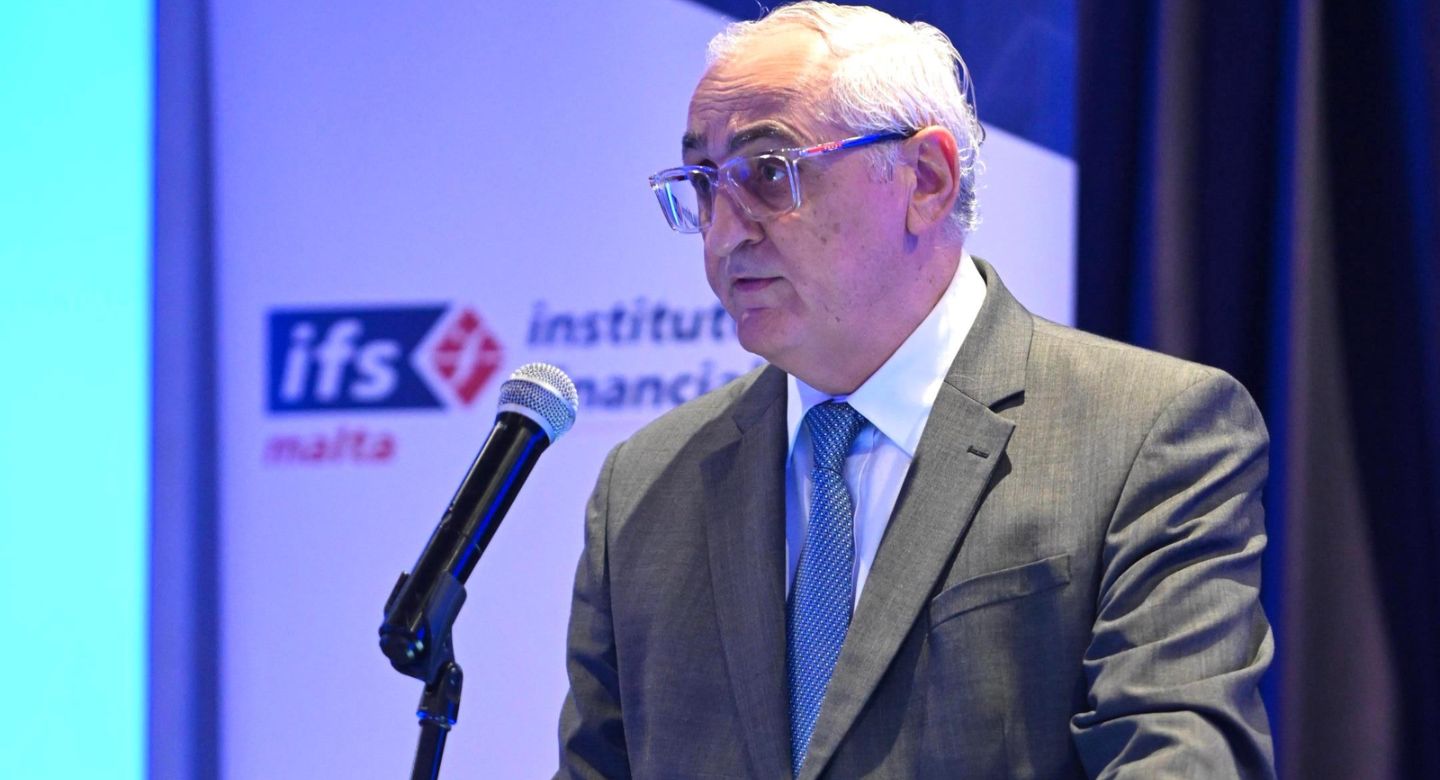

Malta needs to rely less on adding workers and more on raising productivity to sustain economic growth, Central Bank Governor Alexander Demarco has warned, questioning whether the way the country spends, lends and builds is helping it make that shift.
Speaking at the Institute of Financial Services Malta’s annual dinner on Friday, Demarco said migration had helped Malta meet demand for workers as investment and employment grew. A tight labour market and the island’s limited space now constrain how far that approach can carry the economy.
Growth averaged 4.4% in the first half of 2026. Demarco said much of the growth over the past four years came from exports, particularly tourism, gaming, IT and professional services, after accounting for the import content of domestic and foreign demand.
But bank lending remains heavily geared towards property. Mortgages and loans to construction, real estate and accommodation account for almost three-quarters of lending to residents. Credit to those categories continues to grow at double-digit rates, which Demarco warned could squeeze financing for businesses seeking to invest and raise productivity.
He also cautioned against loosening borrowing rules further if more households start hitting lending limits. The government, he said, should assess whether measures intended to make housing more affordable are pushing up prices and encouraging buyers to take on more debt.
With public spending estimated at almost €10 billion this year, Demarco called on public bodies to curb spending and recruitment and assess what taxpayers get for their money, particularly in education and infrastructure.
He said energy subsidies should stay in place for now, while urging the government to target them better and plan a gradual exit, particularly for electricity. Keeping subsidies open-ended, he warned, could force the government to put off investments that would make Malta less vulnerable to future energy shocks.
Sign up to our newsletter Stay in the know
"*" indicates required fields
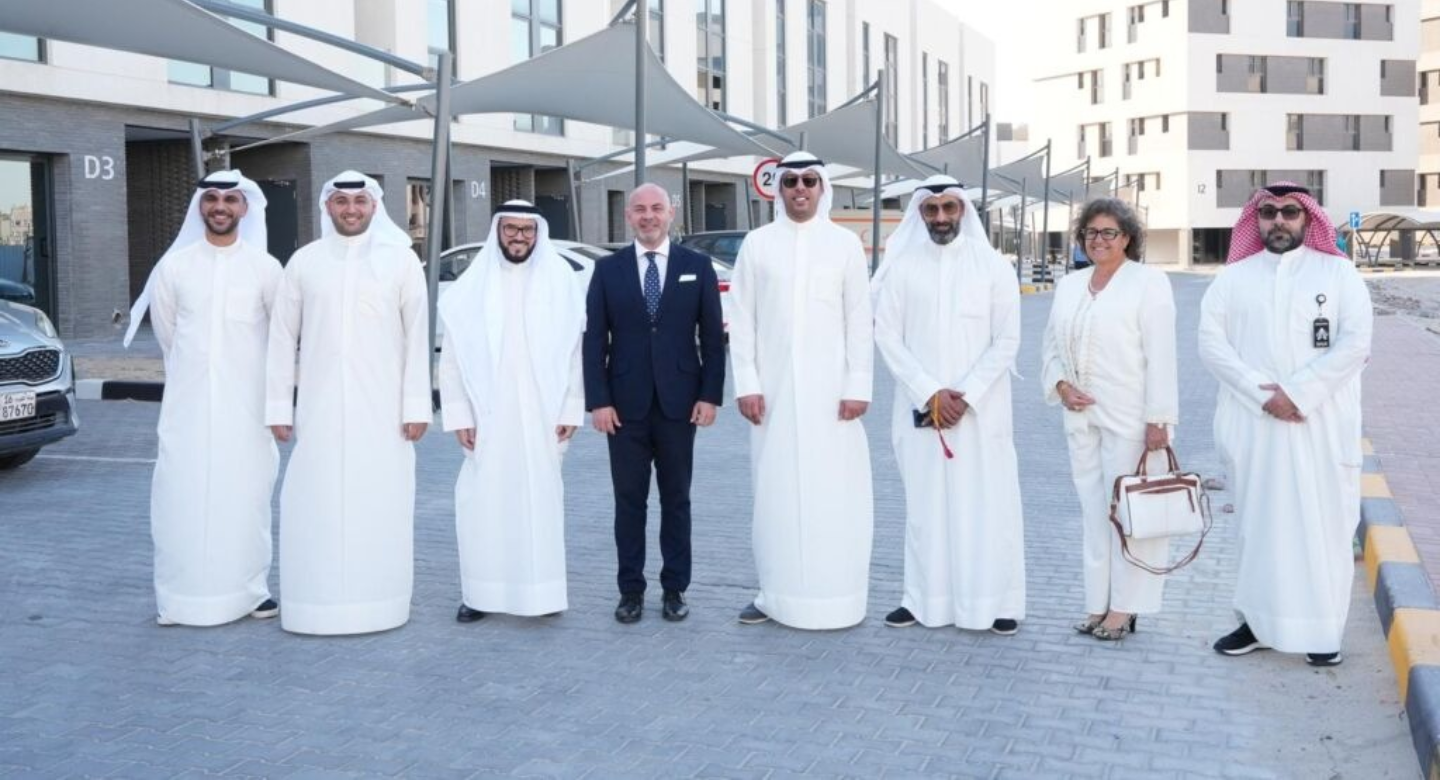
Bonnici denies personal motive behind Kuwait visit, insists trip was official

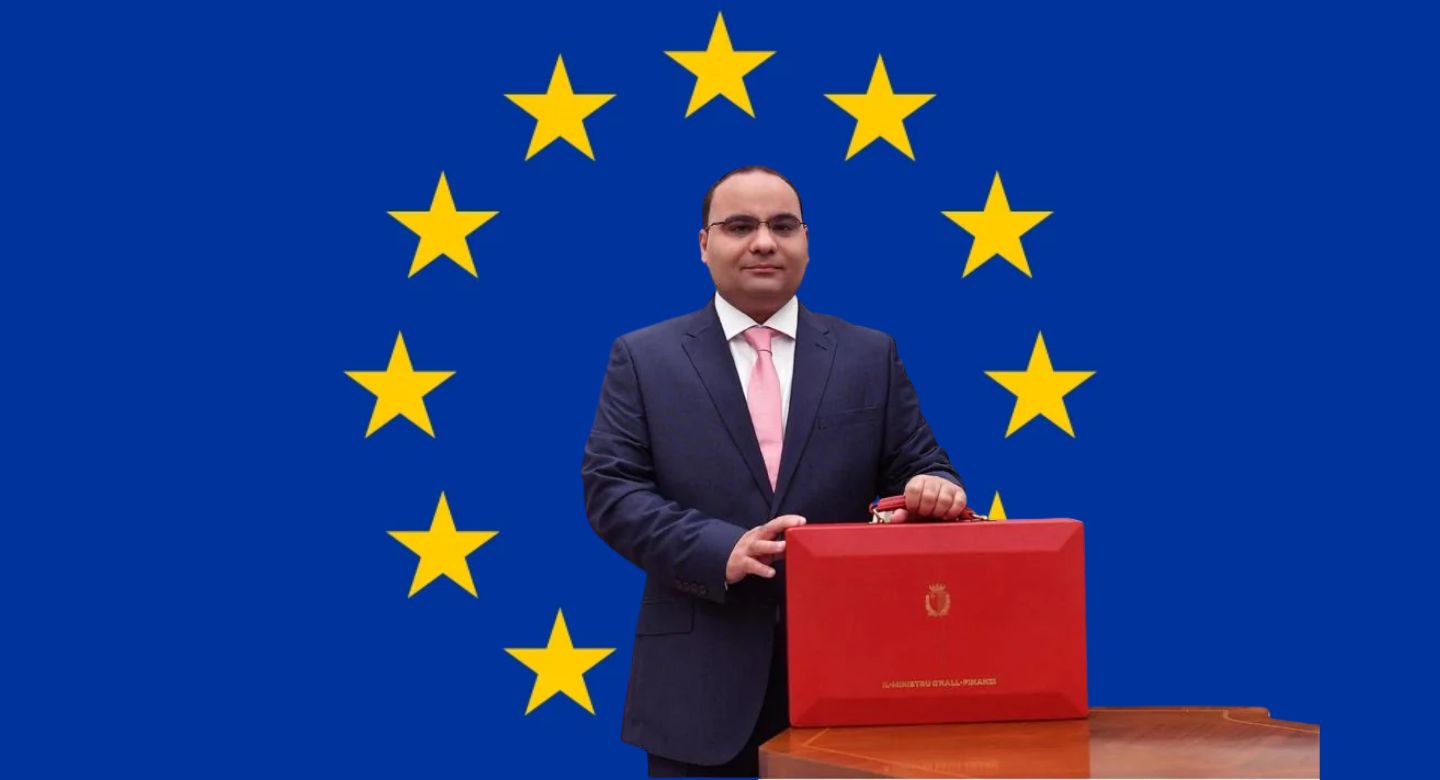
Brussels challenges Clyde Caruana’s deficit and debt figures

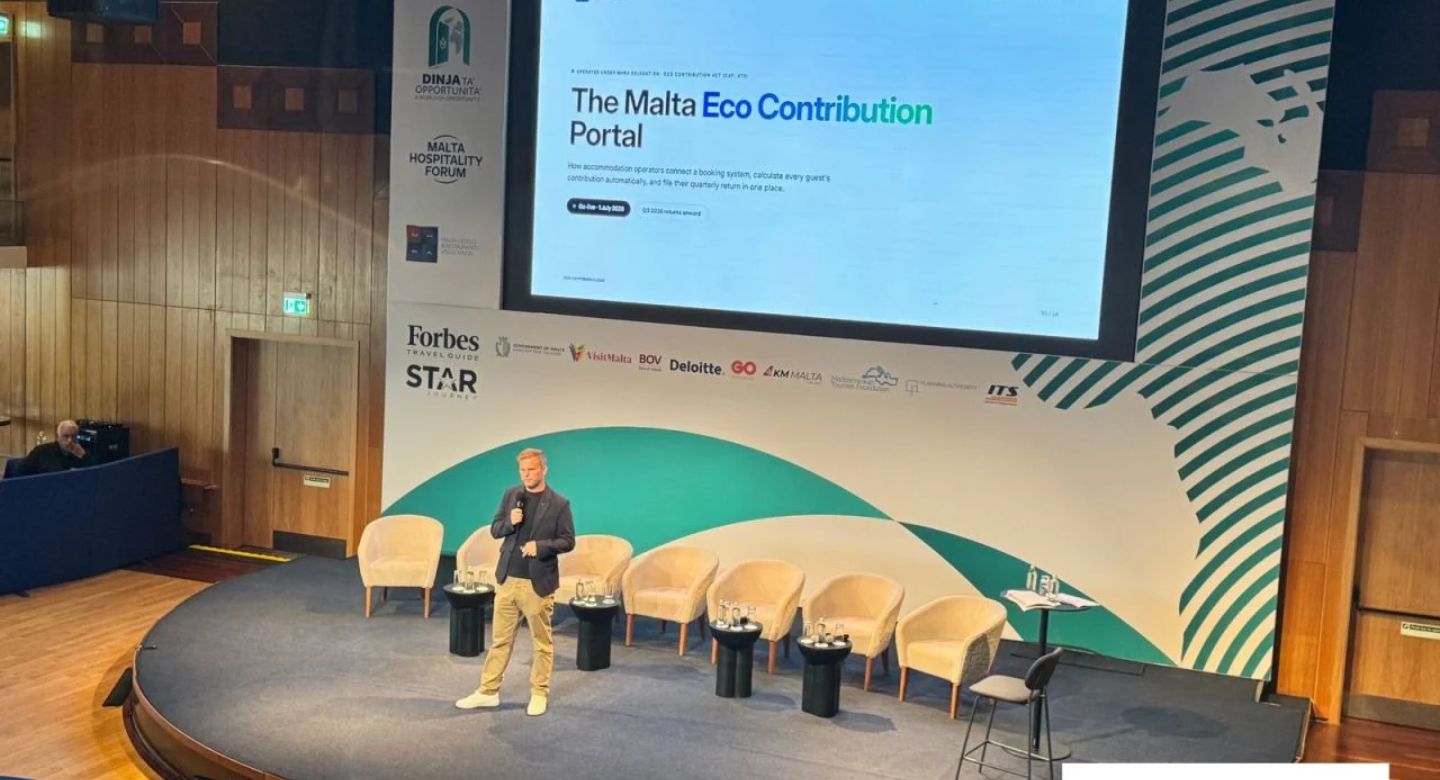
MHRA’s eco-tax contractor linked to £594,521 UK collapse
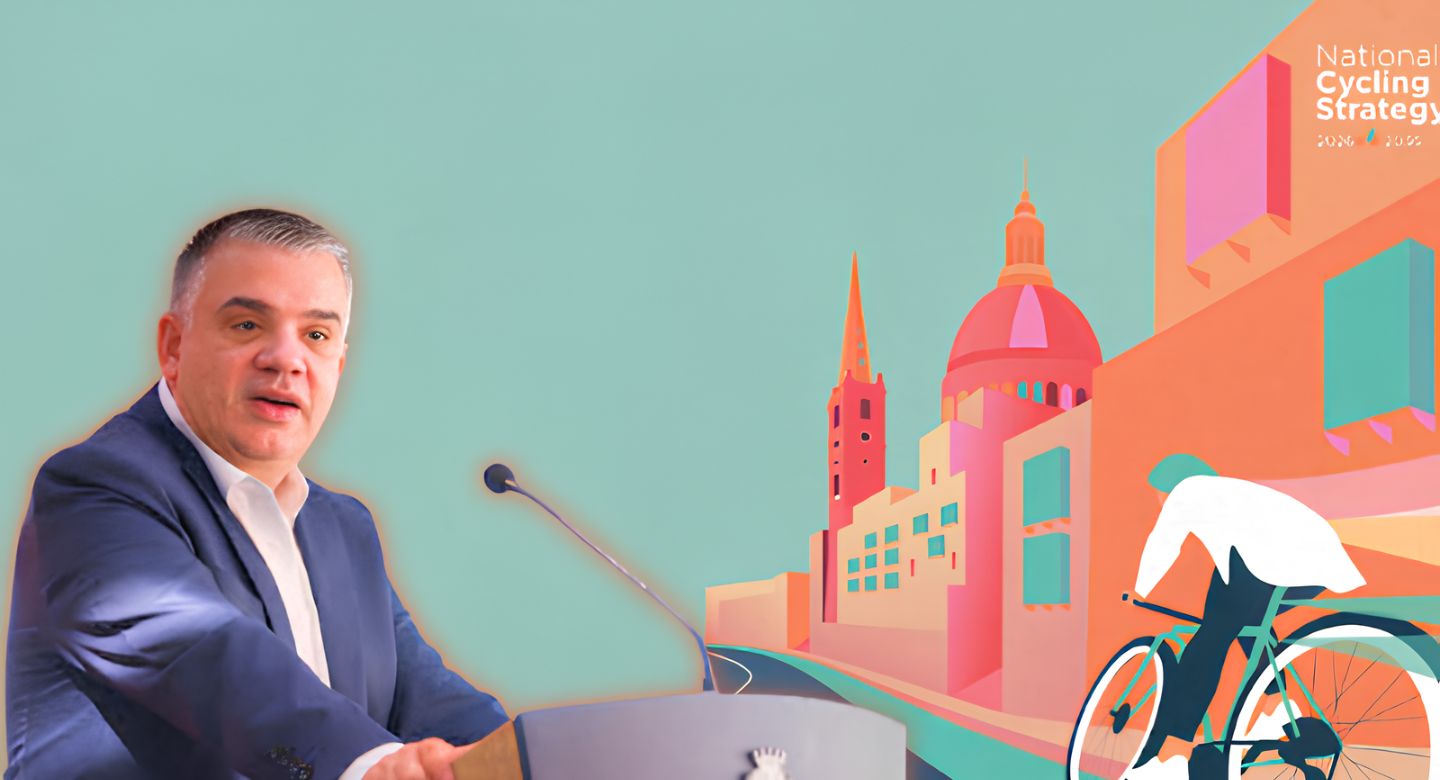
Rota not impressed by Bonett’s cycling strategy
Tags
#Central Bank
#Economy
#Sandro DeMarco
Other News
Bonnici denies personal motive behind Kuwait visit, insists trip was official
Brussels challenges Clyde Caruana’s deficit and debt figures
MHRA’s eco-tax contractor linked to £594,521 UK collapse
Rota not impressed by Bonett’s cycling strategy

Received a tax bill? It pays to challenge it…
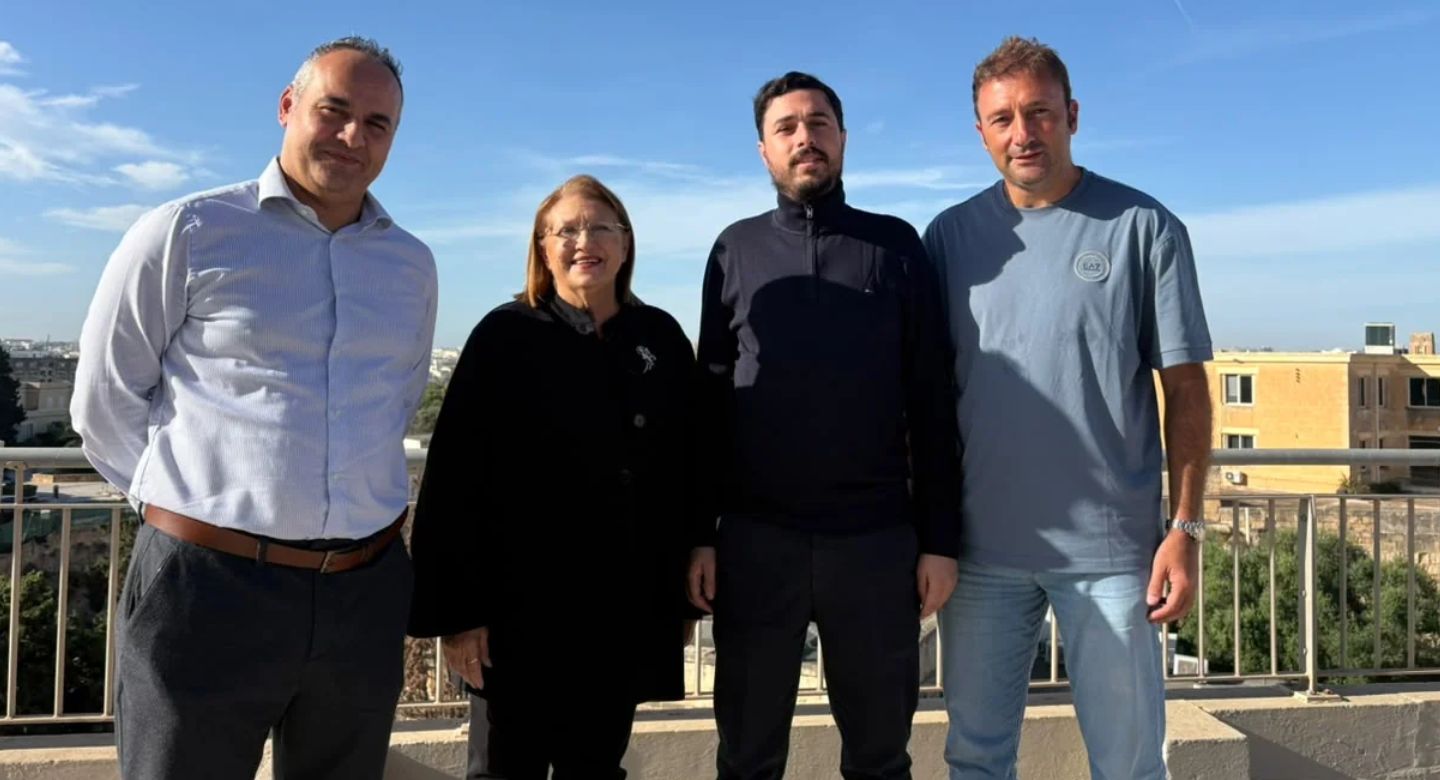
Former President gives disputed Gżira padel courts a publicity boost for charity

Keith Schembri gets green light for new BOV account

Budget TCN measures to increase Malta’s cost of living – EU warns
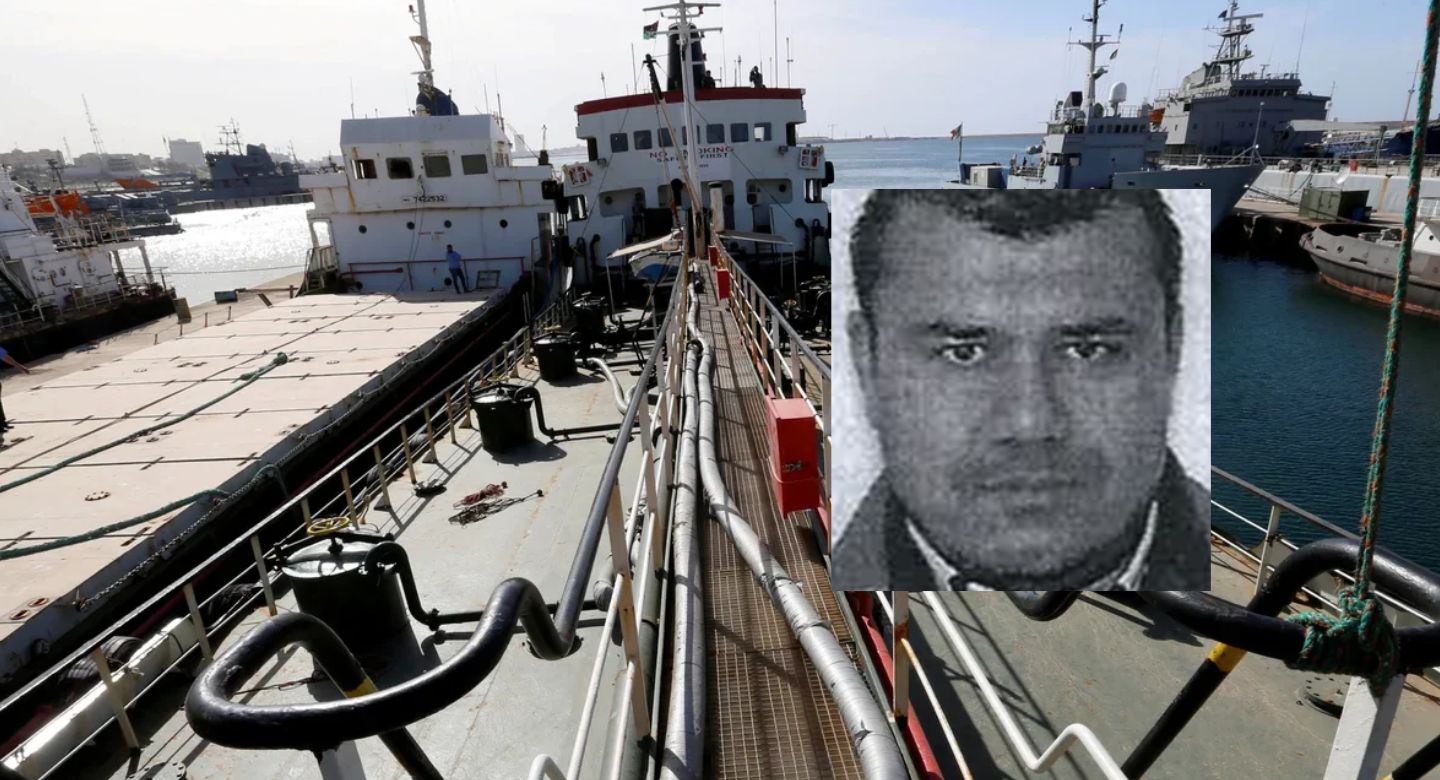
Spanish fuel fraud suspect Rodrick Grech was sanctioned by US over Libyan fuel smuggling
PN demands publication of secret MHRA eco-tax deal
Townsquare’s €103.5 million price tag revealed as Stivala launches bond offer