

Higher work permit fees for third-country nationals, introduced by Labour, are expected to feed through to consumer prices in Malta next year, according to the European Commission’s latest economic forecast.
The Commission expects employers to pass on part of the higher cost to customers in 2027. It also expects the fees to slow the recruitment of foreign workers, on whom Malta still relies heavily to fill vacancies and sustain employment growth.
Inflation is forecast to rise from 2.5% this year to 3% in 2027. Average nominal pay per employee is projected to grow at the same rate next year, leaving average pay broadly flat in purchasing-power terms.
Higher international fuel prices are also feeding into the cost of transport, food and other services. Government subsidies have kept domestic energy prices steady, cushioning households and businesses from the direct impact of higher fuel prices abroad.
The Commission expects employment to grow by 4.2% this year, up from 3.9% in 2025, with foreign workers continuing to drive much of that increase. Growth is forecast to slow to 3.2% in both 2027 and 2028. Unemployment is projected to remain at 3.1%, with vacancies still high.
The higher permit fees also feature in Brussels’ assessment of Malta’s public finances.
Together with higher tourism taxes, they are expected to bring in additional revenue and help offset rising government expenditure, including the new €1,000 annual payment to eligible workers. The deficit is forecast to remain at 2.8% of GDP next year.
The Commission expects Malta’s economy to grow by 3.5% in 2027, down from 3.9% this year, as labour migration moderates and some fast-growing service industries mature. How much of the permit fee increase reaches consumers will depend on how much employers absorb. The forecast gives no estimate of the price impact by sector or of the share businesses will pass on.
Sign up to our newsletter Stay in the know
"*" indicates required fields
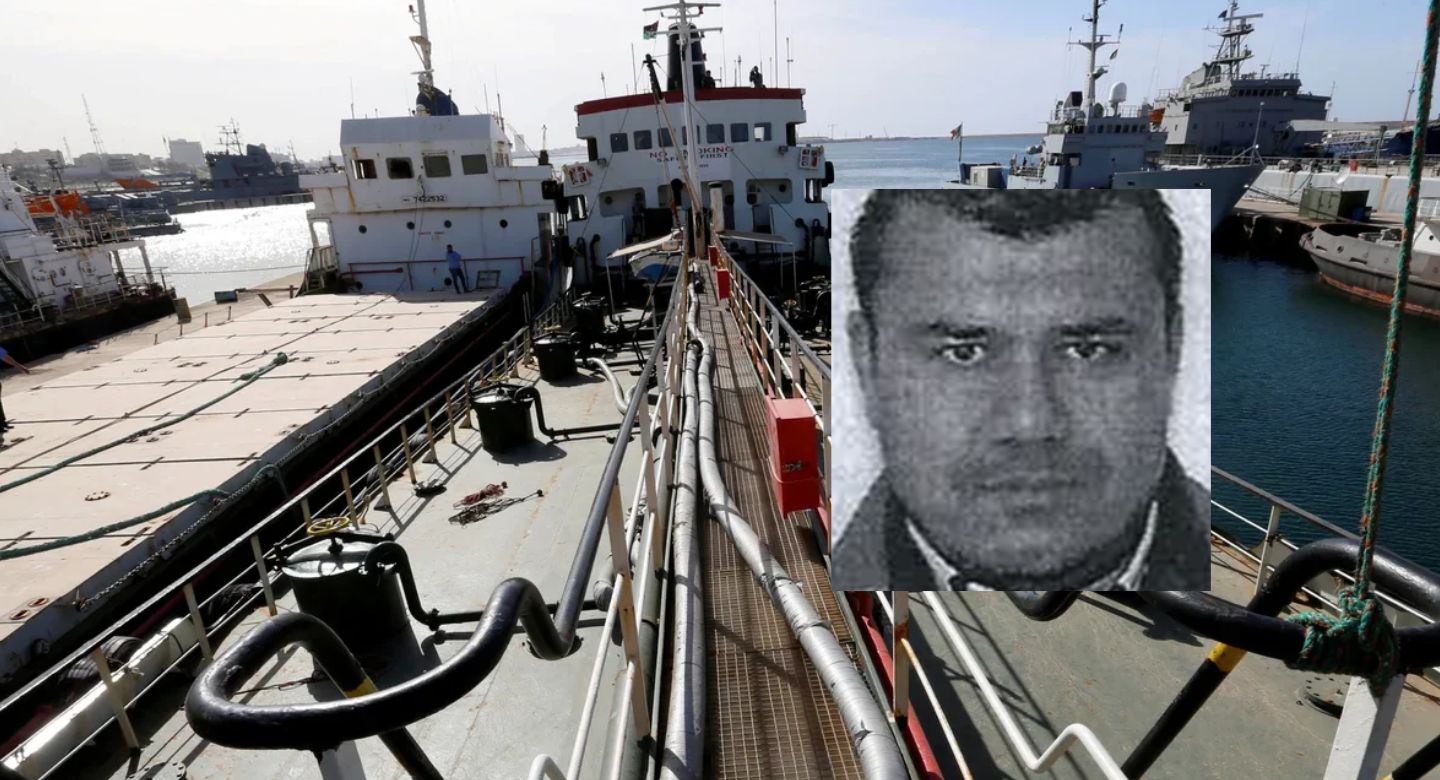
Spanish fuel fraud suspect Rodrick Grech was sanctioned by US over Libyan fuel smuggling


PN demands publication of secret MHRA eco-tax deal
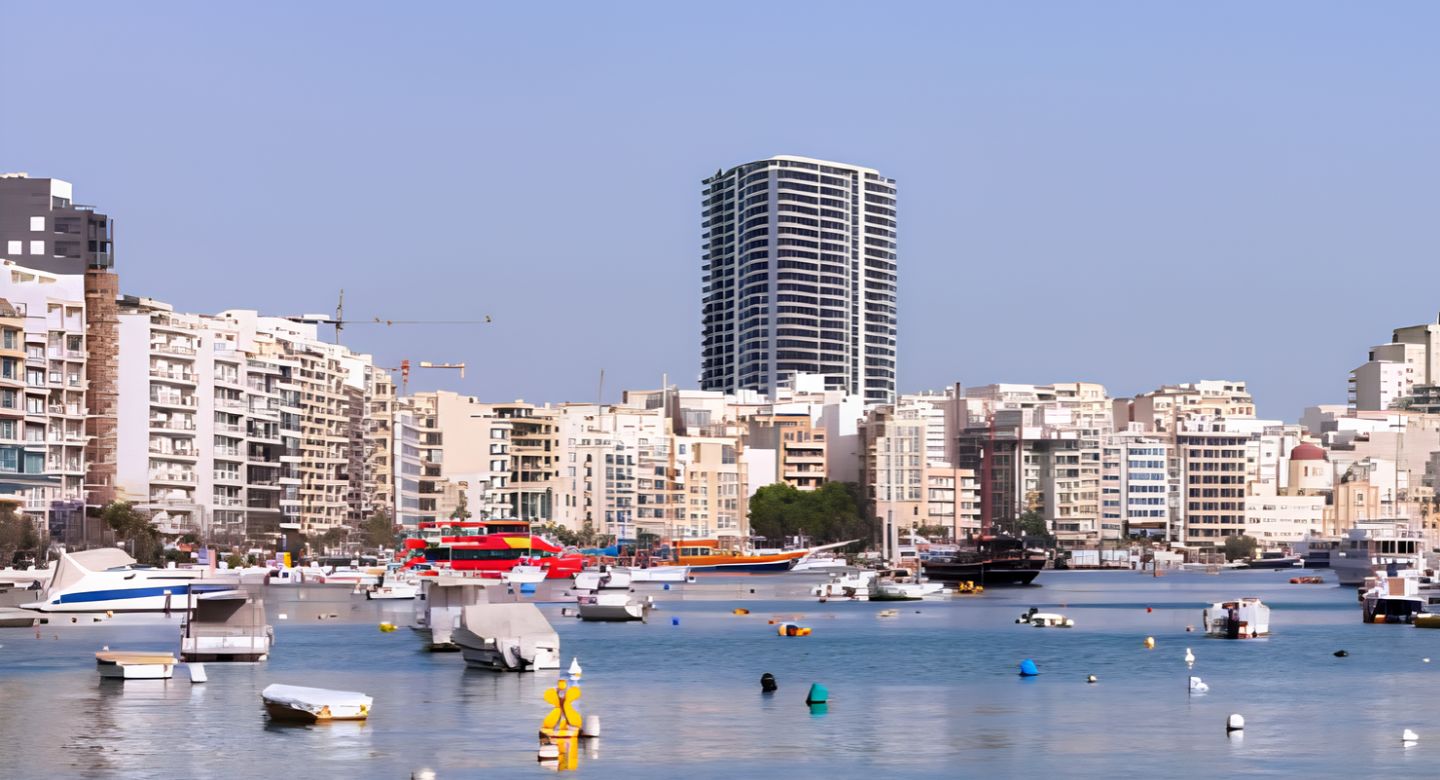
Townsquare’s €103.5 million price tag revealed as Stivala launches bond offer

Arts Ministry in limbo five months after Agius Galea took office
Tags
#Economy
#Inflation
#TCNs
Other News
Spanish fuel fraud suspect Rodrick Grech was sanctioned by US over Libyan fuel smuggling
PN demands publication of secret MHRA eco-tax deal
Townsquare’s €103.5 million price tag revealed as Stivala launches bond offer
Arts Ministry in limbo five months after Agius Galea took office

Bonnet and Kurt Farrugia break recruitment record at Transport Malta

Nearly 335,000 income tax returns still outstanding, some dating back to 1999
Clyde Caruana accused of giving wrong information to Parliament

TCN children drive growth in free childcare as Caruana moves to restrict access

OPM orchestrates Abela milestone publicity in dig at Muscat

PL Pembroke mayor given two government jobs in two different ministries

Water and health risks cited in appeal to stop Siġġiewi crematorium
