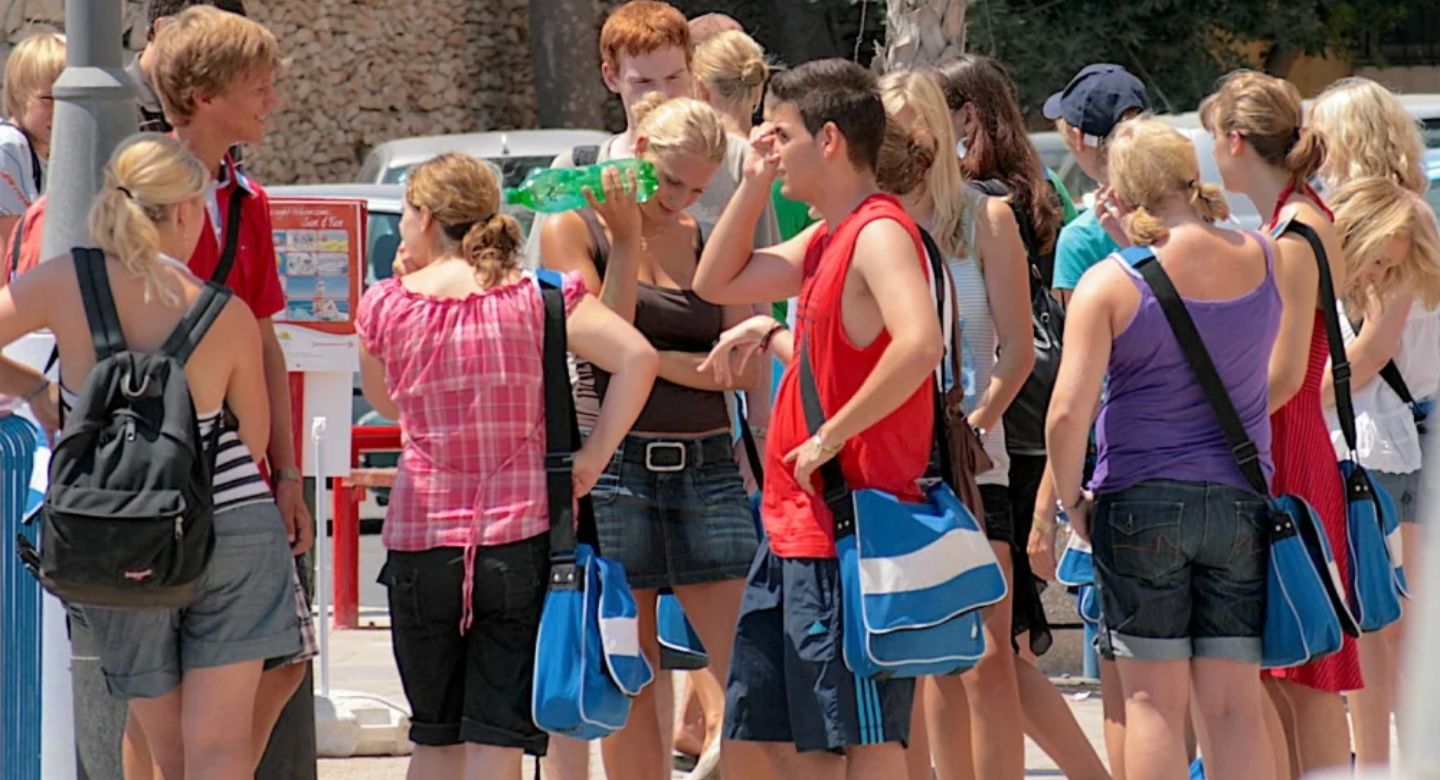

Malta’s tourism industry is showing signs of weakening growth in expenditure despite attracting more visitors, raising fresh questions about the government’s reliance on mass tourism to drive economic growth.
The Central Bank of Malta’s latest economic update shows that growth in tourism expenditure slowed sharply in September, dropping to 4.6% from 14.9% in August.
Despite a relatively strong increase in tourist arrivals, visitors spent less per capita than during the corresponding month last year, while their average stay on the island also became shorter.
The increase in overall tourism expenditure was sustained by higher arrivals and an increase in expenditure per night, which compensated for the decline in spending per visitor.
The latest figures raise questions about the effectiveness of the government’s stated objective of attracting higher-quality tourism rather than simply increasing visitor numbers.
While the government regularly celebrates successive records in tourist arrivals, the industry’s continued expansion is placing additional pressure on Malta’s already overstretched infrastructure, including its roads, waste management systems and public spaces.
The rapid proliferation of hotels and other tourist accommodation has also raised concerns about oversupply and the industry’s long-term sustainability.
The Central Bank’s findings come as its governor, Alexander Demarco, has called for a rethink of Malta’s economic model, amid growing concerns over the consequences of an economic strategy heavily reliant on increasing population and consumption.
The bank’s November economic update also indicates that lending to businesses operating in the accommodation and food services sector continued to increase in September compared with the previous year.
While the latest tourism figures do not indicate a contraction in overall expenditure, they suggest that attracting more visitors does not necessarily translate into proportionately higher economic returns.
For an increasingly congested country with limited resources, the challenge remains whether Malta can generate greater economic value from tourism without accommodating ever-increasing numbers of visitors.
Sign up to our newsletter Stay in the know
"*" indicates required fields

Court slams latest PA ‘mistake’ in Birżebbuġa flats permit

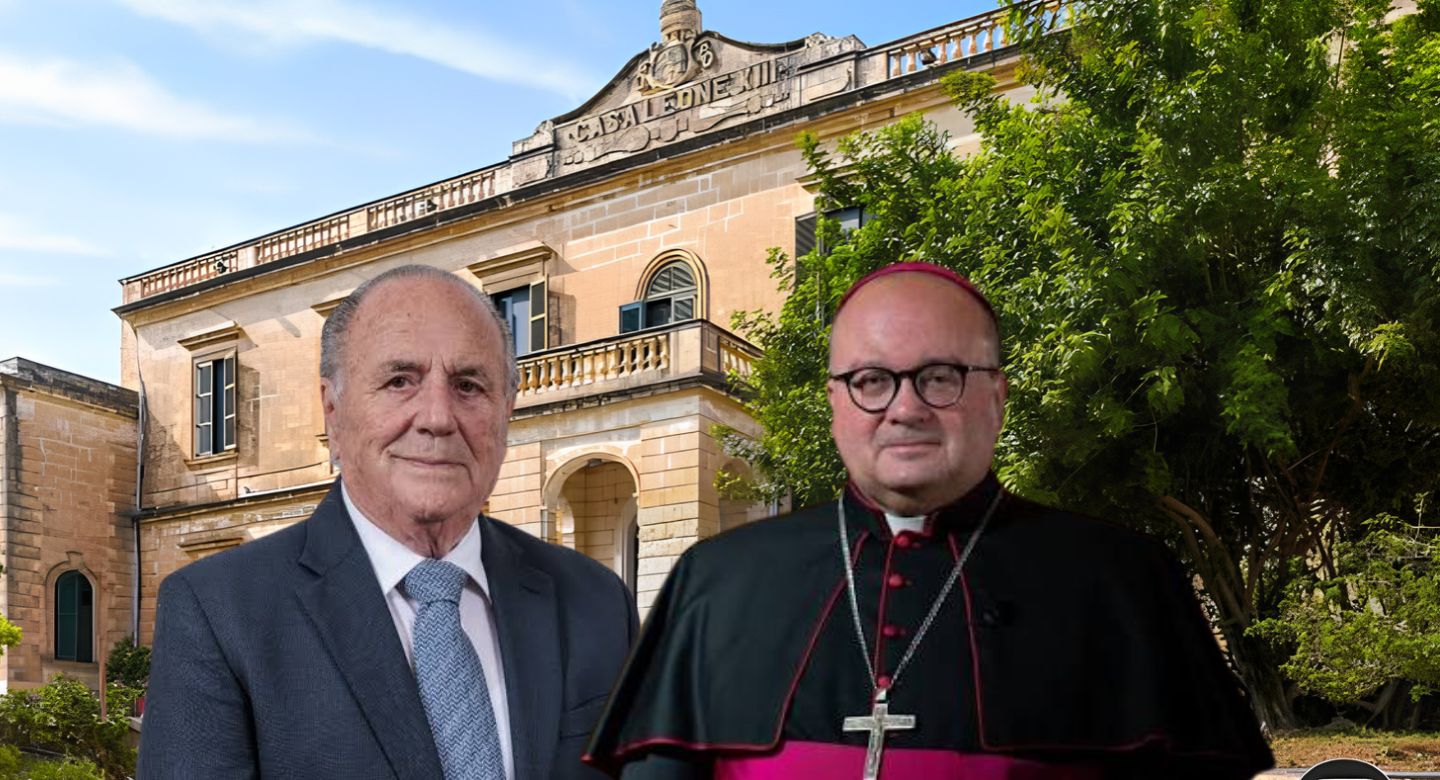
Scicluna’s Curia bypassed competitive process in 50-year Corinthia property deal

Qormi council tender named contractor who had never submitted a bid

PBS CEO claims no impartiality breaches despite documented Labour campaigning
Tags
#Central Bank
#Tourism
Other News
Court slams latest PA ‘mistake’ in Birżebbuġa flats permit
Scicluna’s Curia bypassed competitive process in 50-year Corinthia property deal
Qormi council tender named contractor who had never submitted a bid
PBS CEO claims no impartiality breaches despite documented Labour campaigning

Caruana hides behind secret talks as questions mount over KM Malta

Government deficit nearly doubles as spending continues to spiral

Former MPs enjoy taxpayer-funded phone bills, internet and ferry tickets on top of extra pension

PA gives green light to largest block in Nigret’s 240-home mega-development

MFSA picks up €400,000 bill for Joe Cuschieri’s misconduct

MHRA attacks new tourism charges but keeps its own tax deal secret
WATCH – ‘Jungle’ in Isla: Residents expose widespread abuse of public promenade