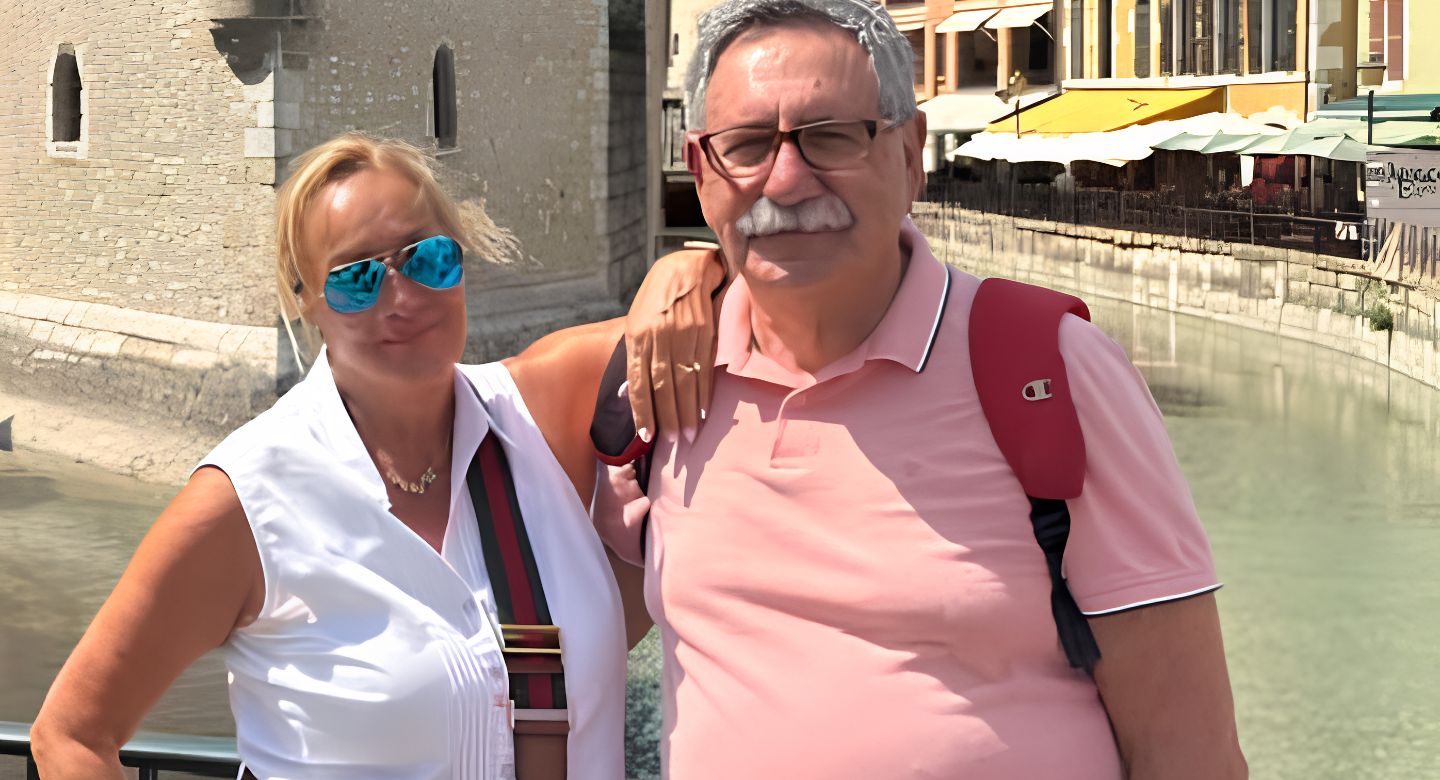
Joseph Muscat has inspected the wreckage and identified the problem. The blame? Other people.
The prosecutors, principally. They missed a “slam dunk” against Yorgen Fenech, he tells Reuters’ Stephen Grey in a podcast. How reassuring to have Muscat available to explain where everyone else went wrong.
He was the prime minister. Keith Schembri was his chief of staff. Or was it the other way round?
Anyway, these are substantial details to mislay while reinventing yourself as a disappointed spectator.
Clearly, there is room under Muscat’s bus for everyone, including Fenech. Especially Fenech. The implication of that snide remark about the prosecution could hardly be clearer, acquittal notwithstanding. Conveniently, Muscat gets to point elsewhere while keeping himself out of the picture.
You can question the prosecution’s performance and recognise Muscat’s craven diversionary tactics at the same time. Holding two thoughts in the same head does not require planning permission, unless you think King Corrupto is a misunderstood national treasure.
It’s like continuing to believe that notwithstanding the acquittal, given the evidence everyone read, Fenech’s guilt remains a valid opinion to hold, even if his dearly beloved lawyers bluster and fulminate to the contrary.
Or not excluding Fenech’s culpability while at the same time wondering with whom it was that he was in cahoots. For instance, one K. Schembri, whose failure to pass on what he knew to the police
Muscat explains this by referencing Kasco’s “human bond” with Fenech. How tender. Questions about information withheld in a murder investigation, answered in the language of a retirement tribute.
Friendship does not, however, answer questions about public duty. Nor does Muscat’s claim that he was kept in the dark entitle him to applause.
If that is his account, what does it say about his judgment and the government he ran? But his grubbiest manoeuvre came when murdered journalist Daphne Caruana Galizia’s family entered the conversation.
Asked about the failure to deliver justice, Muscat invoked other victims’ families and the transparency they never received. The usual ‘whataboutism’ that afflicts public discourse among the scum commentariat.
Of course those families deserve answers. Every one of them. Nobody needs a lesson in that from Muscat. What they do not deserve is to be recruited as scenery for his escape route.
The insinuation practically writes itself: Daphne’s family received attention that others did not. As though fighting publicly for answers about your mother’s assassination were a privilege. As though years demanding that institutions do their jobs amounted to jumping a queue.
What should they be grateful for? The opportunity to keep asking?
Other families’ suffering enlarges the indictment of the State. It does not reduce Muscat’s responsibility to answer questions. You cannot dilute one family’s suffering with another’s and call the mixture accountability.
Then comes the gall about exposure supposedly disproving a culture of silence. Information can emerge because journalists persist, relatives refuse to disappear, and people keep asking questions long after the powerful have decided they are tiresome.
A door eventually being forced open does not prove that nobody was leaning against it.
Muscat would have us admire what eventually emerged while overlooking what it took to get it out. An appealing proposition for someone who occupied the most powerful office in the country.
He even invokes the pending appeal when declining to explain his view of who ultimately killed Daphne. Apparently, the appeal permits a swipe at prosecutors but obstructs further explanation.
Such delicate restraint. Such convenient timing.
The prosecutors can go under the bus. Fenech can go under the bus. Schembri gets the sentimental explanation. Other murdered people can be summoned to make Daphne’s family look demanding.
And Kink Jowzef can stand at the bus stop explaining how badly everyone drives.
He has an explanation for everyone’s conduct except his own. That, apparently, is for the rest of us to stop discussing. Preferably before the next question arrives.
The bus, however, is his to drive.
Well, he would say that, wouldn’t he? It’s no wonder he only has people like Neville Gafa ’still standing up for him.


Sign up to our newsletter Stay in the know
"*" indicates required fields

€9 million splashed on government boards as wives also benefit irregularly


The danger of a leader who brands his opponents traitors


Indian students up 35%, Chinese 29%, Maltese down 2.2% in a year

Retired judge handed €72,000 salary and chauffeur to monitor government advertising
Tags
#accountability
#Daphne Caruana Galizia
#Joseph Muscat
#Keith Schembri
#murder
#podcast
#Stephen Gray Reuters
Other News
€9 million splashed on government boards as wives also benefit irregularly
The danger of a leader who brands his opponents traitors
Indian students up 35%, Chinese 29%, Maltese down 2.2% in a year
Retired judge handed €72,000 salary and chauffeur to monitor government advertising
€1 billion in government tenders challenged in 2025

Wasteserv, Dalli in reverse mode

Court cuts short PBS attempt to slow down PN case over bias

Unemployed ‘loan shark’ has nearly €700,000, 15 vehicles and 19 properties frozen

Labour discovers manners

Bonnici Group consortium challenges multi-million battery contract after controversial cancellation

Malta’s deficit narrows to 2.1% of GDP, but debt climbs to €11.4bn