
As European governments brace for a slow-burning energy crisis throughout 2026, Malta’s government is busy masking its vulnerabilities ahead of the elections by issuing a tender for a third interconnector, even though the second one promised is delayed.
On Monday, the energy ministry, led by Minister Miriam Dalli, issued a statement confirming that Interconnect Malta, the government-owned company responsible for delivering major energy infrastructure projects, published a tender worth €1.5 million for “the project’s basic engineering”.
The statement does not mention that the second interconnector promised by the government in 2022 is still years away from materialising, instead emphasising the third interconnector’s new technology and higher-voltage power.
“Similar to the first and second interconnectors, this new interconnection will operate in a bi-directional mode. However, it will be connected at a higher voltage of 380kV, compared to the 220kV of IC1 and IC2,” according tp the statement.
At the end of last month, The Shift reported that Dalli’s public messaging became increasingly focused on the need for a third interconnector, a tactic which conveniently draws attention away from uncompleted projects by focusing on new ones. Dalli is being heavily criticised for the lack of completion of projects in both the energy and environmental fields – massive expenditure, little substance on delivery.
The minister framed the new tender as a step towards increasing Malta’s ability to import electricity from renewable sources, reducing greenhouse gas emissions, and allowing large-scale offshore renewable projects to be connected to Malta’s grid without creating supply instability.
In reality, Italy produces just 20% of its energy from renewables, and is heavily dependent on LNG and other fossil fuels.
Meanwhile, Malta’s offshore wind farm plans remain theoretical, having last been mentioned three weeks ago, when Interconnect Malta issued a preliminary data-collection tender to assess a potential site.
More broadly, the energy crisis caused by the ongoing US-Israeli war of aggression against Iran means that Malta’s options for importing energy generated overseas will become increasingly limited as other countries, including Italy, compete for dwindling supplies.
Besides concerns related to the government’s abysmal track record when it comes to delivering major infrastructural projects in a timely and budget-conscious manner, the volatility of the global energy market further exposes the lack of autonomy in Malta’s energy infrastructure – as evidenced by the sudden, pre-electoral rush to issue a tender for a new interconnector.
While multiple interconnectors would certainly improve the stability of Malta’s electricity supply, the lack of patient, sustained investment in renewables over the years means Malta will need to depend on a fossil-fuel market subject to severe shortages.
Estimates compiled in a recent report published by Bloomberg suggest that there will be dire shortages if the war in the Middle East drags beyond the end of this summer.

If a resolution to the US-Israeli war against Iran is reached by June, global oil inventories would plummet to around 7.6 billion barrels, causing significant operational stress on the infrastructure that processes, refines, and distributes oil.
If the standoff between the US and Iran stretches to September and beyond, global oil inventories would fall further down to 6.8 billion barrels, which is dangerously close to the threshold that would lead to infrastructural shutdown across the globe.
Sign up to our newsletter Stay in the know
"*" indicates required fields

Kurt Farrugia ‘forgot’ to publish direct orders


Malta increases its dependency on imported electricity as population surges


Turkish bank fails to lift €25 million security tied to Shoreline’s dispute
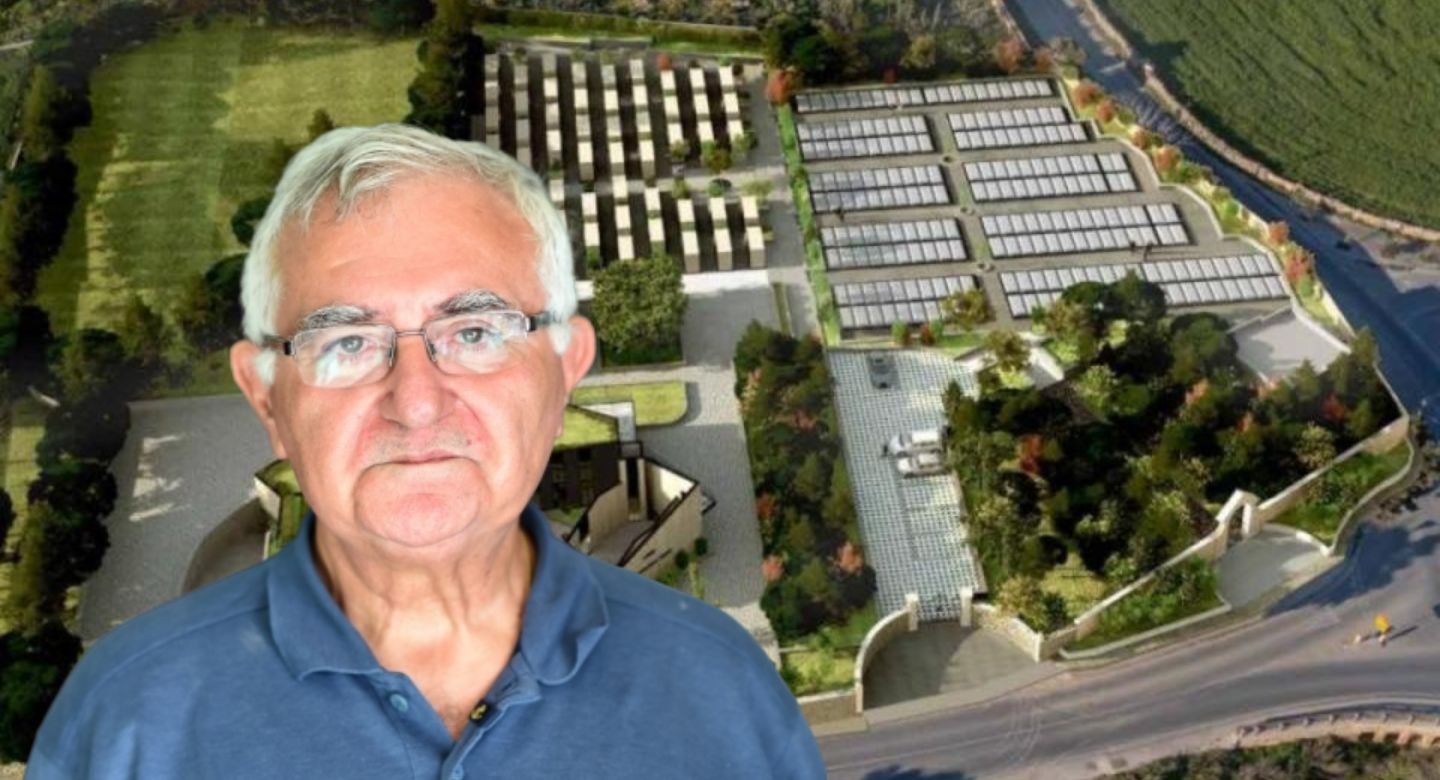
Controversial crematorium is in John Dalli’s ‘back garden’ – ERA missing in action
Tags
#2026 elections
#Energy Crisis
#European Union
#InterConnect Malta
#Iran
#Israel
#Italy
#Malta
#Middle East
#Miriam Dalli
#sicily
#United States
Other News
Kurt Farrugia ‘forgot’ to publish direct orders
Malta increases its dependency on imported electricity as population surges
Turkish bank fails to lift €25 million security tied to Shoreline’s dispute
Controversial crematorium is in John Dalli’s ‘back garden’ – ERA missing in action

Doctors demand halt to health centre testing before further talks

Malta last in EU Parliament attendance rankings
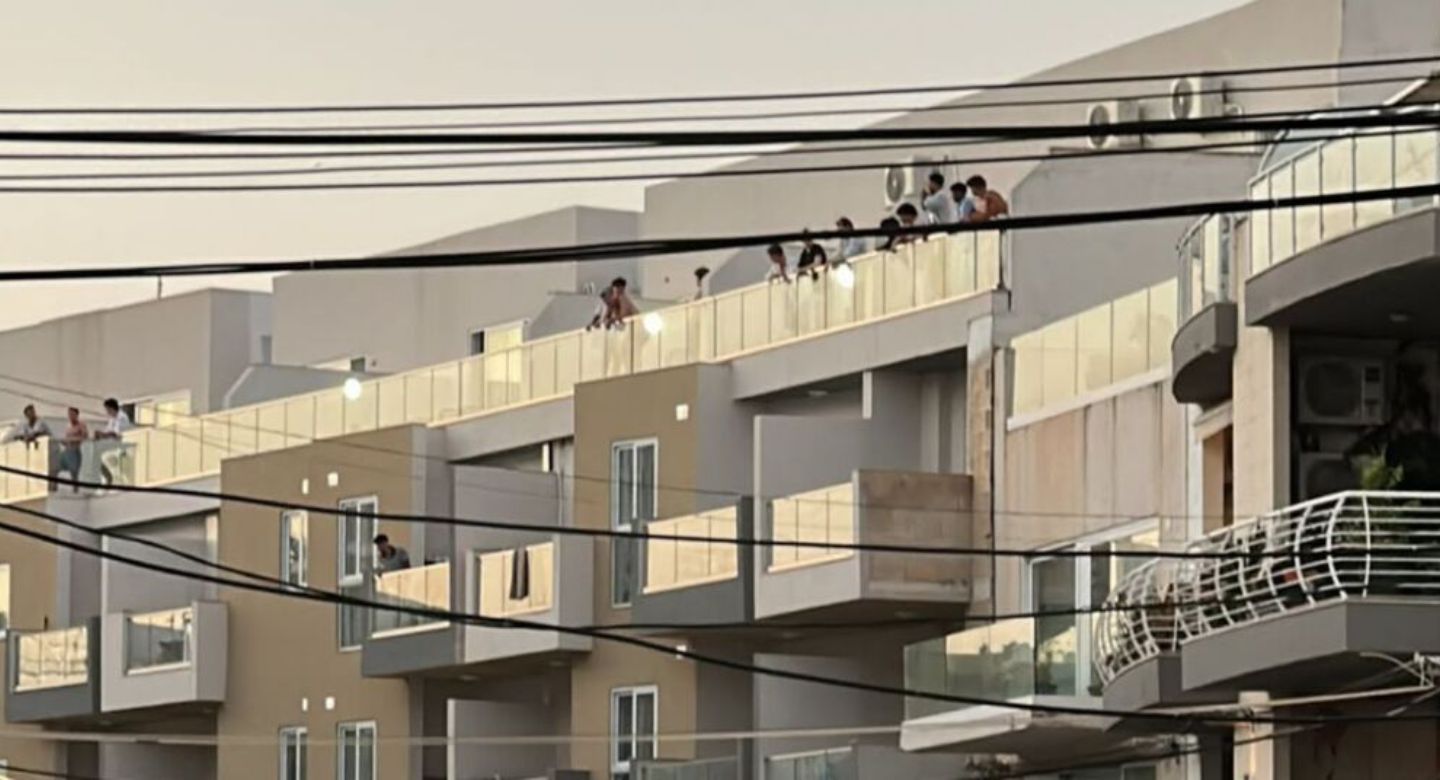
One in four licensed short lets concentrated in St Paul’s Bay and Sliema

Bonnici hails progress at housing project caught in crisis that sank Galdes

Employers slam Clyde Caruana’s cheap talk
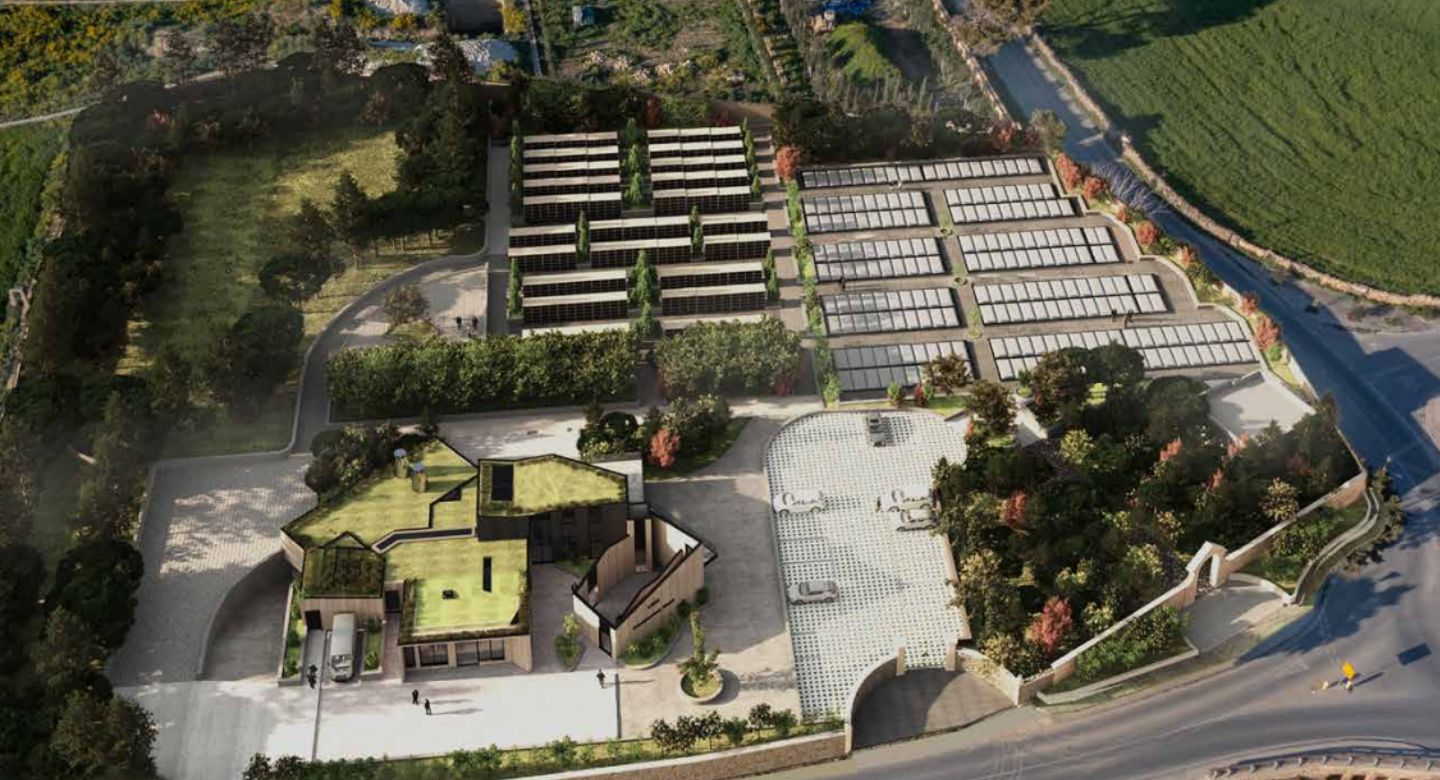
PA’s handling of rival crematorium applications raises a stink
Super CEO’s wife seconded to Mater Dei top job
