Both the Prime Minister and the Energy Minister are yet to comment on the potential consequences of a massive attack on one of Qatar’s main gas production hubs, which led to the cancellation of export contracts with Italy after the Iranian military wiped out an estimated 17% of the country’s LNG export capacity.
While Malta itself does not import LNG directly from Qatar, Italy, which supplies Malta through the interconnector, is dependent on Qatar, which provided roughly 45% of Italy’s imports in 2024. Maltese experts have raised concerns about Malta’s energy supply security.
On Friday, Reuters reported that QatarEnergy’s CEO, Saad al-Kaabi, said the state-owned company was forced to declare force majeure on export contracts for Italy, Belgium, South Korea, and China.
The damages caused by Iran’s retaliation against Gulf countries, which have so far borne the brunt of the Iranian government’s attacks due to their close ties with the US and Israel, have effectively wiped out $20 billion in annual revenue for Qatar.
LNG production in Qatar, which accounts for a fifth of the world’s gas supply, is expected to drop by around 12.8 million tonnes per year over the next three to five years.
So far, the Maltese government’s response to the unfolding energy crisis has been bullish, vague on hard numbers, and characteristically evasive when faced with pointed follow-up questions.
While Energy Minister Miriam Dalli insists that “Malta stands in a strong and stable position” and that the government “will confront global challenges with assurance”. Yet no real plans are laid out as to how this will be managed beyond the rhetoric.
Climate expert John Paul Cauchi explained to The Shift his “incredible concern” about Malta’s reliance on fossil fuels. To date, Malta produces just 11% of its electricity supply from renewable energy, with almost 50% of our power being supplied through the interconnector.
“We rely almost exclusively on fossil fuels and the interconnector to generate electricity and water. What will happen if our supplies run out due to a war? At the very least, we need to ensure our hospitals, our desalination plants, our essential infrastructure are powered locally and backed up by batteries – no ifs or buts,” Cauchi said.
While the government awarded a €24 million tender for a battery storage grid to a consortium with close ties to Prime Minister Robert Abela, the Court of Appeal sent it back to the drawing board after a major Chinese supplier’s successful bid to overturn the contract.
“A battery storage grid is now feasible and affordable, and yet it’s 2026, and we have heard nothing about offshore wind farms or efforts to expand solar power. This is not only dangerous but highlights an inherent incompetence in government to recognise our vulnerabilities and our responsibility for ourselves,” Cauchi added.
In the absence of a diverse energy mix and a battery grid for storage, the Maltese government has had to resort to spending hundreds of millions of euro on subsidies to stabilise commodity prices for local consumers.
While the Prime Minister previously said Malta can provide energy subsidies indefinitely, Finance Minister Clyde Caruana put a figure on it, claiming that Malta can shoulder an additional €250 million in subsidies, over and above the €150 million it is already spending every year.
The Office of the Prime Minister did not respond to questions about the discrepancy between the different declarations made by Abela and Caruana. The Energy Minister also did not respond to questions.
Similarly, no replies were forthcoming on how much the government is currently paying for LNG supplied by SOCAR Trading and sold to Electrogas, the consortium responsible for providing power that is then distributed by Enemalta.
According to the 18-year security of supply agreement, which disgraced former energy minister Konrad Mizzi had secretly signed with SOCAR Trading in 2015, Malta is set to start paying 14% of the price of a barrel of oil for every unit of LNG it obtains through SOCAR Trading in the last five years of that contract (2028 – 2033).
SOCAR Trading, Azerbaijan’s state-owned fuel supplier, which is also part of the Electrogas consortium, procures its LNG from the open market, the very same market which is now facing dire shortages and increasing competition for limited resources across the globe.
Sign up to our newsletter Stay in the know
"*" indicates required fields

MMH repays €15 million bond in full amid investor rescue deal

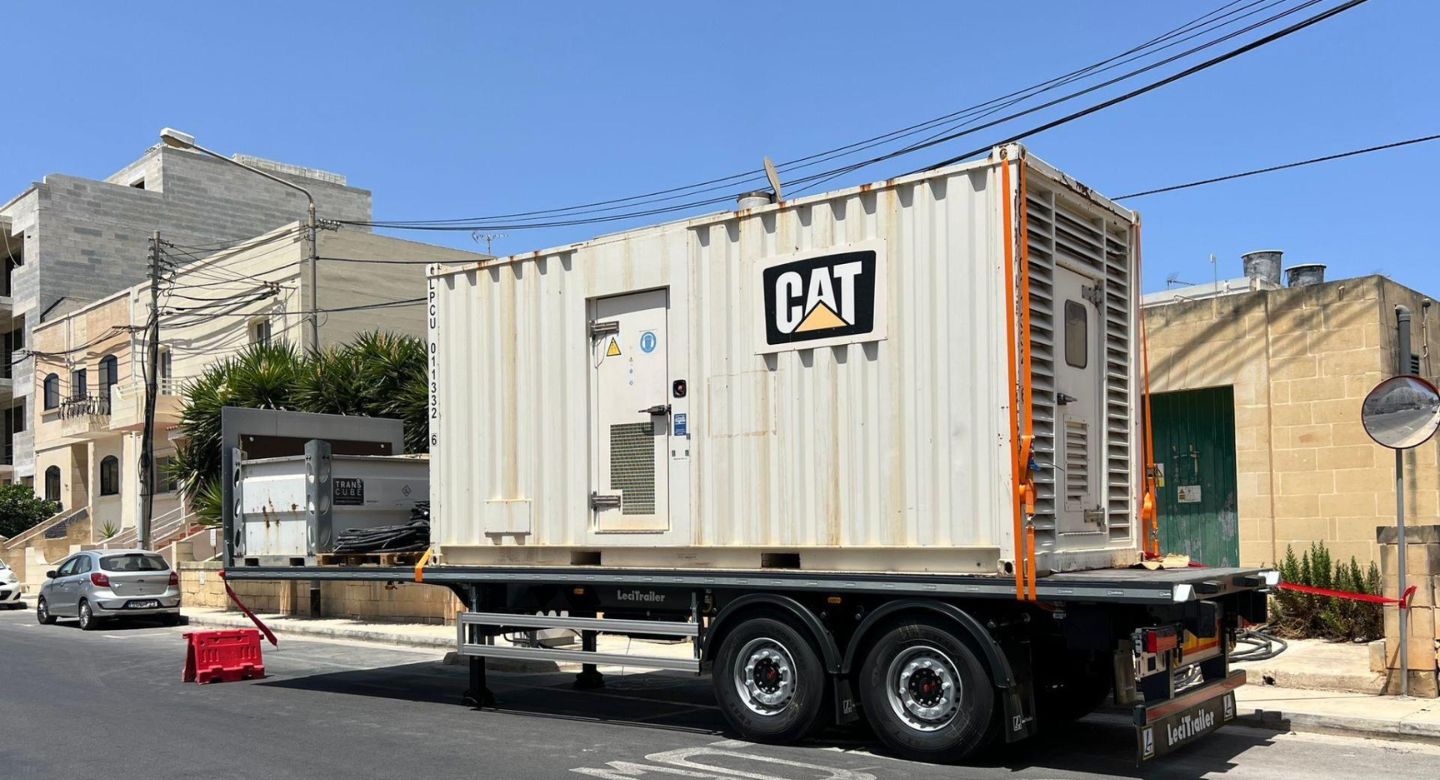
Energy crisis generator costs under NAO scrutiny


€61 an hour ‘thank you’ consultancy for Zammit Lewis
Public paid €6,000 for Kurt Farrugia interview and publicity
Tags
#Clyde Caruana
#Electrogas
#Iran
#Israel
#Italy
#Konrad Mizzi
#Labour Party
#lng
#Malta
#Miriam Dalli
#Partit Laburista
#PL
#Qatar
#QatarEnergy
#Reuters
#Robert Abela
#Saad al-Kaabi
#SOCAR Trading
#United States
Other News
MMH repays €15 million bond in full amid investor rescue deal
Energy crisis generator costs under NAO scrutiny
€61 an hour ‘thank you’ consultancy for Zammit Lewis
Public paid €6,000 for Kurt Farrugia interview and publicity

Heritage Malta directors’ remuneration more than doubles to €103,000 as deficit hits €4.2m

Malta’s tourism intensity outstrips Amsterdam and Barcelona

Carlo Stivala in bigger trouble as all Centric Hotel might be illegal

Joseph Muscat losing his cool as corruption proceedings against him continue
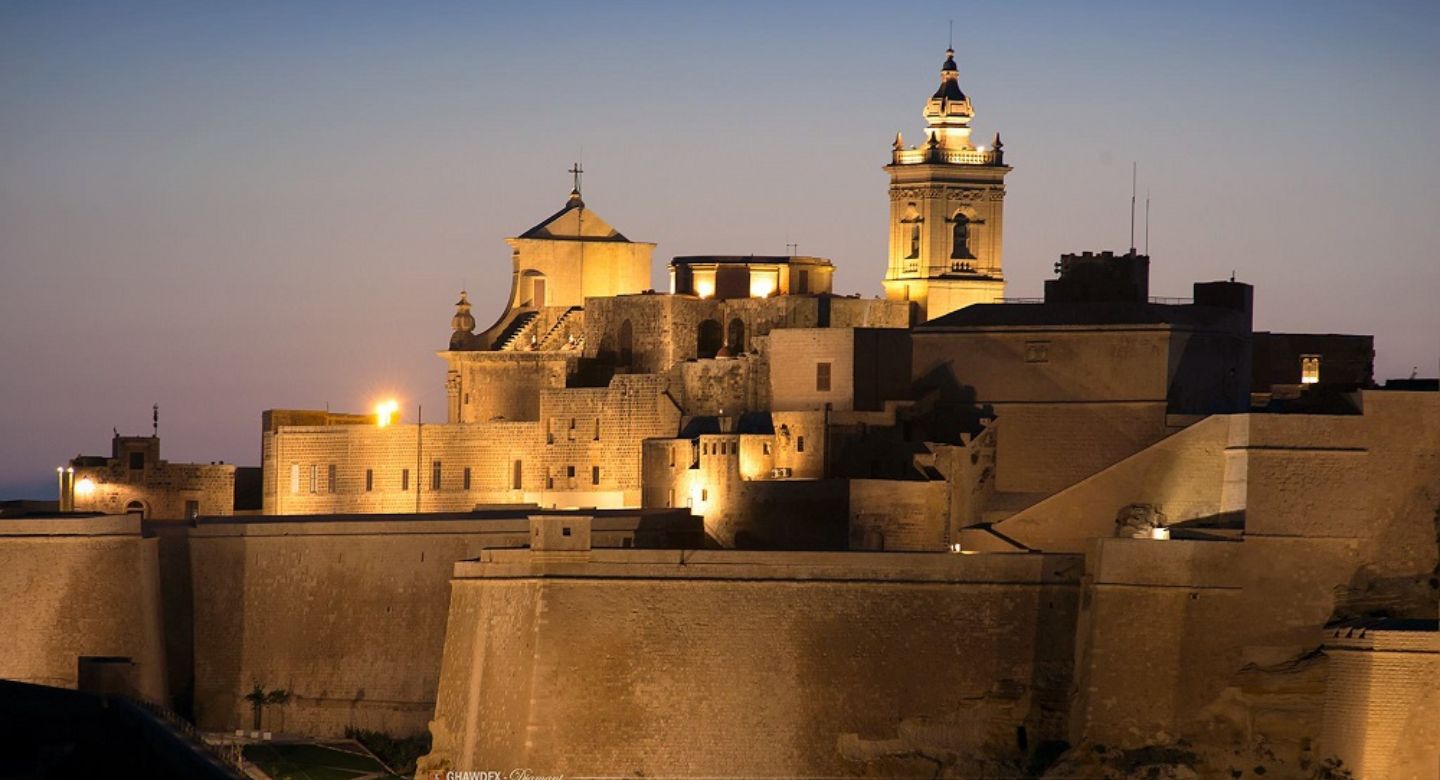
‘Rogue’ development application threatens Cittadella’s status – Architect is former PA board member

Two managers for every three administrative staff at the BCA

Labour president handed embryo regulator’s top job amid conflict-of-interest concerns