

In the electoral campaign, Prime Minister Robert Abela promised he would “go through walls” for the Maltese people. Yesterday, when a wall of shock, fear, shattered glass, and uncertainty hit entire communities, he seemed more interested in standing behind a podium than standing with those affected.
While residents were checking whether their children were safe, sweeping glass from their homes, searching for frightened pets, and trying to understand what had just happened, the country watched its Prime Minister carry on with ceremony and celebration as though nothing extraordinary had occurred.
Leadership is not tested when everything goes according to plan. It is tested when people are scared or angry and looking for reassurance.
The message people received was simple: ‘The programme must go on.’
“Thank God nobody was hurt,” is not a response. It is an excuse. It ignores the trauma of families who ran for cover, the children who witnessed the explosion, the residents whose homes were damaged, and the animals that suffered injury or death. It reduces a serious public safety incident to a footnote.
The issue is not whether fireworks are part of Maltese culture. Many traditions are. The issue is whether tradition becomes a shield against scrutiny every time something goes wrong.
A tradition that can put neighbouring communities at risk has a responsibility attached to it: rigorous regulation, effective oversight, and uncompromising safety standards.
What people needed yesterday was empathy, urgency, and visible leadership. Instead, they saw pomp, protocol, and political theatre.
A Prime Minister does not have to personally clean up broken glass. He does not have to rebuild damaged property by hand. But he does have to understand the difference between a day for celebration and a day for solidarity.
If the promise was to “go through walls” for the Maltese people, yesterday, many citizens were left wondering why, when their own walls were shaking, they were standing alone.
A fatal track record
Yesterday’s explosion was not an isolated accident. It belongs to a long and painful history of fireworks-related tragedies in Malta, a history written in lives lost, families devastated, communities traumatised and repeated promises that “lessons will be learned”. Yet the explosions continue.
The victims have names.
In the Għarb fireworks factory explosion of 4 November 2012, four men lost their lives: Ġorġ Gatt, Peppi Ċini, Mario Gauci and another colleague whose remains were recovered after an extensive search operation. The blast shocked Gozo and left families grieving loved ones who never returned home.
More recently, in 2022, Leonard “Nardu” Camilleri was killed in another fireworks factory explosion, adding yet another name to a list that has become far too long.
Records show at least 65 fatalities linked to fireworks incidents over a 30-year period alone, while 2010 became the deadliest year on record with nine deaths connected to fireworks manufacturing accidents.
Even the factory that exploded yesterday had already suffered a major explosion in 2018, leaving people seriously injured. The warning signs were there.
So when political leaders respond with relief that there were no deaths this time, they overlook a deeper truth: Malta has spent decades normalising a level of risk that would be considered unacceptable in almost any other industry.
And the consequences extend beyond human casualties.
Scientific research conducted in Malta has repeatedly shown that fireworks contribute significantly to air pollution.
The environmental damage does not stop in the air.
Research has linked Malta’s widespread perchlorate contamination of groundwater to prolonged and intensive pyrotechnic activity. Perchlorates can persist in the environment, contaminate water resources and affect ecosystems. Scientists have described Malta’s situation as unusual because the contamination appears to stem largely from fireworks rather than from major industrial activity.
The fallout also reaches soil and marine environments. Heavy metals used to produce colours and effects in fireworks settle onto agricultural land, valleys, reservoirs and coastal areas. These substances can accumulate over time, entering food chains and marine ecosystems.
That is why this debate cannot be reduced to culture versus anti-culture.
Nobody is attacking tradition. The real question is whether any tradition should be exempt from the standards of safety, environmental responsibility and accountability expected of every other activity in a modern European country.
Yesterday, while residents were fleeing shattered homes, comforting terrified children, tending to injured animals and wondering whether another explosion was coming, the country’s leadership continued with ceremonial celebrations. That was not simply a scheduling decision. It was a statement about priorities.
And after decades of explosions, injuries and deaths, “thank God nobody was killed this time” is not a strategy.
It is an admission that Malta continues to rely on luck where it should be relying on regulation, enforcement and political courage. Yesterday proved that once again.
Sign up to our newsletter Stay in the know
"*" indicates required fields
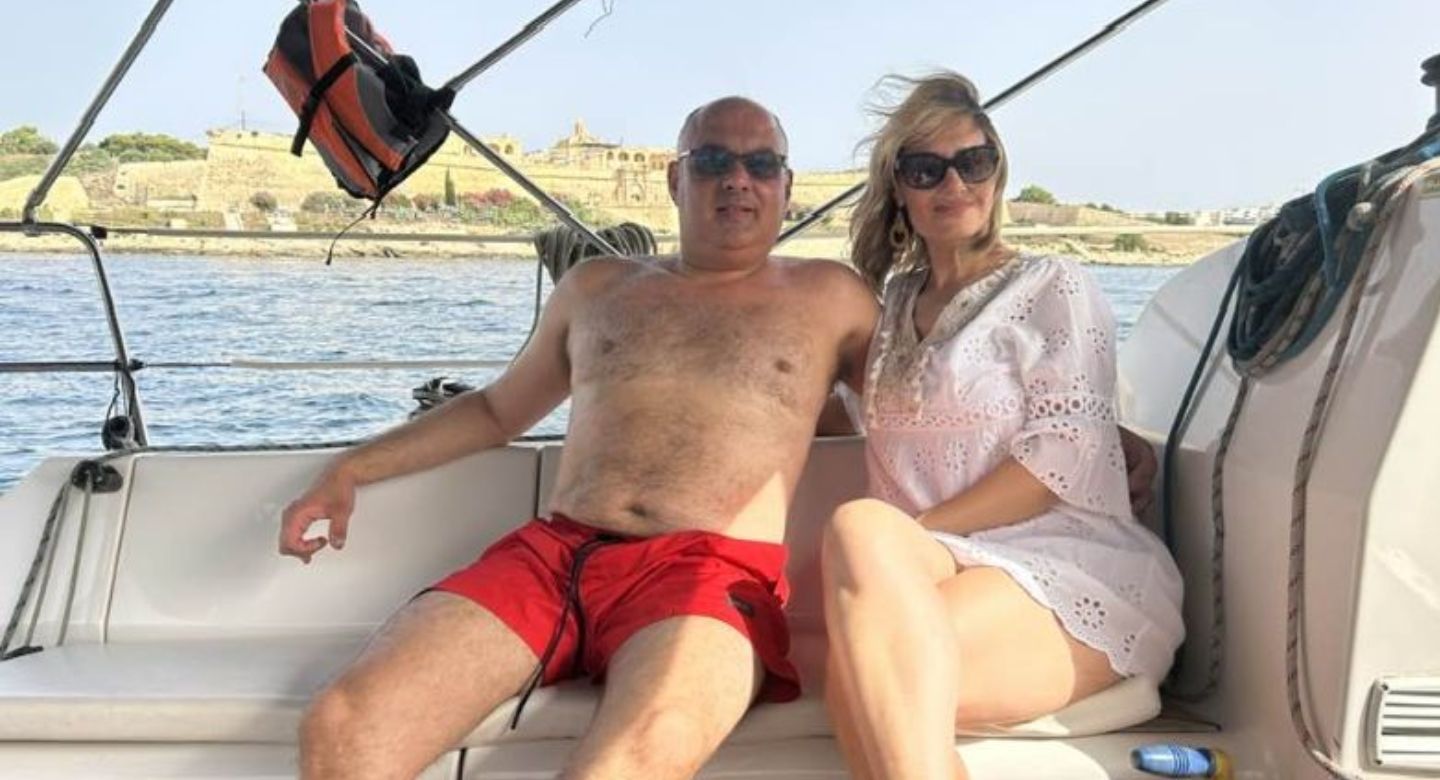
Super CEO’s wife seconded to Mater Dei top job


Caruana again dodges questions over KM Malta’s finances as airline in dire straits

Another chairmanship for the Mizzis as Byron Camilleri appoints Antonio
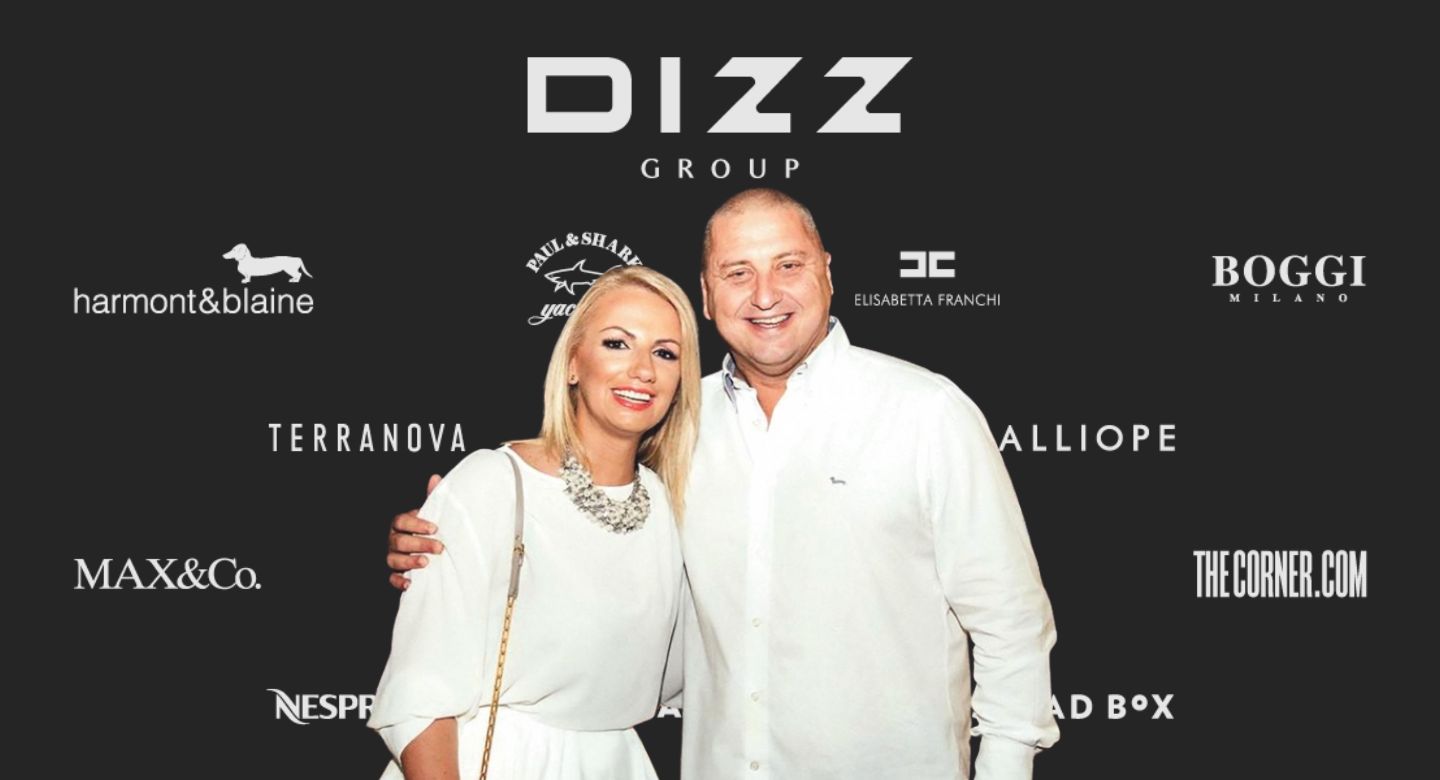
Dizz repays €8 million bond after completing Tigne shopping mall company sale

Tags
#air pollution
#chemicals
#environmental hazards
#fireworks
#fireworks factory explosion
#land pollution
#prime minister robert abela
#pyrotechnics
#safety rules
#swearing-in ceremony
Other News
Super CEO’s wife seconded to Mater Dei top job
Caruana again dodges questions over KM Malta’s finances as airline in dire straits
Another chairmanship for the Mizzis as Byron Camilleri appoints Antonio
Dizz repays €8 million bond after completing Tigne shopping mall company sale
PN loses more experience as Alex Borg sacks his spokesman

Abela gets another drubbing by PL delegates
Galdes ‘parked’ at National Skills Council

MTA in financial meltdown

International press freedom groups urge Abela to open media bill to scrutiny
Buttigieg stops short of direct action against Carlo Stivala’s new illegal structure
Revealed – Minister awards €53,300 property lease direct order to his own agency chair
The prime minister Robert Abela failed the test of a statesman yesterday.
Only yesterday?
Nobody was injured seriously or died – luckily – in this incident. So there was no reason to postpone anything. The question is whether rooms In fields are appropriate to manufacture and store explosives
The explosion didn’t even rate a footnote on tvm news yesterday, but we all had witness all the clapping for one of the most selfish pms in history.