

The Labour Party emerged victorious in the general elections, retaining the confidence of a majority of voters and extending its hold on government, although it suffered a significant dent in its popularity.
While Labour celebrates another electoral triumph, the elections also revealed important developments within the Nationalist Party (PN).
Despite conceding defeat, the PN can point to several encouraging signs that suggest a potential revival after years of electoral setbacks. The party’s Secretary General told journalists at the Naxxar Counting Hall on Sunday morning that the difference between PN and PL was an estimated 18,000 votes, reducing the gap to half.
Central to this renewed momentum was the leadership of Alex Borg. Having assumed the party leadership only seven months ago, Borg faced what many regarded as a baptism of fire.
Leading an opposition party against a well-established and electorally successful Labour administration presented a formidable challenge. Nevertheless, Borg’s campaign managed to inject fresh energy into the PN and reconnect the party with segments of the electorate that had drifted away in recent years.
Perhaps the most significant achievement for the PN was its ability to make inroads into areas traditionally regarded as Labour strongholds.
While Labour ultimately retained the upper hand, the opposition succeeded in narrowing margins in several districts and demonstrated an improved capacity to compete in territories that had long been considered politically difficult terrain for the Nationalists.
Political analysts noted that the elections result reflected two parallel realities. On one hand, Labour remains the country’s dominant political force, benefiting from strong organisational structures, incumbency advantages, and continued voter confidence. On the other hand, the PN’s performance suggests that the political gap between the two major parties may no longer be widening and could, in certain areas, be narrowing.
For Labour, the victory provides a renewed mandate to govern and pursue its policy agenda. Expectations will now be high as the government seeks to deliver on its electoral promises while responding to challenges facing the country in the years ahead.
For the PN, the result, though a defeat, may be viewed as a foundation upon which to build. The campaign demonstrated that under Borg’s leadership, the party has shown greater competitiveness, improved voter engagement, and a capacity to challenge Labour more effectively than in previous contests.
Whether this momentum can be sustained will likely determine the future direction of Maltese politics.
The elections may therefore be remembered not only for Labour’s victory, but also as the contest in which the Nationalist Party began to re-establish itself as a credible and increasingly competitive alternative government.
Sign up to our newsletter Stay in the know
"*" indicates required fields

MTA in financial meltdown


International press freedom groups urge Abela to open media bill to scrutiny

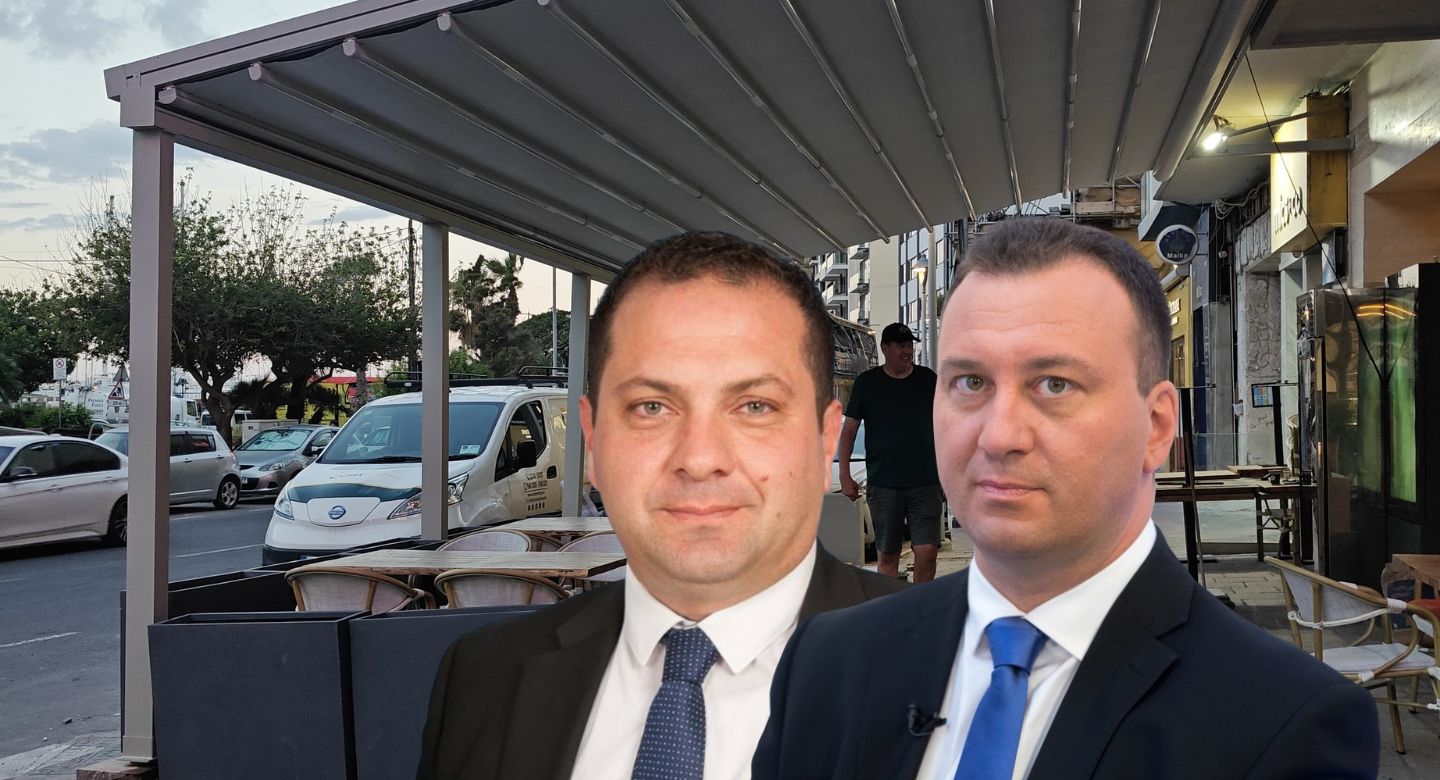
Buttigieg stops short of direct action against Carlo Stivala’s new illegal structure
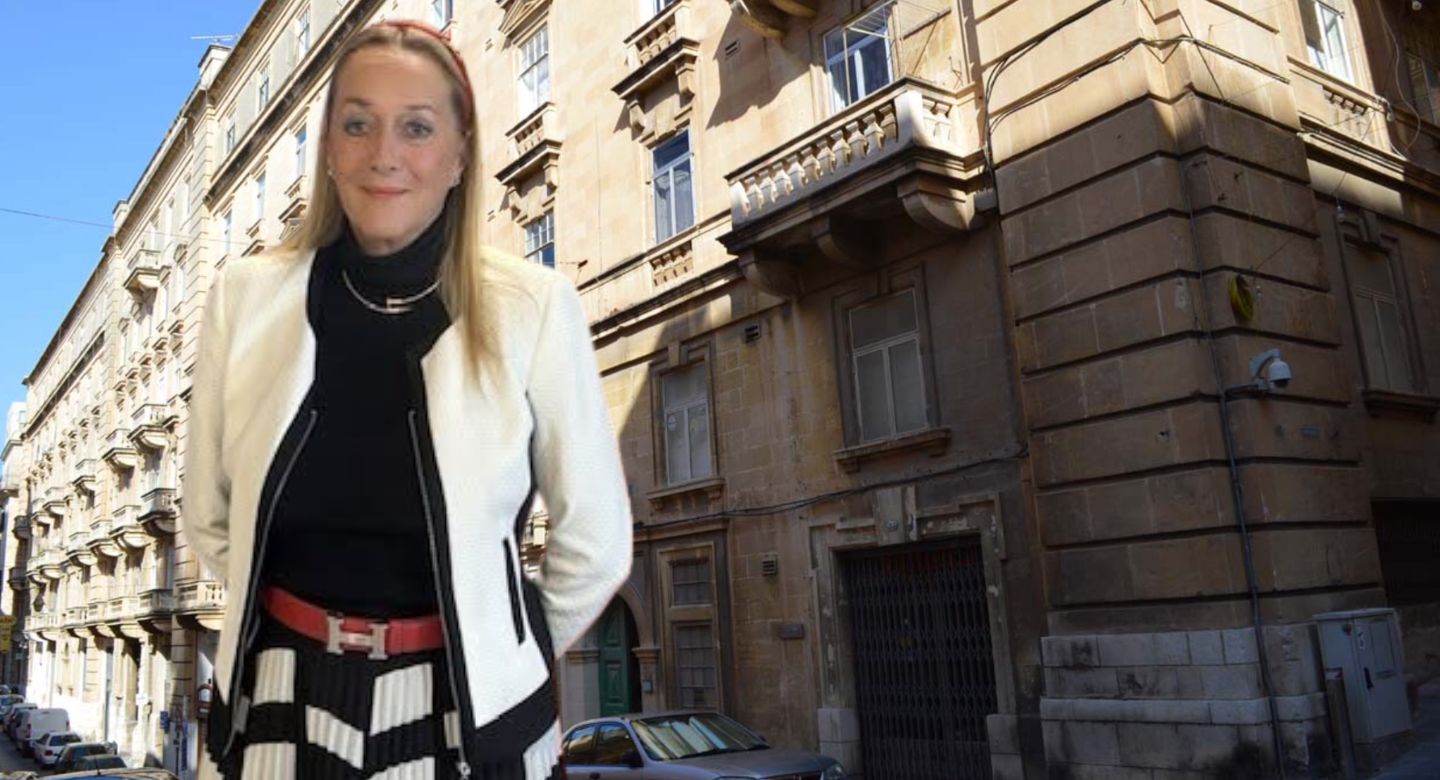
Revealed – Minister awards €53,300 property lease direct order to his own agency chair
Tags
#Alex Borg
#districts
#elections 2026
#Labour Party
#Nationalist Party
#Robert Abela
#victory
Other News
MTA in financial meltdown
International press freedom groups urge Abela to open media bill to scrutiny
Buttigieg stops short of direct action against Carlo Stivala’s new illegal structure
Revealed – Minister awards €53,300 property lease direct order to his own agency chair
PA postpones Saqqajja flats decision amid ground stability concerns

Convicted PL executive candidate given promotion before election

Galdes points fingers at Owen Bonnici over latest social housing standstill
Clyde Caruana misses deficit target by €312 million

PBS ‘hides’ Ricky in response to PN court case

Bank accused of misleading prospective bond investors

Hili faces bigger battle over Comino after NGOs win reprieve
It’s fascinating listening to Net TV with PN exponents bemoaning corruption and massive vote buying now that it’s too late, when nothing was mentioned during the campaign.
This result if confirmed is nearly identical to the local councils’ one two years ago.
It goes beyond the local councils elections by 2 percentage points
The gap in the 2024 local council elections was just over 20,000. Even allowing for factors like independent candidates and protest votes, the gap in support has remained the same.
Those who are claiming that Alex Borg has halved Labour’s lead in seven months are misleading their own support base.
Exactly so! They didnt even mention the environment and construction! People saw through that!
With “humility” we need to accept the will of the maltese. the will to incompetence.
with due respect, a message to all the talented youth: get out while you still can.
Ohh yes! Whilst I have no sympathy for PN, this is still not healthy for the country with 22,000 majority! Dak huwa l poplu Malti! Jinxtara ghal laqgha!! X jimpurtah min kif qieghed pajjizu! Pajjiz ma jistax ikun izjed hazin u jkollok din l maggoranza! Ifrah poplu gahan!
When the PN rid itself of the negative elements, its results started to improve
The ‘negative’ elements who stood up to corruption at great personal risk. Now the PN is ‘positive’ with Alex and Sarah strutting their stuff and promising handouts. No wonder Robert Abela praised Alex Borg for a positive campaign – the ultimate indictment!
Haga wahda dejjem jizbaljaw l PN u kemm politici avukati ghandhom w kemm minghalihom ghandhom nies ta stoffa w mhumhiex kapaci jirbhu lil dawk li ma johorgux jivvutaw! L votanti li rebah l PL hallihom, tipruvax iggibhom lejk. Ahdem fuq dawk li ma rebahx l PL u cioe dawk li taf li mhux sejrin jivvutaw. Dawk li ma jivvutawx hemm faxxa minnhom li jkun naqqashom l gvern ghax ma tahhomx l laghqa, dawk insihom. L istess fejn dahlu l kaccaturi, dawk rebahhom l labour ghalhekk insihom, prova jrbah lil dawk li huma kontra l-kacca w kieku ma semma xejn l PN fuq il-kacca kien ikun ahjar. Faxxa ohra li l PL ma akkwistax huma dawk li jhobbu l ambjent u jistmerru l kruha ta’ kostruzzjoni li tiela bl addocc, fuq dawk trid tahdem. Alex lanqas biss semma x ser ikun qed jaghmel ghal l ambjent u x ser ikun qed iwettaq differenti fis-settur tal-kostruzzjoni. L vot ma tirbhux biss mil votant li jrid biss lejh! Hemm dawk li ma johorgux jivvutaw li huma hafna, ghax ihobbu l pajjiz! Fuq dawk trid titfa l energija! U ghalhekk Joseph kien success ghal laqat lil kullhadd! Halli tnejjek wahda nobis bina!
100% agree. Forget Laburisti genwini, those who are genwini leave like Conrad Borg Manche did.
Taf x’għandkom tgħidu intom is-suppost l-illuminati ċentristi li taħsbu li tafu aħjar minn ħaddieħor għax ma toħorġux tivvutaw, jew tivvutaw lit-tielet partit. Li kieku l-għaxart elef vot ikkombinati li ħadu l-ADPD u Momentum marru għand il-PN, it-telfa kienet tkun ferm anqas, u t-taħbit fuq is-sider illum kien ikun ħafna aktar kwiet bħalma kien wara tal-MEPs, u ċ-ċaqliqa ‘l fuq tal-PN kienet tkun ferm aktar inkoraġġanti. Imma intom taħsbu li tafu aħjar minn kulħadd inkluż minn min dejjem għex f’distretti fortizzi tal-Labour u li għajr ħars ikrah u kummenti ta’ ħdura ma jarax u ma jismax fl-elezzjonijiet. Issa intom ibqgħu komdi tkażaw u ġorru u ma tagħmlu xejn biex tirranġaw l-affarijiet, u aħna nibqgħu ngawdu l-ksuħat, ħdura u paroli fil-vojt kuljum, minħabba n-nuqqasijiet tagħkom. Għandu kemm għandu difetti il-PN, huwa seba’ mitt darba aktar diċenti mil-Labour, u huwa l-unika triq biex qatt neħilsu minn dan id-dittatorjat. Tgħidu x’tgħidu u targumentaw x’targumentaw dawn huma l-fatti, xejn aktar u xejn anqas. L-ebda gvern Laburista mhu se jbiddel sistema li tagħmlu re kull ħames snin, u kull esperiment fil-vot huwa biss vot għal-Labour, għax l-ebda Laburist mhu se jivvota lil ħadd ħlief Labour. L-aktar l-aktar forsi ma jivvotawx. Il-partiti ż-żgħar kulma jagħmlu jieklu mill-vot tal-PN, u jkabbru d-distakk b’default. Issa prosit, oqogħdu ġorru fil-penthouse u aħna nbatu ħabba għamilkom għal ħames snin oħra.
Min ivvota ghat tielet partit kien il -fatt li ma emminx fil PN! U l PN naqas li jikkonvincih! Semplici! U tajjeb ghamlu! Sta ghal PN li jikkonvinci dawn in-nies li ghandhom kull dritt juru fiducja fit-tielet partit. In-nifs gdid kienet biss zewg kelmiet!
U min ivvota lil-Labour għax ikkonvinċieh ukoll hu? Għax il-metru li tkejlu lil-Labour u lil-PN l-istess, hux hekk? Tajjeb, komplu għidu hekk u jien l-ewwel wieħed niffaċċja l-konsegwenzi ta’ għamilkom kuljum. L-importanti għalija hu li jien għandi l-kuxjenza nadifa, għax dmiri lejn pajjiżi għamiltu dejjem u l-vot tiegħi dejjem sewa kif ridtu jien. Qatt ma tajt appoġġ lil partit ieħor indirettament. Komplu sejrin hekk, intom tgorru u aħna nbatu minħabba fikom. Fil-fond ta’ qalbu, kull min esperimenta jaf li finalment għamilu sewa ta’ vot għal-Labour li ilu tlettax-il sena jġorr fuqu. Xejn aktar xejn anqas, u l-ebda kumment mhu se jbiddel dan il-fatt. Il-partit veru fi dmiru li jikkonvinċik f’demokrazija, imma l-votant huwa daqstant ieħor fi dmiru li jaħdem strateġikament biex iġib il-bidla li jgħid li jixtieq. U vot b’default lil-Labour huwa nuqqas minn dan id-dmir.
Nifhem l punt tieghek. Jien dejjem nghid min jaghti vot lil labour huwa zero, biex ma nghidtx xi hag ohra, jiddispjacini nghid ghax dal gvern ma jistax ikun aghar izjed milli hu. Qed tivvota ghal kriminal! Fejn tista tasal izjed! Pajjizna sehtu biex huma saru miljunarji w ghadu jsib min jivvutalu! R-RAGUNAMENT TIEGHEK HU IVVOTA pN biex nehilsu min dal gvern mafia. Pero jekk jien nemmen li l PN mhux fid-direzzjoni t-tajba kif nista nasal nivvutalu!? U hekk qed jigri. Kif jista l PN jghid nifs gdid meta l ambjent ma tkellem xejn dwaru, settur tal-kostruzzjoni lanqas u Alex uriena li ghandu ghal qalbu hafna l izviluppaturi….fuq it-tehied ta l art ta Pembroke qabel maghha w l lista tkompli! Mela fejn hi l-bidla li jiena rrid nivvota ghaliha!? Fejn hu n-nifs gdid? U ghalhekk dawk l ghaxar t elef ivvutaw it-tielet partit! Kieku sabu fiducja fil-PN kienu jghazlu lilu! Hafna ma jahsbuhiex bhalek li ghandhom jivvutaw ghal hazin biex jehilsu mil-hazin, allura ffitxu band ohra! Il-frustrazzjoni tieghek hija l-frustrazzjoni tieghi ghax dal gvern qatt ma kellu jibqa fil-gvern ghal dan iz-zmien kollu bl affarijiet oxxeni li ghamel u ghadu jaghmel u kieku l poplu normali w sura ma jaghtiex vot wiehed lil dal gvern korrot li sehet pajjizna!!