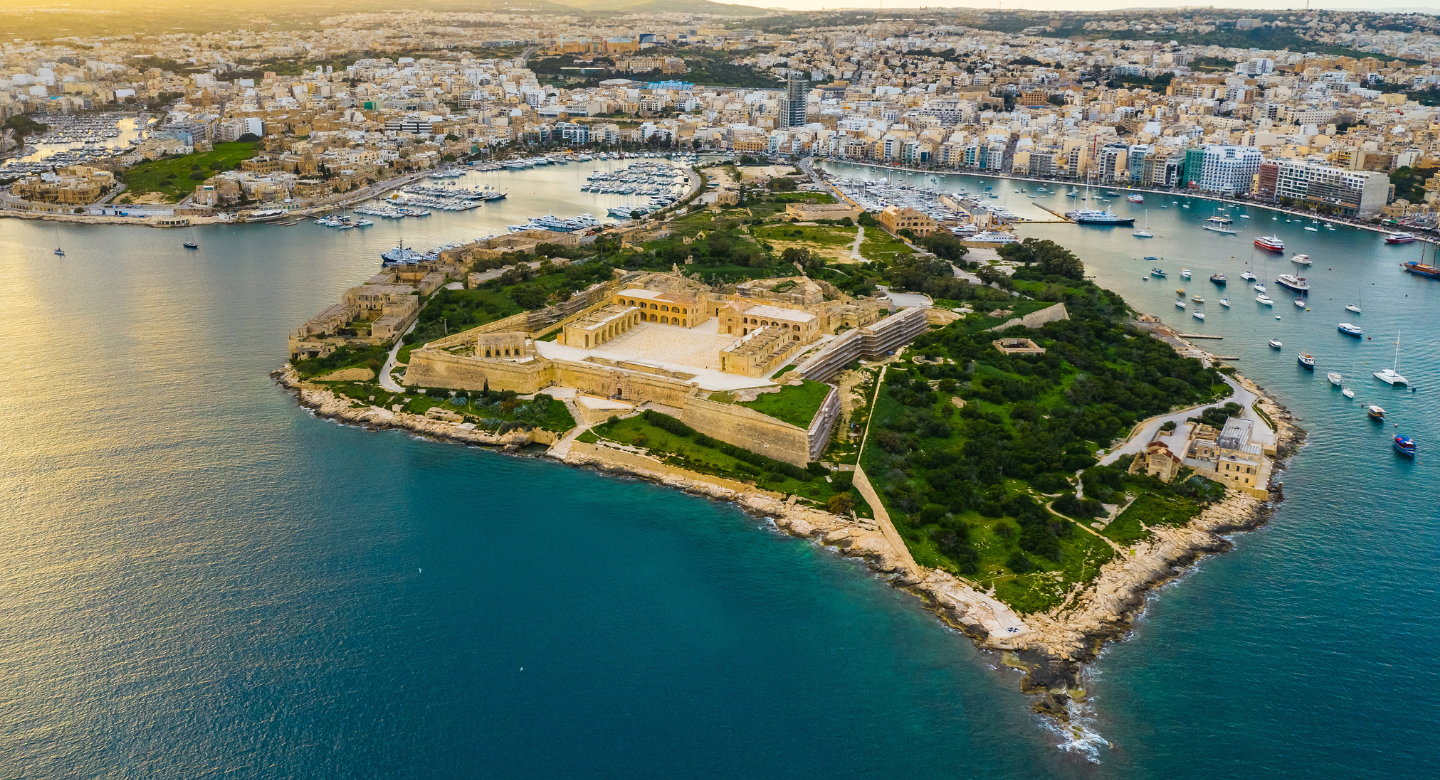

Taxpayers are set to fork out more than €42 million to MIDI plc for the return of Manoel Island, a figure that far exceeds the restoration costs repeatedly cited by Prime Minister Robert Abela and amounts to a de facto ‘bailout’ of a struggling private developer, The Shift can reveal.
The deal’s details, so far kept under wraps by the Government, are raising serious questions among government insiders, particularly since the government had long insisted that MIDI was in breach of its concession and that the contract could be rescinded at no cost, apart from court legal fees.
Neither the Prime Minister, now portraying the return of Manoel Island as a political win, nor Finance Minister Clyde Caruana, who approved the deal, have explained why taxpayers are being forced to pay more than three times the restoration costs the company claims to have incurred.
The Shift can reveal that of the €42.7 million package, just €11.1 million is linked to actual restoration works.
The remaining tens of millions covers a range of costs accumulated by MIDI over the years, including €15.2 million in premium and ground rent, €8 million in design and Planning Authority fees for a project that never materialised, €2.6 million in salaries for MIDI employees, €1.5 million in professional and legal fees, €1.12 million in security services, €2.5 million related to Fort Tigné, which the consortium was about to sell to developer Joseph Portelli and €0.5 million for MIDI’s own offices on the island.

In short, taxpayers are being asked to cover not only restoration works but also salaries, overheads and failed project costs despite the developer never delivering the project in breach of the contract.
The agreement also ignores revenue generated by the consortium during its 25-year occupation, including rental income and marina operations.
The agreement goes contrary to Robert Abela’s claims that the government would not be “buying back” Manoel Island, but merely reimbursing “verified expenses” linked to works carried out.
Instead, the agreement ensures MIDI recovers a wide spectrum of costs, including operational and contractual expenses, going well beyond physical investment in the site.
The timing of the deal is also very significant.
MIDI faces a €50 million bond repayment due in July, and The Shift has already reported the company lacked the funds to meet this obligation without government intervention.
Sources close to the negotiations described the agreement as a “tailor-made solution” that allows MIDI to recover tens of millions and shield itself from losses.
Rather than bearing the risks of a stalled project, the developer is being effectively ‘bailed out’ with taxpayers footing the bill, the sources insisted.
Abela’s U-Turn
The deal also marks another stark U-turn by the Prime Minister.
As recently as 2025, Abela defended the concession, warning that cancelling it could expose taxpayers to liabilities running into hundreds of millions.
Weeks later, following public pressure and an NGO-led campaign, he reversed course, declaring that “their fight is my fight” and committing to take back the island.
The agreement still requires parliamentary approval to be concluded, but the government can push it through with a simple majority.
Sources insisted that behind Robert Abela’s posturing, the numbers tell a different story: a multi-million euro payout that covers the private developer’s losses at the taxpayer’s expense.
The sources insist that this ‘bailout’ is creating a very dangerous precedent and might instigate other major business players to make new claims on other failed contracts and concessions.
MIDI forwarded the following as comment following the article’s publication:
“The article is based on the premise that MIDI was, or is, in default of its obligations under the Emphyteutical Concession entered in 2000. MIDI has denied this categorically and repeatedly. The fact that government asserts that there was a breach does not make it so.
MIDI was entitled to automatic extensions of the completion date under the express terms of the Deed. Once that is accepted, as it must be, on any proper reading of the Deed and the documented history of the project, everything else follows. The company has the right to continue developing Manoel Island. It has agreed to a framework which, once executed, will result in the surrender of that right – a right it held legitimately and which it exercised in good faith throughout the duration of the project.
The amount offered as reimbursement falls significantly short of the investment actually carried out on Manoel Island. That investment was made with the legitimate expectation – grounded in the terms of the deed itself – that the company would develop Manoel Island as a high-end mixed-use development. That expectation was reasonable, and it was frustrated not by any failure on MIDI’s part but by circumstances entirely outside its control.
MIDI’s acceptance of the proposed reimbursement was a pragmatic decision made in the interests of its shareholders and bondholders, the full reasoning for which will be set out in a circular to shareholders to be published shortly. It does not represent, in any sense, an admission of default or breach.
Government’s own independently appointed auditors verified the company’s expenditure at €66.4 million. The amount offered falls approximately €23 million short of that verified figure. That is clearly not a concession by government, and not a bailout. Government was far from generous.”
Sign up to our newsletter Stay in the know
"*" indicates required fields

Rare PL-PN unity as Siġġiewi vows to stop crematorium

MeDirect rejects bond disclosure allegations, warns Vaswani of damages claim

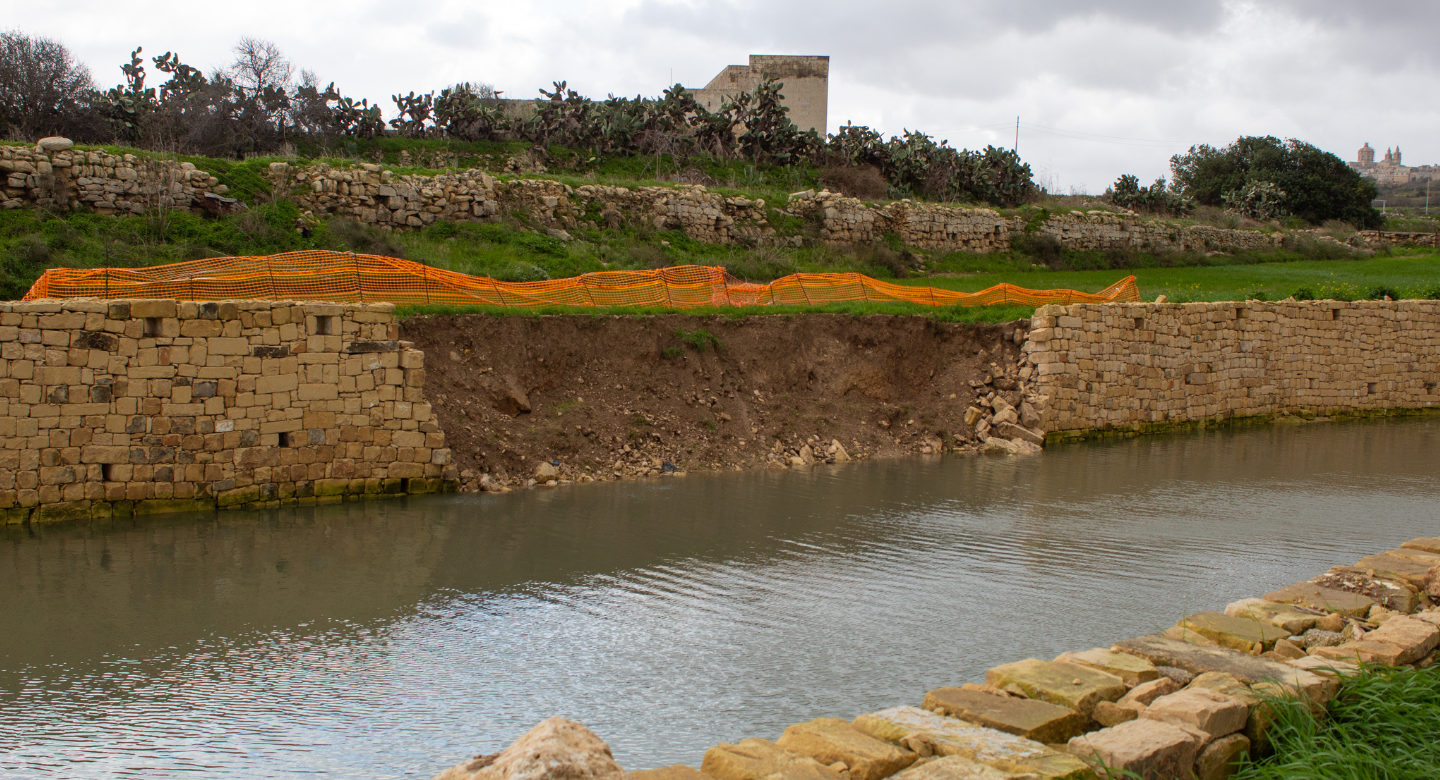
Dalli finds the culprit of Wied Speranza: water in a valley
Pama directors’ bonuses rise 21% as operating profit falls
Tags
#bailout
#Clyde Caruana
#Manoel Island
#Midi plc
#millions
#Robert Abela
#state coffers
Other News
Rare PL-PN unity as Siġġiewi vows to stop crematorium
MeDirect rejects bond disclosure allegations, warns Vaswani of damages claim
Dalli finds the culprit of Wied Speranza: water in a valley
Pama directors’ bonuses rise 21% as operating profit falls

Clyde Caruana livid as Lydia crosses the line

Minister ordered to appoint Luke Dalli as PBS deputy chairman

Kurt Farrugia ‘forgot’ to publish direct orders

Malta increases its dependency on imported electricity as population surges

Turkish bank fails to lift €25 million security tied to Shoreline’s dispute
Controversial crematorium is in John Dalli’s ‘back garden’ – ERA missing in action

Doctors demand halt to health centre testing before further talks
