

Prospective Master of Pharmacy students at the University of Malta who hope to be paid for a three-semester work placement will be dismayed to find out that their department does not appear to be planning on doing so anytime soon.
Asked whether the Pharmacy Department at the University of Malta believed it was sustainable to oblige Master’s students to work 35 hours a week for three semesters without at least a guarantee of minimum wage payment, a department spokesperson told The Shift that “the primary objective of this placement is not to earn money but rather to provide a form of work-based experience”.
The spokesperson noted that such a placement was “essential for a warranted profession to provide a longitudinal learning experience in direct patient care” in which students were tutored in the “legal framework, ethical standards, and public health roles of a pharmacist”. The department did not explain why there appeared to be a lack of effort to ensure students were paid for their time.
As a result, Master of Pharmacy students are left at the mercy of their potential future employers. While some pharmacies do provide some form of compensation for students who are obliged to carry out their work placements with them – a practice which the department “encourages” – there is no legal obligation for them to do so.
A former student who reached out to The Shift on condition of anonymity expressed frustration about this situation.
“I don’t know how they expect us to be able to work almost full-time hours for a year and a half without any guarantee of payment,” the former student noted, adding that those hours were strictly enforced and failure to adhere to them could get you “kicked out of the course”.
“The department should enforce paying students at least a minimum wage. I do not understand how they just shirk responsibility for making sure students are being paid while also enforcing the need to work all those hours… it seems inhumane and unjust,” the former student added.
Non-EU nationals who wish to enroll in the course are in an even more precarious situation. Such students fork out a total of €13,400 in tuition and practice fees. While local students would likely have easier access to pharmacies and would share know-how about which employers pay and which ones don’t, foreign nationals wouldn’t, making them more vulnerable to exploitation.
“Students are responsible for selecting their own placement. The department provides support to any student to find a location when requested to do so by the student,” the department’s spokesperson said.
“The department does not recommend one specific pharmacy group to students. Students are at all times free to seek placements that best suit their academic and personal interests,” the spokesperson added.
Previously, The Shift reported that students reading for a Bachelor of Science (Honours) in Pharmaceutical Science, the degree required prior to applying for a Master’s of Pharmacy, also vented their frustrations about what they believed were discriminatory entry requirements.
Maltese students argued that some non-EU nationals seeking local qualifications for the same industry were not obliged to obtain an Intermediate Level qualification in mathematics, a requirement imposed on locals whose only option for a Master’s is through the Bachelor of Science.
The issue of whether students should be paid for work placements that form part of their coursework tends to come up every once in a while in a university campus that is otherwise relatively sedate.
In 2024, the university’s student council had called for a host of measures to alleviate financial burdens faced by students, including “adequate remuneration” for all students on work placements.
Sign up to our newsletter Stay in the know
"*" indicates required fields
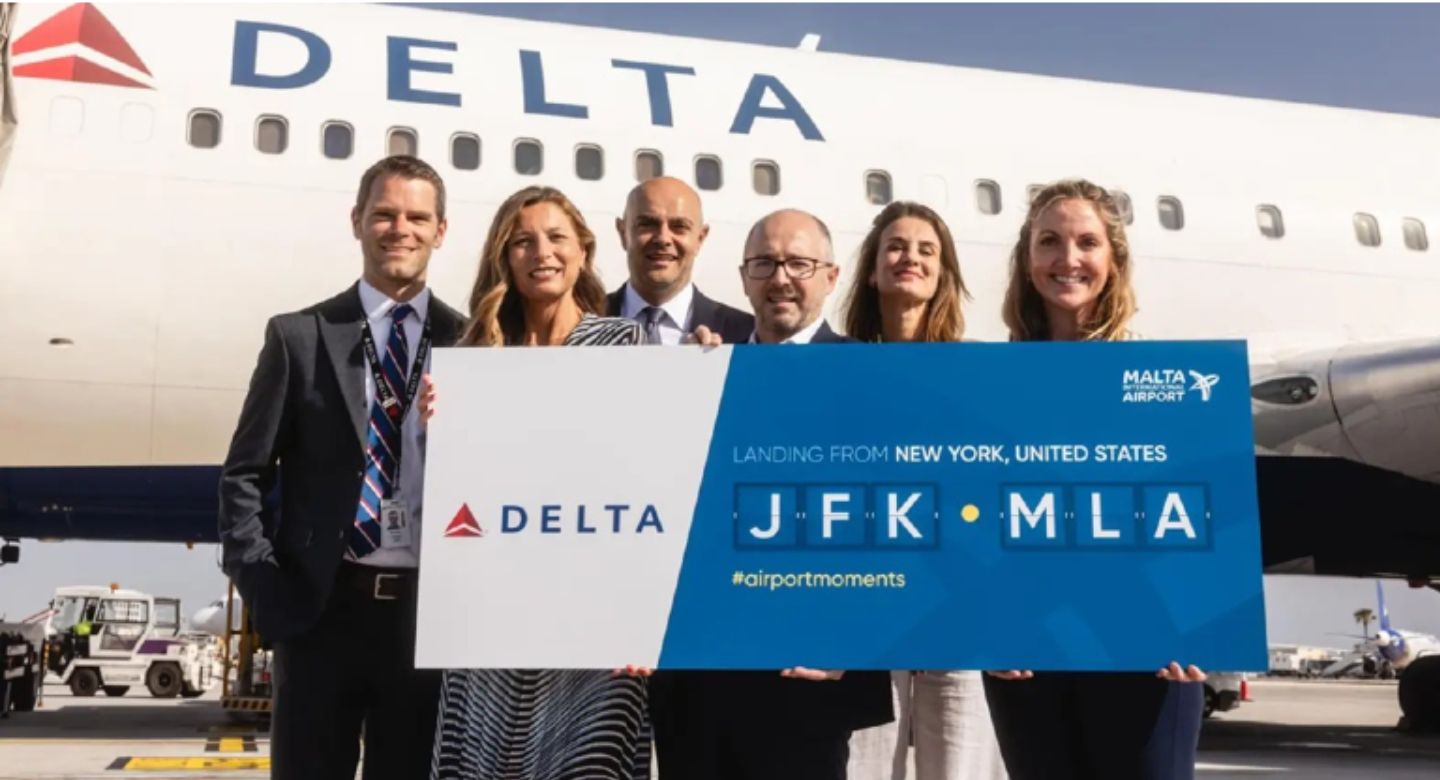
Delta seeks financial assistance to keep Malta flights in 2027

Major food distributor in multimillion-euro talks over Convenience Shop stake

Portelli clan rupture deepens

MMH repays €15 million bond in full amid investor rescue deal
Tags
#Bachelor of Science in Pharmaceutical Science
#discrimination
#Pharmacy Department
#students' rights
#UM
#University of Malta
Other News
Delta seeks financial assistance to keep Malta flights in 2027
Major food distributor in multimillion-euro talks over Convenience Shop stake
Portelli clan rupture deepens
MMH repays €15 million bond in full amid investor rescue deal
Energy crisis generator costs under NAO scrutiny

€61 an hour ‘thank you’ consultancy for Zammit Lewis
Public paid €6,000 for Kurt Farrugia interview and publicity

Heritage Malta directors’ remuneration more than doubles to €103,000 as deficit hits €4.2m

Malta’s tourism intensity outstrips Amsterdam and Barcelona

Carlo Stivala in bigger trouble as all Centric Hotel might be illegal

Joseph Muscat losing his cool as corruption proceedings against him continue
Taking advantage of helpless students. How low can you go!