

Ten years is a long time to wait for a courtroom to catch up with a story.
When I began digging into Mark Gaffarena on the Old Mint Street property in 2015, when I was News Editor at The Times of Malta, I did not imagine that the trail I was following would till be echoing through Malta’s institutions a decade later. But that is the uncomfortable truth about injustice.
It started with something that seemed too small to matter – an inconsequential notice in the Government Gazette about the expropriation of part of a palazzo in Valletta. It caught my attention. Why would anyone want part of (a part of) a property?
Then, the following week, there was another announcement for another part of (a part of) the same building. And then, I started asking questions.
The announcements were days apart; they concerned the same property, carved up into portions. And when Gaffarena acquired different parts, the government would immediately expropriate them. It didn’t make sense.
When I started investigating, what followed was not a straight line from suspicion to proof. It was a maze. The kind where doors close quietly, where information that should be public becomes suddenly inaccessible, where you begin to realise that resistance is not accidental.
The real story – the one that rarely gets told – is how difficult it is to arrive at those facts in the first place. Doors that should open remain closed. Records that should be public are withheld. People you expect to help become obstacles.
There were stranger moments, too. At one point, needing guidance on which notary Allied Newspapers used, I approached the managing director at the time, Adrian Hillman, now facing criminal charges.
By coincidence – or not – he came to my desk the very day I was meant to meet the notary, telling me a gate had fallen on the notary’s head. It was the kind of detail that, in isolation, seems absurd. In context, it became part of a pattern: delays, diversions, interruptions. None definitive on their own. All effective together.
I needed notarial records to understand who owned what and when. That should have been routine. Instead, I was told by the government notary that the documents weren’t available because they had not been filed.
So I tracked down Gaffarena’s notary, after work, without an appointment, to Siġġiewi. She refused to see me.
I sat outside in my car and waited for hours until persistence wore down reluctance, and she finally handed over the documents, for a price. Even access to what should be a public record comes at a cost.
What emerged, piece by painstaking piece, was not just a questionable transaction, but a pattern that suggested facilitation.
The numbers told a story that no amount of official language could soften. A property acquired for a fraction of its eventual payout. A government willing to compensate at extraordinary rates. A sequence of transactions so precisely timed that coincidence became implausible.
The transactions were too precise, too advantageous, to be random. The timeline told its own story.
In December 2007, Gaffarena acquired a quarter-share in the Valletta property for just over €23,000. Following Labour’s electoral victory, the government decided to expropriate that part of the property, which had no real value on its own. Gaffarena was compensated with a package of land and cash worth €822,500.
A month later, in February, he bought another quarter of the property for under €140,000. By April, that, too, was expropriated, along with another €822,500 in compensation.
The Lands Department paid €1.65 million to Gaffarena for property he bought for much less.
In less than two months, the profit margin approached €685,000.
But it didn’t stop at cash. The compensation included parcels of land scattered across Malta: in Naxxar, Żebbuġ, Siġġiewi, Qormi, and Sliema.
I went to each site. Looked at what had been exchanged. What became clear was not just that land had been transferred, but that it had been selected with purpose.
These were not random plots. They were strategically aligned with land Gaffarena already owned, or, in some cases, occupied without title, dramatically increasing their value.
At that point, the story stopped being about a single deal. It became about a system that allowed and enabled such outcomes. And as we began publishing, week after week, the consequences started to ripple outward.
Lawyers reached out. Families who had been contacted by Gaffarena realised they were being drawn into similar arrangements.
One family, in particular, was already on the brink of losing out in a comparable deal. Armed with the reporting, they challenged it in court. They won. The process that had seemed inevitable was stopped.
That moment stays with me more than any figure or document. It showed what journalism can do when it intersects with people’s lives. It doesn’t just inform; it can intervene. It can give someone the leverage they didn’t know they had.
Their victory did not undo everything, but it stopped part of the machinery. It proved that exposure can disrupt even the most entrenched arrangements.
And yet, here we are, a decade later, still asking why it took so long for the broader system to act. Gaffarena and his wife finally ended up in the dock this week.
The evidence was there. The transactions were documented. The imbalance between public cost and private gain was undeniable. Journalism did its part – it exposed, detailed, verified. But it cannot compel accountability. It cannot force institutions to move.
What it can do is make silence impossible. It can ensure that what happened is recorded, scrutinised, and remembered. Without that first decision to question two small notices, none of this would have surfaced.
I still think about the hours spent waiting outside that notary’s door. About the frustration of being blocked at every turn. About the feeling, slowly building, that the resistance itself was evidence.
Those moments are not usually part of the story. But they are the story. Because they reveal how difficult it can be to arrive at something as simple and as powerful as the truth.
The family who fought back understood that. Their gratitude was not just for the outcome, but for the fact that someone had taken the time to look closely, to persist, to connect the dots.
It is a reminder that journalism, at its core, is not about headlines, bylines or clickbait. It is about accountability.
That is why investigative journalism matters. That is why I built The Shift. Not because investigative journalism guarantees immediate change, but because it makes forgetting impossible. Not just in exposing wrongdoing, but in preserving the evidence of it. In ensuring that, even after 10 years, injustice does not get to quietly rewrite its own history.
Real investigative journalism matters. And that is why it is The Shift’s core mission.
Sign up to our newsletter Stay in the know
"*" indicates required fields
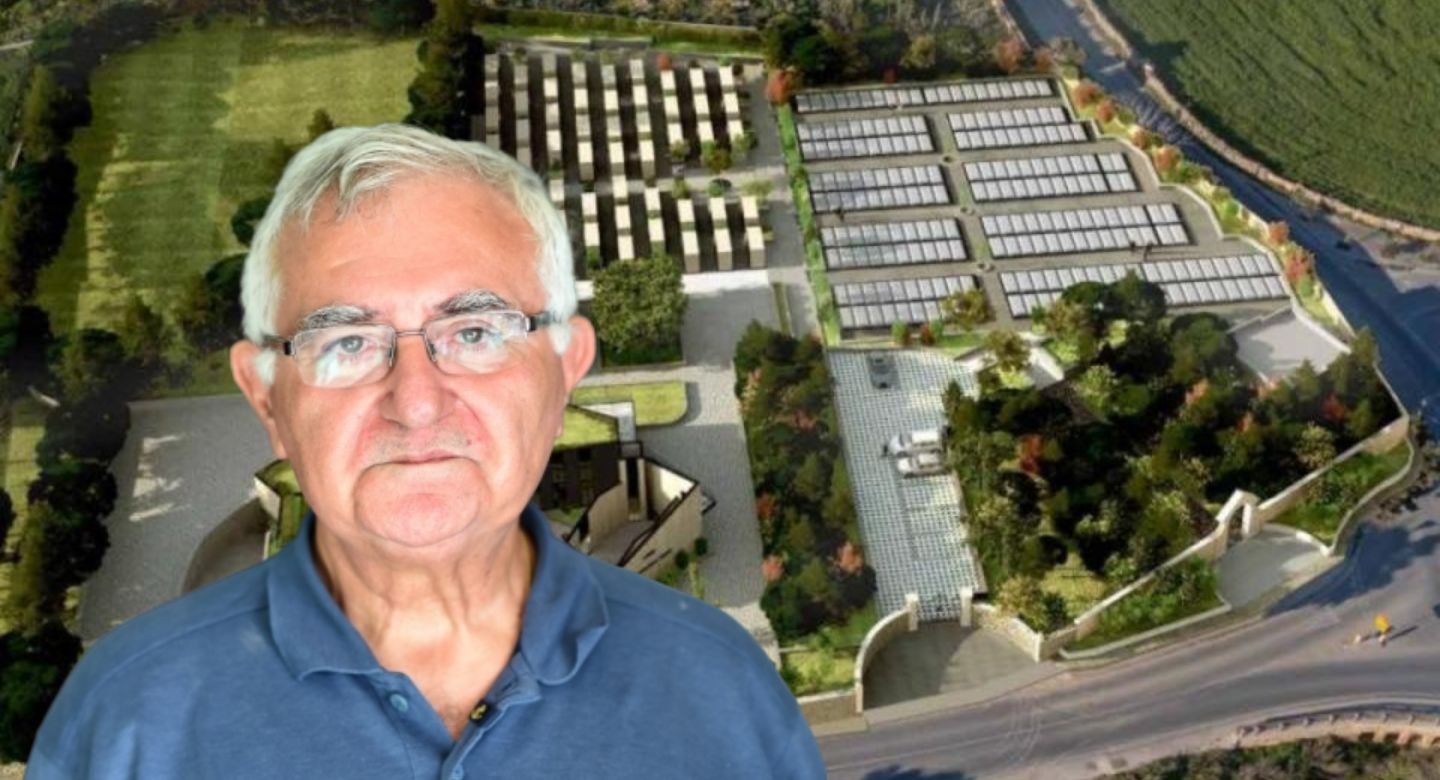
Controversial crematorium is in John Dalli’s ‘back garden’ – ERA missing in action


Doctors demand halt to health centre testing before further talks

Malta last in EU Parliament attendance rankings


One in four licensed short lets concentrated in St Paul’s Bay and Sliema
Tags
#court case
#expropriation
#labour government
#Marco Gaffarena
#Old Mint Street
Other News
Controversial crematorium is in John Dalli’s ‘back garden’ – ERA missing in action
Doctors demand halt to health centre testing before further talks
Malta last in EU Parliament attendance rankings
One in four licensed short lets concentrated in St Paul’s Bay and Sliema

Bonnici hails progress at housing project caught in crisis that sank Galdes

Employers slam Clyde Caruana’s cheap talk
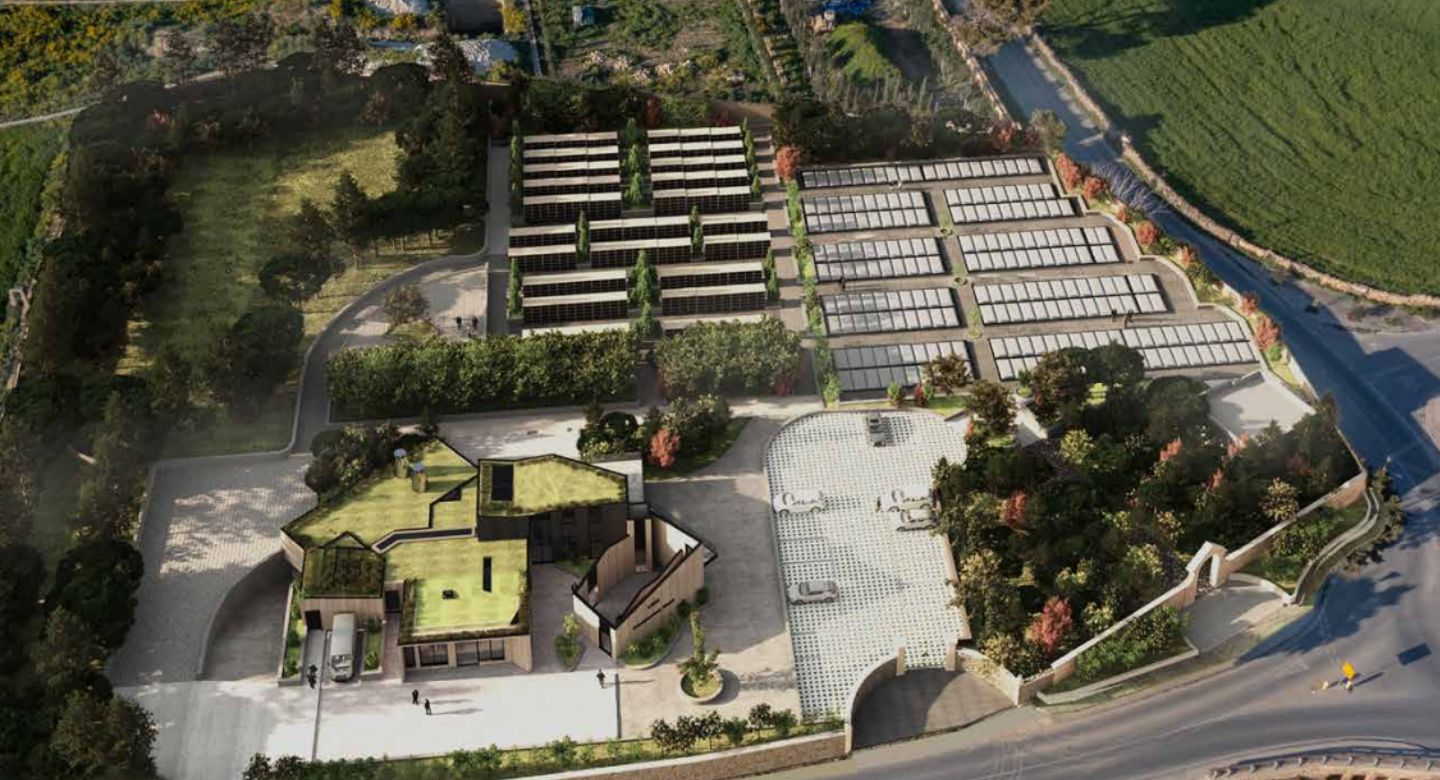
PA’s handling of rival crematorium applications raises a stink
Super CEO’s wife seconded to Mater Dei top job

Caruana again dodges questions over KM Malta’s finances as airline in dire straits

Another chairmanship for the Mizzis as Byron Camilleri appoints Antonio

Dizz repays €8 million bond after completing Tigne shopping mall company sale
Prosit Caroline! That was what Daphne was trying to do and people, the majority failed to realize it. And now we have you. Thank you. We owe you. People should start supporting people like you not the crooks politicians.
They did not ‘fail’ to realize it. They REFUSED to see.
True!
Kudos to you Ms Muscat.
…a timely ‘blow to the head’ wake up call…
The Gaffarena case is certainly the tip of the iceberg. God knows how many more millions in taxpayer money was squandered on friends of friends like this one. Anyhow, thank you Ms Muscat for for you invaluable effort.
not withstanding, gaffarena still developed the sliema property