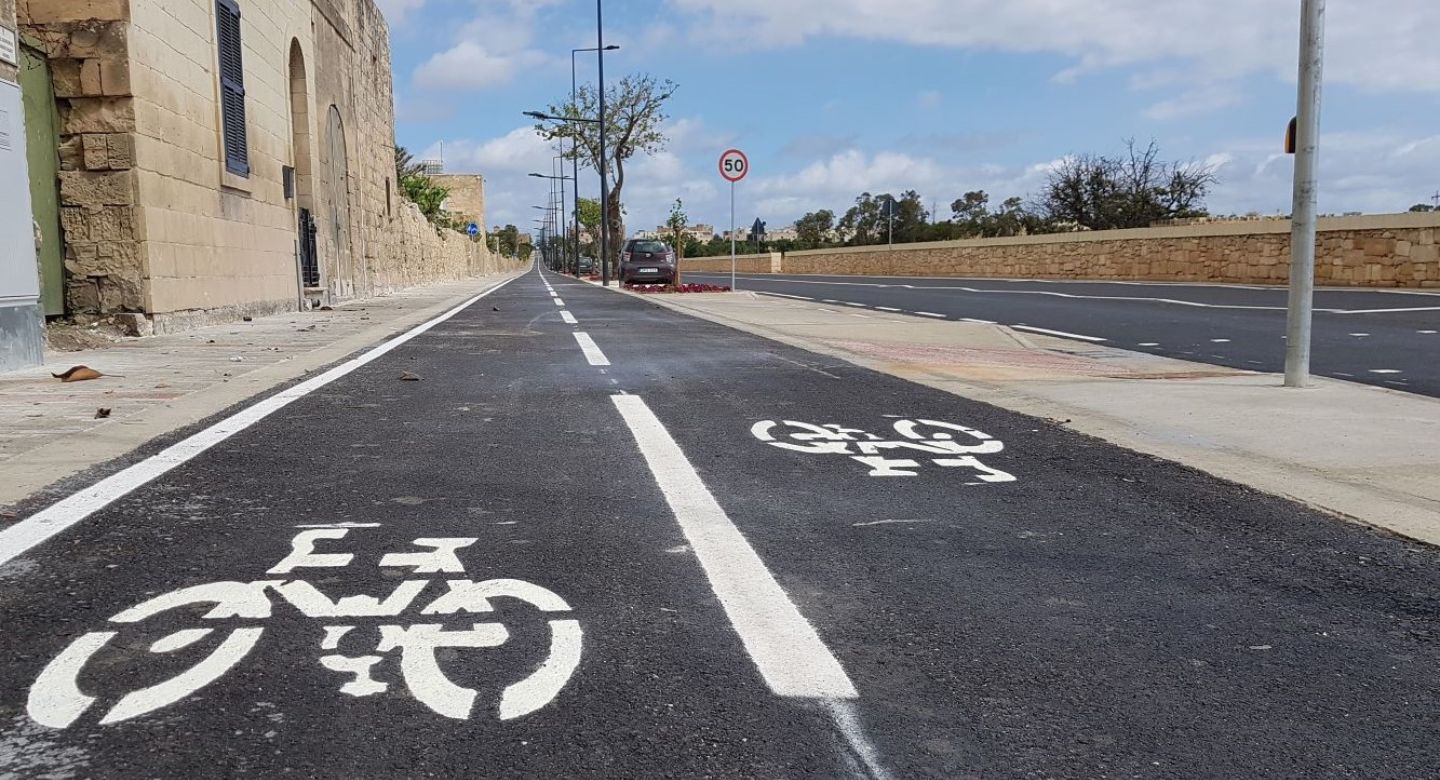

Malta’s new ten-year cycling strategy, announced by Minister Chris Bonett, drops annual delivery targets included in its 2018 predecessor, while renewing promises to develop a connected route network, national design standards and a cycling app.
The National Cycling Strategy 2026–2036, published by Transport Malta, contains no numerical target for infrastructure delivery, cycling uptake or casualty reduction. It also provides no costed implementation programme or deadlines for individual actions.
The 2018 strategy and action plan, whose implementation horizon ran to 2025, included commitments to deliver at least three urban safe cycling routes annually, one cycle-parking scheme each year and at least one additional cycling-monitoring unit annually.
None of the targets was reached, and those recurring commitments do not appear in the replacement document.
Several proposals reappear in the new document.
The 2018 plan called for a study identifying a connected national cycling network, Maltese infrastructure design standards and a geographic information platform integrated with journey-planning applications.
The new strategy again proposes network mapping, the development of local design guidance and a cycling app.
Its more specific additions include a dedicated implementation unit within Transport Malta and a cycling-school-bus pilot. Neither has a stated delivery date.
The document also proposes discussing presumed liability with stakeholders and examining the feasibility of registering bicycles at the point of sale. These are exploratory proposals, rather than commitments to introduce either measure.
Transport Malta’s launch announcement acknowledges that isolated cycle lanes do not necessarily provide the continuous, safe connections people need, and says sustained investment and coordination will be required.
Only a few cycling measures have been delivered since 2018.
Transport Malta’s 2024 annual report records cycling-proficiency training in schools, while the 2021 household travel survey included questions on bicycle use and barriers to cycling.
However, those activities do not establish that the earlier annual infrastructure commitments were met.
The replacement strategy provides no measure-by-measure account of delivery against the 2018 promises. Nor does it explain why the annual targets were removed.
Instead, its central infrastructure programme remains dependent on further studies, standards and phased implementation, leaving the public without a dated schedule against which to judge progress.
Sign up to our newsletter Stay in the know
"*" indicates required fields

Malta’s eco-tax routed through Ireland as government, MHRA, keep deal secret


REVEALED – Ta’ Dirjanu mounts second illegal batching plant as Kerċem operations continue

As population surge, infrastructure investment per person barely grew over six years – Fiscal Council
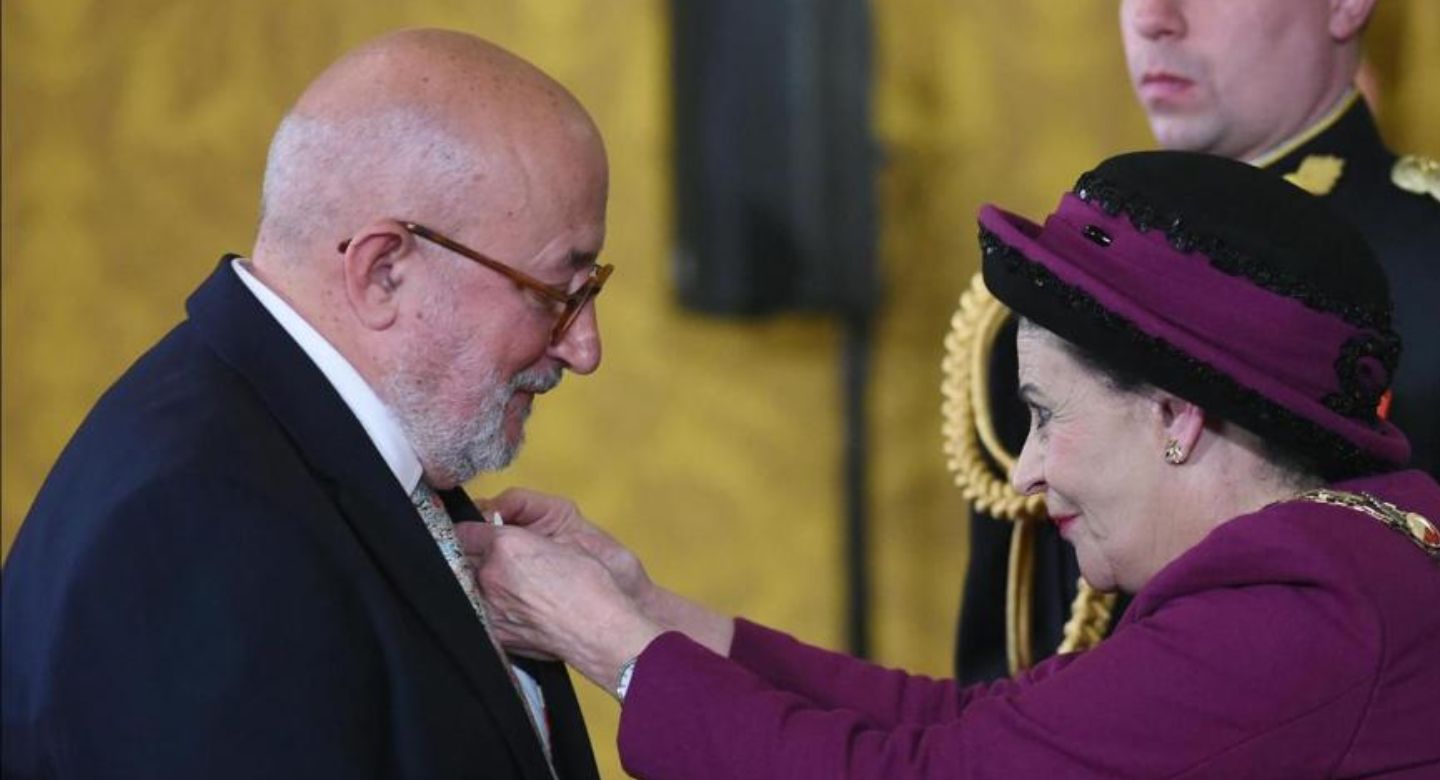
Labour MP in PQ blitz of Farrugia’s paid appointments following medal protest
Tags
#cgris bonett
#copy and paste
#cycling
#Transport Malta
Other News
Malta’s eco-tax routed through Ireland as government, MHRA, keep deal secret
REVEALED – Ta’ Dirjanu mounts second illegal batching plant as Kerċem operations continue
As population surge, infrastructure investment per person barely grew over six years – Fiscal Council
Labour MP in PQ blitz of Farrugia’s paid appointments following medal protest

Chauffeur-driven fleet increases to 6,000 despite tighter rules
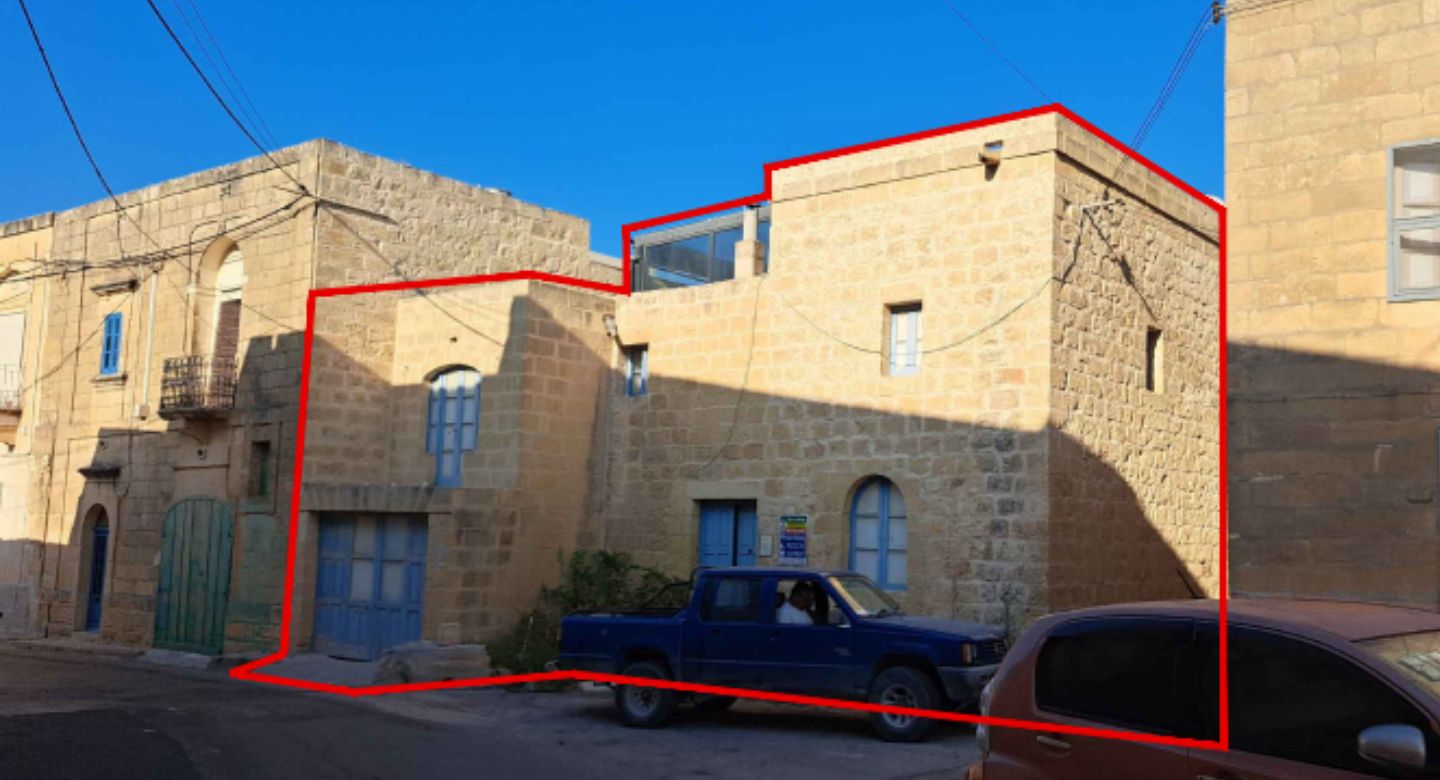
Abela seeks to double his hotel in Xewkija – 22 bedrooms, fitness centre included

Cash only: Saqqajja developer loses Farsons debt case

Malta’s hospitality boom built on €8.90-an-hour cheap labour
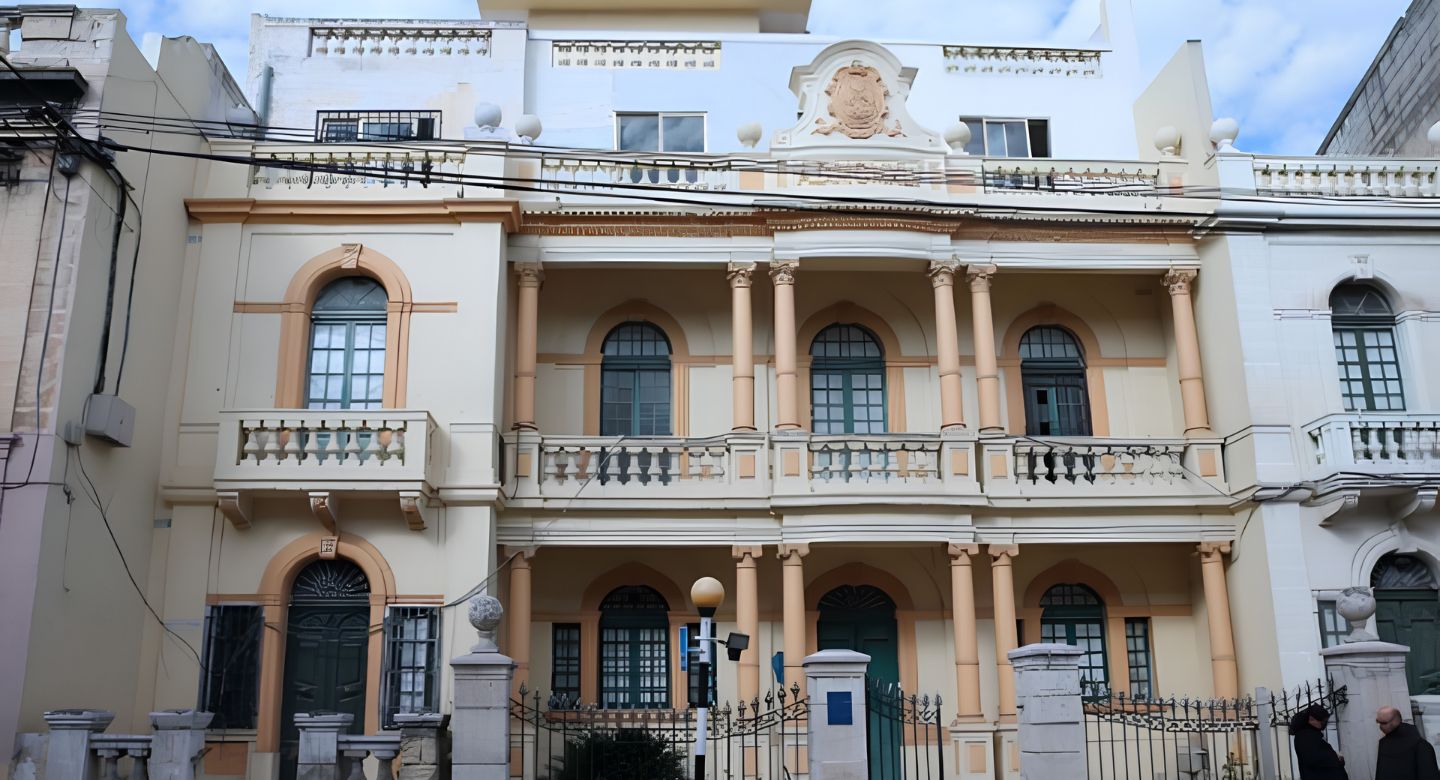
Seven years late, Villa Lauri finally opens – final bill undisclosed

Mellieha Townsend owners cry foul over ‘luxury’ homes; developer points to residents’ responsibilities

Waste agency spends €65,000 on MasterChef
