

Predictably, the first two weeks of the 2026 general elections brought an avalanche of feel-good proposals designed to tempt key demographics to extend their support for one party or another.
The governing Labour Party appears to have gone all in, announcing headline-grabbing proposals like interest-free property loans for first-time buyers, longer parental leave, free Gozo ferry trips for foot passengers residing in the sister island, and a 15% increase in student stipends, to name a few.
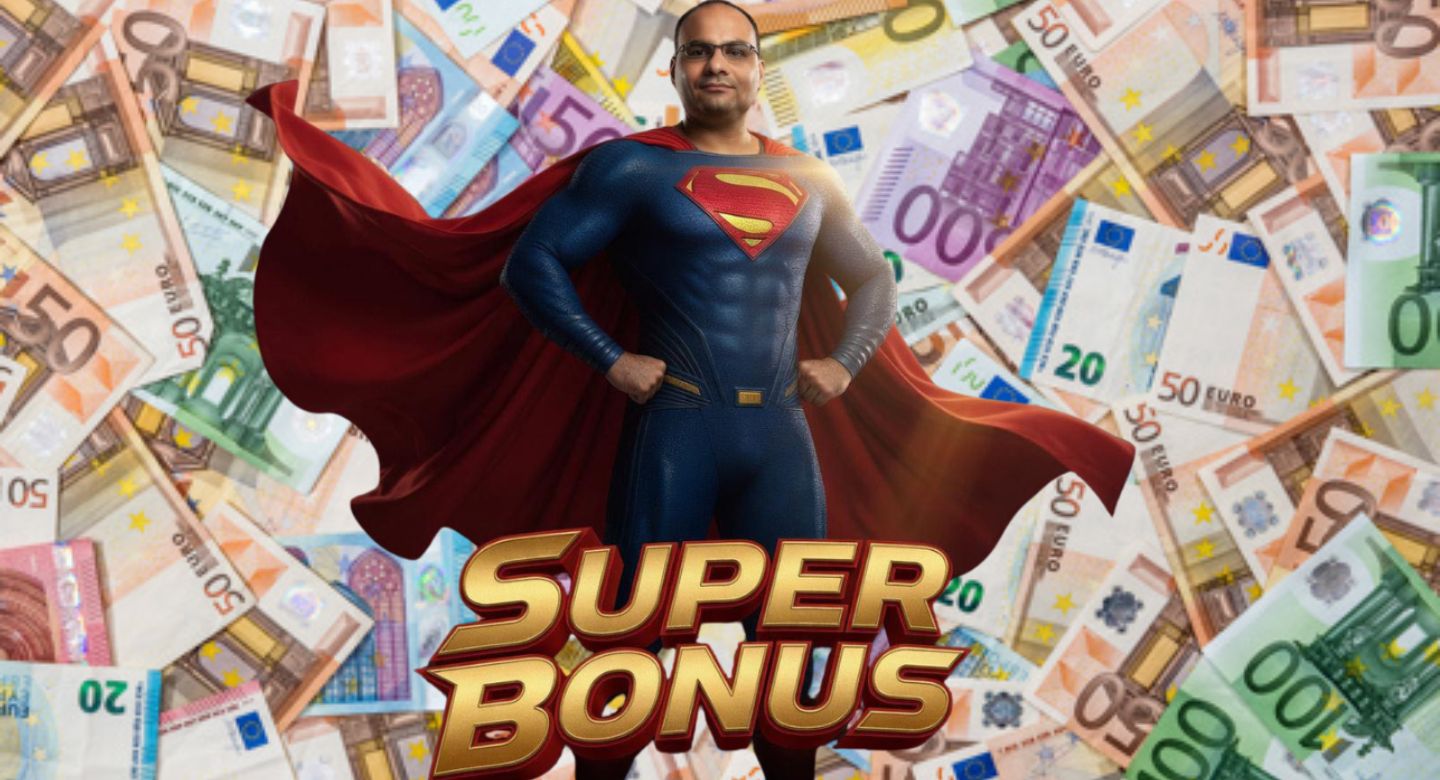
In the second week of this campaign, that approach has only intensified, as exemplified by the government’s rebranding of its contentious pre-electoral cheques as a €1,000 annual ‘super bonus’ for all workers and by its proposal to cut corporate tax by 10% for companies with an annual turnover of less than €1 million.
While the Labour administration continues to attempt to sell itself as both a free ATM and as a prudent steward of the country’s finances, it remains to be seen just how wide the gap between global financial instability and the Labour Party’s largesse will be.
Extreme mental athletics will be required to balance the party’s desire to project prosperity and security to voters with the Maltese state’s actual need to rein in uncontrolled spending, as evidenced by reports from watchdogs such as the National Audit Office.
In the meantime, the Nationalist Party is busy making its own raft of promises.
Healthcare appeared to be the primary focus of the Opposition’s proposals over the first few days of its campaign, with its proposals including new hospitals, free cancer medication, minimum wage for healthcare students, and even an oddly specific smartwatch grant for young fitness enthusiasts who would be able to submit evidence of their progress in exchange for vouchers.
In the past few days, the Nationalist Party turned its sights towards the energy sector, proposing a “petrol station in the Mediterranean” that would be moored offshore in Hurd’s Bank and is expected to generate €450 million in fossil fuel sales within three years – a project that would further cement Malta’s economic dependency on an increasingly volatile global supply chain.
At the same time, the Opposition also proposed a €60 million investment in solar panels that would be installed on government buildings, schools, and public parking spaces to offset national energy costs.
The flurry of proposals bearing price tags running into millions of euro has already prompted two separate warnings from the Chamber of Commerce and the Malta Employers’ Association, both of which have called for fiscal “restraint” and “realism” amid all the ambitious, expensive plans being announced by both major parties.
On a more general note, it appears that the launch of electoral manifestos has fully pivoted to the social media age, the digital ecosystem in which complex policy documents are destined to wither and die while brief, entertaining snippets of footage reign supreme.
Instead of racing to publish their full electoral manifesto first, as was the case during the 2022 general elections, every political party has so far released a drip-feed of proposals, often packaged together to underline a broader policy priority and maximise media exposure for each individual proposal.

As the drip-feed continues, one emergent dynamic, already visible in 2022, is now by far the most dominant thread: unbridled scepticism in the face of big promises.
While it is true that cynicism has always been palpable in Malta’s unique strain of highly partisan, emotionally driven politics, it has now solidified into a young, sizeable voter bloc that consistently refuses to embrace either the Labour Party or the Nationalist Party.
Perhaps best put by Finance Minister Clyde Caruana’s “silly season” comment, every major proposal issued by both major parties is swiftly undercut by this vacuum of trust between the electorate and the political class.
Indeed, while most will definitely welcome the prospect of new hospitals or better support for young families facing a surging cost of living crisis, more still are asking where the money and political will to finance all these big ideas have been all these years.
More to the point, both major parties seem entirely focused on providing as many economic incentives and reassurances as possible, while failing to acknowledge that the country is still reeling from over a decade (and counting) of nonstop corruption.
How can politicians be trusted to handle our institutions with care when every major deal sold to the public as a net benefit to the community comes with a hidden network of secret interests ready to profit from it?
While the Opposition’s Leader did mention the need to restore trust in public authorities and ensure the law is applied equally to everyone, his party’s crippling debt leaves the PN exposed to the same corrupt influence that the Labour Party openly enables.
In this regard, smaller parties like ADPD and Momentum have much more room to propose radical ideas that would shake up the system that both major parties are dependent on – a fact which ADPD and Momentum continuously try to highlight.
Broadly, both sets of proposals converge on the need to rebuild Malta’s planning regime, reform the FOI Act, introduce legislation to oblige officials to publicly declare their assets, vastly increase Malta’s use of renewable energy, and address key bread-and-butter issues like traffic by forcing a radical rethink of Malta’s dependence on private vehicles.
More specific examples of the smaller parties’ ability to tap into niches the major parties avoid include Momentum’s proposals to end Cabinet secrecy and enable real-time access to public spending.
On similar lines, the ADPD recently called for a living wage (around €19,000 a year) to replace the minimum wage and the dismantlement of an economic model that depends on hiring and exploiting third-country nationals.
The cynical response to major parties’ attempts to sway voters with a never-ending list of economic incentives will be an important thread to follow as the race continues to heat up, and politicians who can adapt to it accordingly only stand to gain.
Sign up to our newsletter Stay in the know
"*" indicates required fields
Caruana’s shift in a few months – from confidence to warnings


Labour Party media targets critics at least 48 times less than four weeks after general elections

Anġlu Farrugia’s greatest hits

Abela’s record cabinet creates a two-tier government
Tags
#2026 elections
#ADPD
#Alex Borg
#Clyde Caruana
#Labour Party
#Momentum
#National Audit Office
#Nationalist Party
#Partit Laburista
#Partit Nazzjonalista
#PL
#PN
#Robert Abela
Other News
Caruana’s shift in a few months – from confidence to warnings
Labour Party media targets critics at least 48 times less than four weeks after general elections
Anġlu Farrugia’s greatest hits
Abela’s record cabinet creates a two-tier government

Politics of the two-fingered salute


2026 general elections: A post mortem attempt


The winner’s burden and the loser’s advantage

Luke Dalli defies PBS ethics code while acting as Labour Party agent

Labour down in all districts as PN gains 13,500 votes – biggest swing in Gozo

Labour secures electoral victory as PN shows signs of revival


The waiting game
