
MIDI plc is expected to wind down operations, possibly as early as next year, after accepting a government agreement that effectively rescued the company from insolvency, The Shift can reveal.
The decision marks the final chapter for the beleaguered company behind the Tigné Point and Manoel Island concession, awarded in 2000.
While the winding down will allow company shareholders to recover part of their initial investment in the shares they had bought, sources indicate that this is likely to occur at a significant loss, as their shares have lost value following years of mismanagement and mounting financial pressures.
According to its latest audited accounts, MIDI plc registered a €42 million loss by the end of 2025, an exponential increase from the €3.7 million loss recorded the previous year.
MIDI has attributed the dramatic financial downturn to what it describes as the government’s “irregular” withdrawal of support for further development on Manoel Island, particularly plans to convert the site into additional residential units. According to MIDI, this impacted the company’s long-term plans and led to a downturn in its business.
At the same time, the company argued it had little choice but to accept a settlement to rescind the concession on Manoel Island, as it lacked the liquidity to repay a €50 million loan, in the form of a bond maturing in July, without risking insolvency.
The government, however, maintains that MIDI had breached its contractual obligations and was on the verge of losing the concession entirely.
Despite this, Prime Minister Robert Abela opted for an out-of-court settlement, ensuring the developer could meet its bond obligations and effectively avoiding potentially damaging financial and political fallout ahead of elections.
Under the agreement, taxpayers will pay over €47 million to regain control of Manoel Island.
Although officials had insisted that public funds would cover only verified restoration expenses, only €11.1 million of the total package is linked to restoration works.
The remaining €31 million includes €15.2 million in ground rent and premiums, €8 million in design and fees linked to the Planning Authority, €2.6 million in salaries, €1.5 million in professional services, €1.12 million in security costs, €2.5 million related to Fort Tigné, and €0.5 million in office expenses.
The figures have sparked widespread criticism, with opponents describing the deal as a taxpayer-funded “bailout” that shifts the financial burden from a struggling private developer onto the public. MIDI has denied that this is a bailout.
During an extraordinary general meeting approving the deal earlier this week, shareholders themselves criticised the agreement, warning it would result in heavy losses for investors. They also pointed to years of delays and poor execution, accusing the company’s leadership of ignoring timelines and mismanaging the project.
Some shareholders told The Shift that MIDI’s performance was so poor that it stood out as “possibly the only real estate company in Malta making losses” during a property boom.
The deal also represents a sharp political U-turn by Robert Abela.
As recently as 2024, he had defended the concession, warning that cancelling it could expose taxpayers to liabilities running into hundreds of millions. Months later, amid growing public pressure to turn Manoel Island into a national park, he changed course and committed to reclaiming the site.
Now, while the government is presenting the agreement as a victory that returns public land to the people, many argue the agreement allows MIDI to exit a failed project with much of its costs covered, while taxpayers are left footing the bill and financing the island’s future redevelopment.
Sign up to our newsletter Stay in the know
"*" indicates required fields

Turkish bank fails to lift €25 million security tied to Shoreline’s dispute
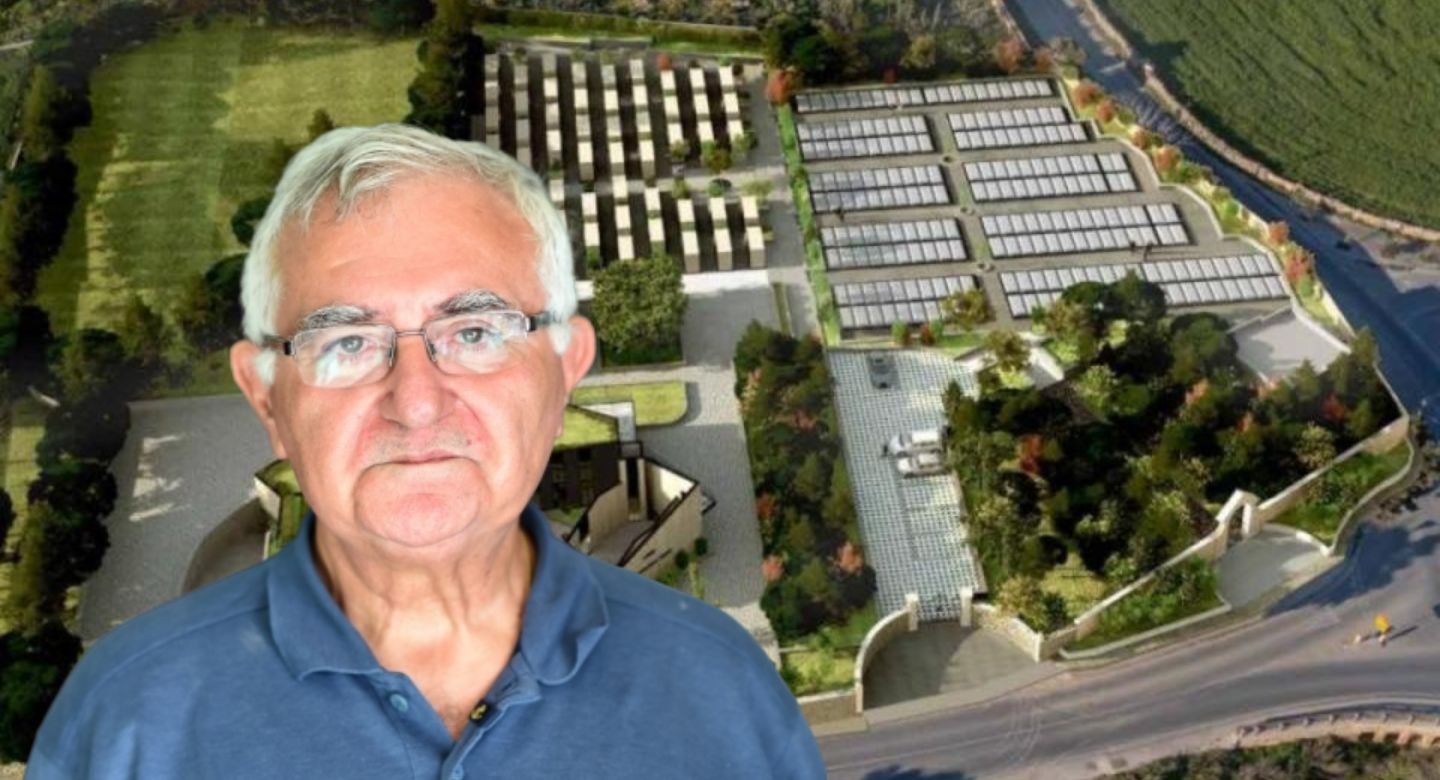
Controversial crematorium is in John Dalli’s ‘back garden’ – ERA missing in action


Doctors demand halt to health centre testing before further talks

Malta last in EU Parliament attendance rankings
Tags
#bailout
#Clyde Caruana
#Manoel Island
#Midi plc
#taxpayers
#Tigne
Other News
Turkish bank fails to lift €25 million security tied to Shoreline’s dispute
Controversial crematorium is in John Dalli’s ‘back garden’ – ERA missing in action
Doctors demand halt to health centre testing before further talks
Malta last in EU Parliament attendance rankings

One in four licensed short lets concentrated in St Paul’s Bay and Sliema

Bonnici hails progress at housing project caught in crisis that sank Galdes

Employers slam Clyde Caruana’s cheap talk
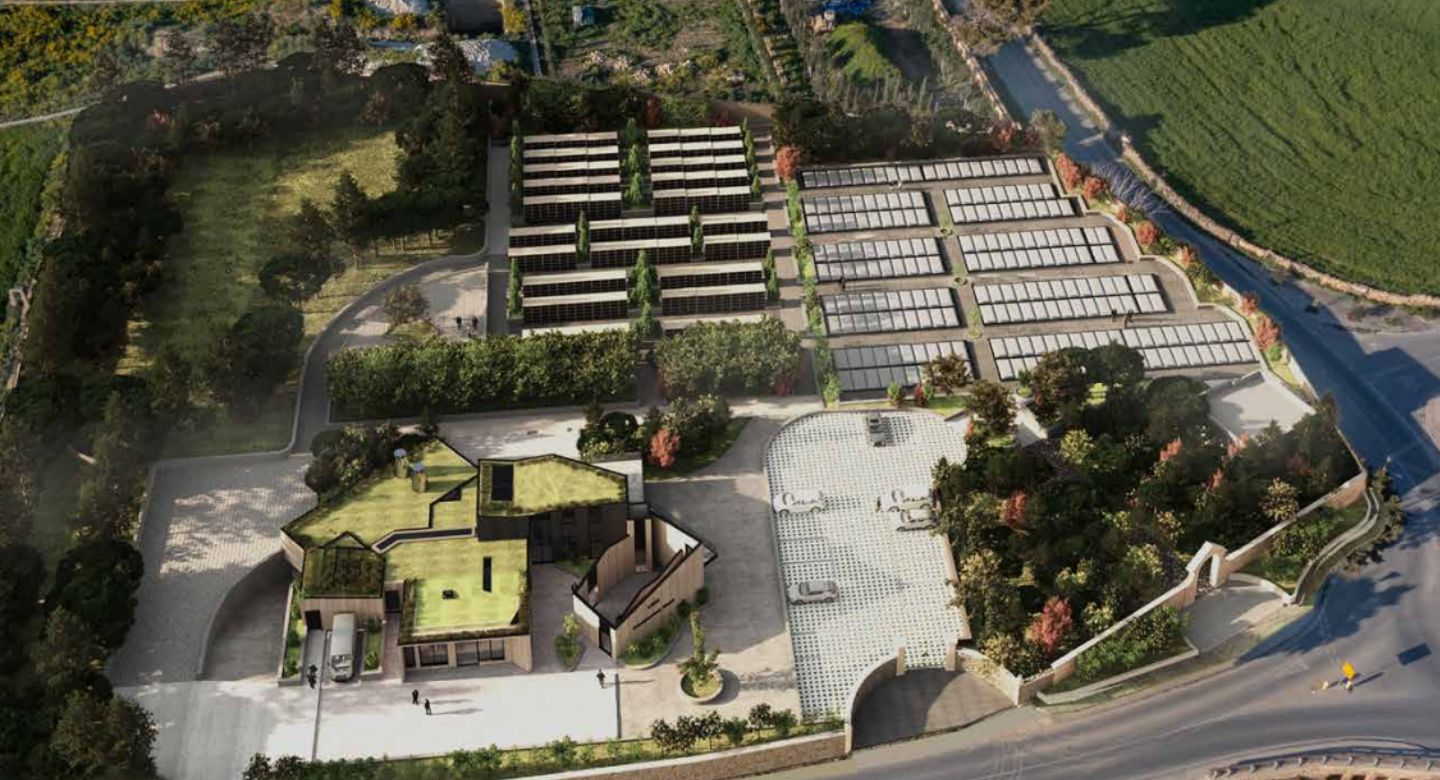
PA’s handling of rival crematorium applications raises a stink

Super CEO’s wife seconded to Mater Dei top job

Caruana again dodges questions over KM Malta’s finances as airline in dire straits

Another chairmanship for the Mizzis as Byron Camilleri appoints Antonio