

Malta’s latest mention in the Liberties Media Freedom Report 2026 exposes how the government continues to sell procedural tinkering as reform while avoiding the hard results that matter.
The report, produced by the Civil Liberties Union for Europe, states that independent institutions, transparent public spending, protection for journalists, and a credible record of accountability remain far off, though it acknowledges some of the government’s tiny steps toward implementing recommendations that have been gathering dust for years.
One example is that Malta has set up an Office for Advertising and the Media as part of its implementation of the European Media Freedom Act. The office is meant to oversee state advertising and media transparency and has the power to request ownership details, contracts and financial records from media operators.
However, the report also notes that information on indirect state subsidies to media outlets through government advertising and sponsorships remains publicly unavailable, and there is no legislation regulating the process.
The same applies to public broadcasting. The report notes that changes intended to improve PBS’s governance and editorial independence have not been felt since their implementation in August 2025.
The CEO of PBS must now be selected through a public call, but the law still does not provide transparency into the appointment of the chairperson and the management board, and the Board of Directors remains appointed by the Prime Minister.
PBS also came under fire last year when its line-up for programming featured presenters closely linked to the Labour Party.
The government’s anti-SLAPP reforms are equally inadequate. Malta has transposed the EU Anti-SLAPP Directive, but the report states that the law is limited to the bare minimum, excludes domestic cases, and caps penalties against abusive plaintiffs at €10,000, a sum unlikely to deter wealthy individuals or large corporations.
This failure is not limited to the legal dimensions it inhabits but also seeps into the day-to-day operations of independent newsrooms.
Prime Minister Robert Abela continues to defend his position in a libel case brought by The Shift after he claimed that “90%” of the newsroom’s reporting was false.
In court, Abela’s lawyer has now attempted to force The Shift to disclose its donors and contributors, but the newsroom has refused to reveal the identities of its individual donors, as such a move would effectively cripple its community-driven model.
The same gap between rhetoric and results appears across the rule of law. The European Commission’s 2025 country report said Malta had developed new tools to reduce the length of investigations into high-level corruption, but “a robust track record of final judgments has not yet been achieved”.
It also recorded no progress in strengthening safeguards for journalists or in enhancing the independent governance and editorial independence of public service media.
The 2026 Liberties Rule of Law Report showed the same picture. Malta has moved from stagnation to active decline, with no progress across the justice system, anti-corruption framework, media environment and checks and balances. Abela’s attacks on journalists and judges were cited as examples of that regression.
Eight years after Daphne Caruana Galizia’s assassination, Malta’s media environment remains subject to political pressure, a public broadcaster that remains under government control, opaque state advertising, anti-SLAPP legislation, and not a high-level conviction in sight.
You can read the full 2026 media freedom report here.
Sign up to our newsletter Stay in the know
"*" indicates required fields
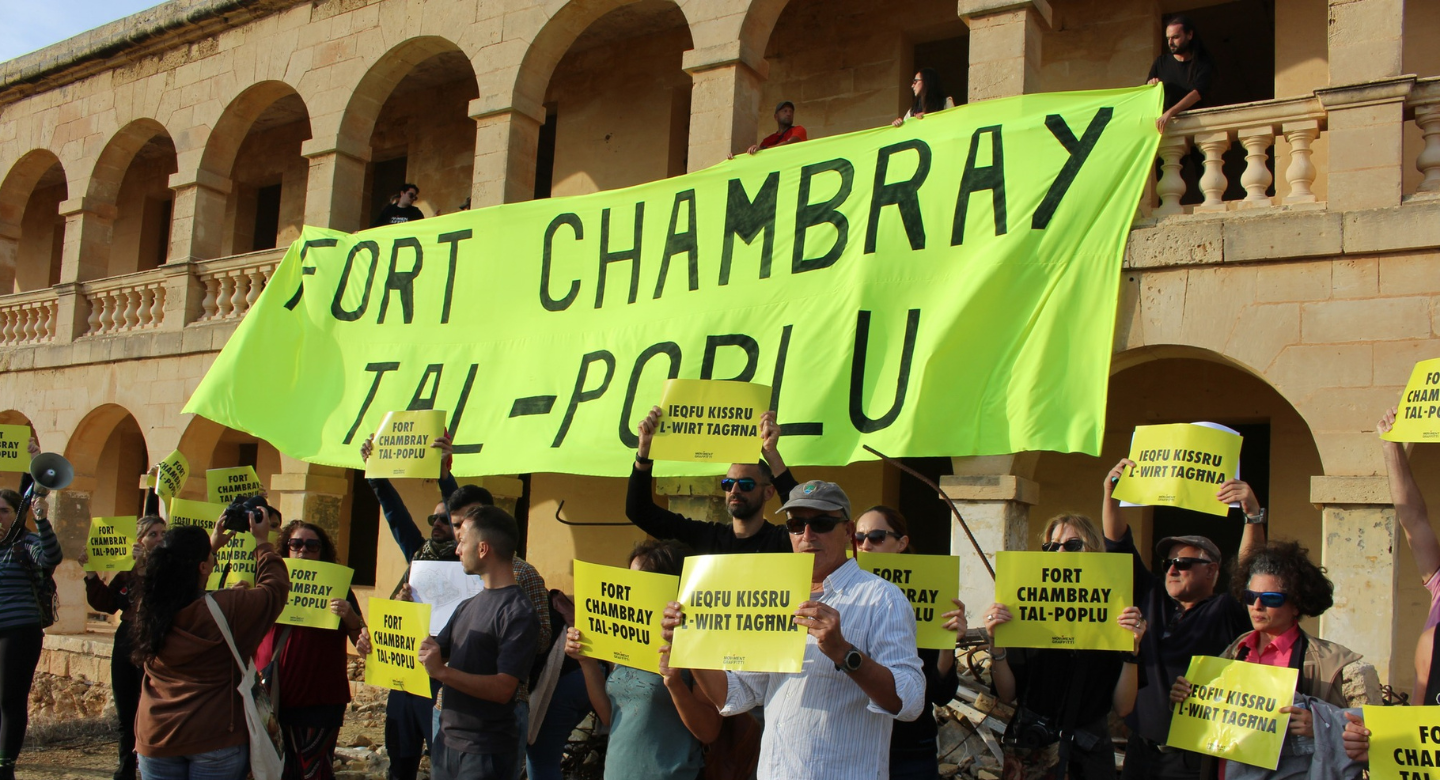
Government makes U-turn on Chambray, leaves protection and public access unclear


Dalli’s trusted aide leaves regulator after clash over interference

Dripping poison


Rare PL-PN unity as Siġġiewi vows to stop crematorium

Tags
#Anti-SLAPP directive
#Daphne Caruana Galizia
#daphne foundation
#European Media Freedom Act
#Liberties
#Office for Advertising and the Media
#PBS
#Robert Abela
#The Shift News
Other News
Government makes U-turn on Chambray, leaves protection and public access unclear
Dalli’s trusted aide leaves regulator after clash over interference
Dripping poison
Rare PL-PN unity as Siġġiewi vows to stop crematorium

MeDirect rejects bond disclosure allegations, warns Vaswani of damages claim
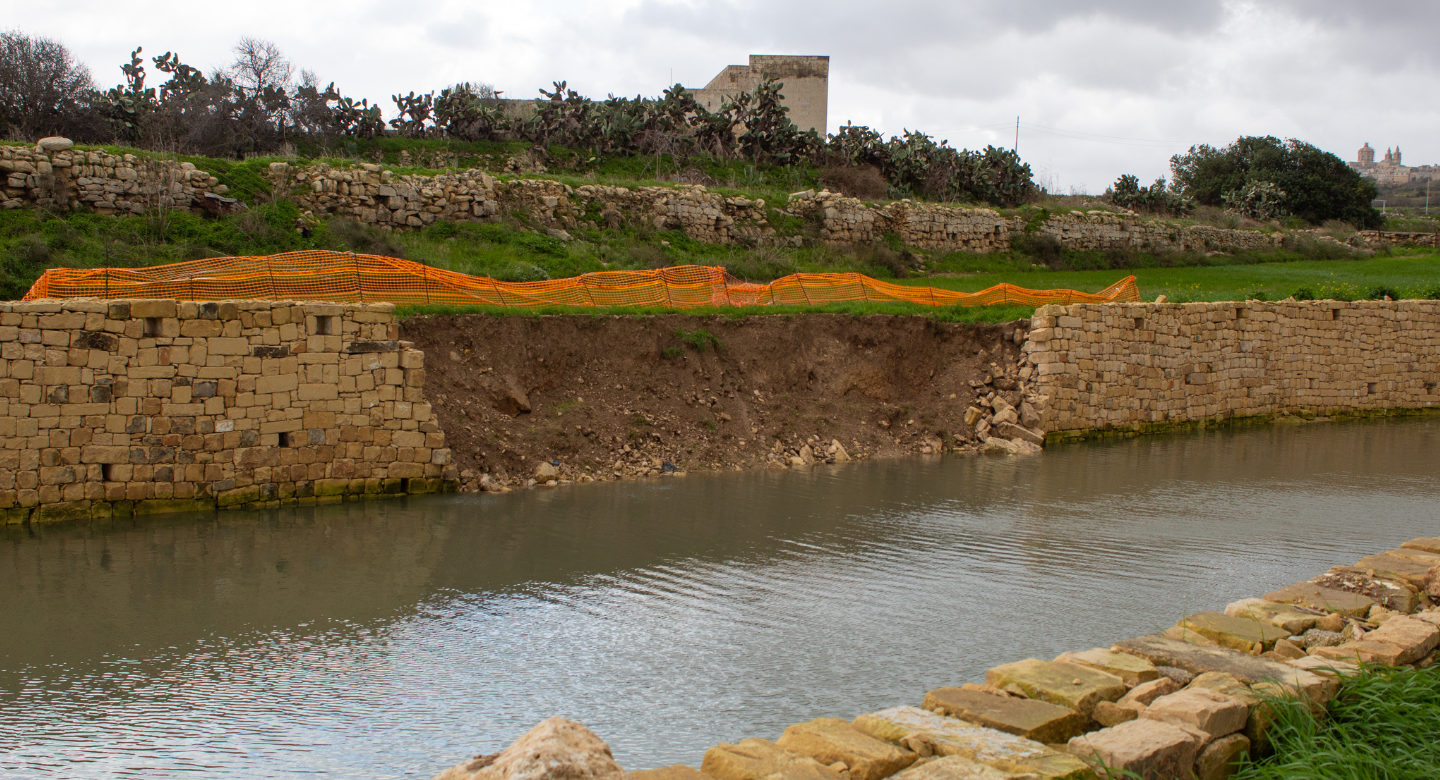
Dalli finds the culprit of Wied Speranza: water in a valley

Pama directors’ bonuses rise 21% as operating profit falls
Clyde Caruana livid as Lydia crosses the line

Minister ordered to appoint Luke Dalli as PBS deputy chairman

Kurt Farrugia ‘forgot’ to publish direct orders

Malta increases its dependency on imported electricity as population surges
