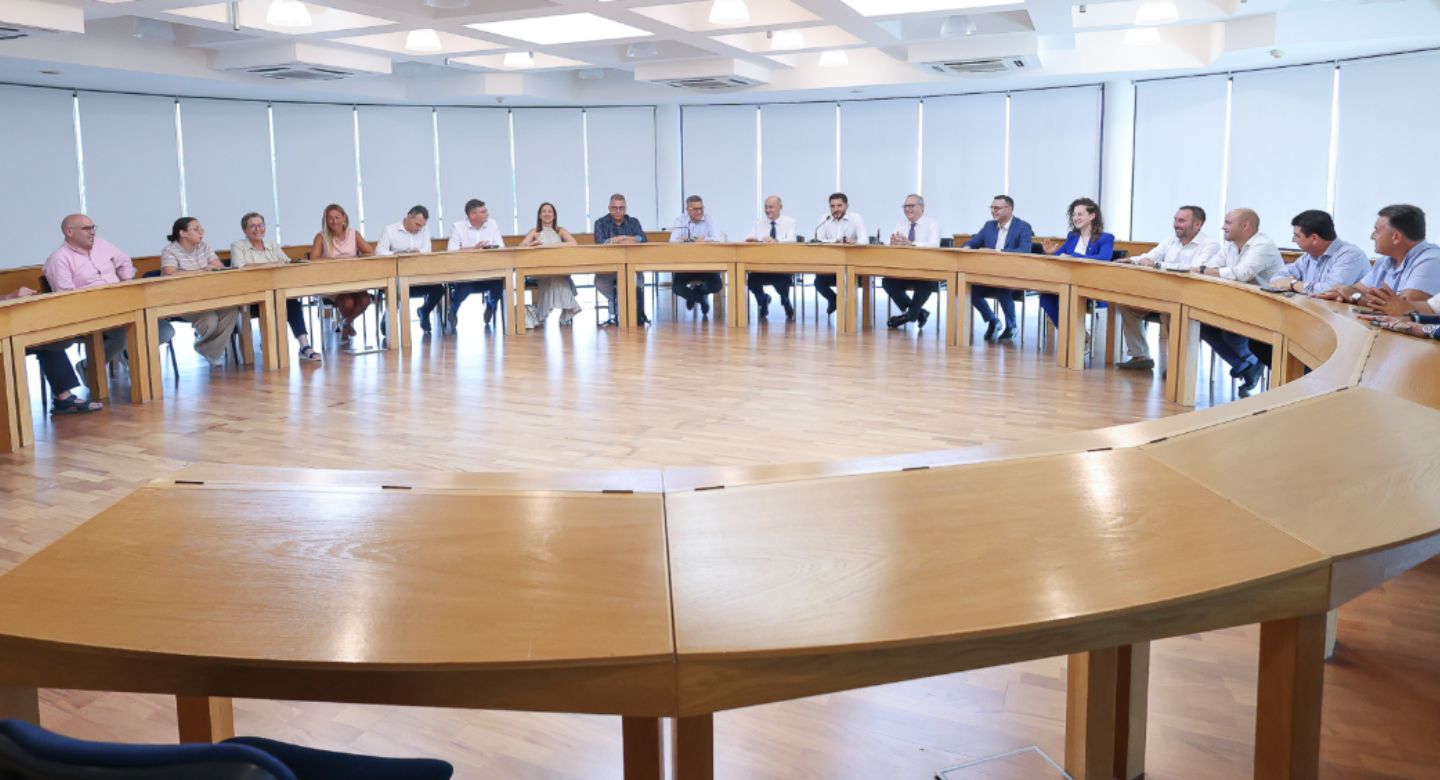

New income figures obtained and analysed by The Shift from 2024 income tax declarations show that a majority of Opposition MPs are financially better off remaining where they are rather than moving into government, as the job would entail a significant pay cut.
An example is MP Mario de Marco, a long-standing figure within the PN and a lawyer by profession. De Marco declared earnings of nearly €400,000 in 2024, close to seven times the salary of a minister, currently set at around €62,000.bHis is not an isolated case.
Several Opposition MPs, all part-time politicians maintaining full-time professional careers, reported six-figure incomes in 2024.
Scroll left on right on table for more information.
Among them are accountant and businessman Graham Bencini, criminal lawyer Joe Giglio, podiatrist Ian Vassallo, lawyer Beppe Fenech Adami, engineer Ryan Callus and Albert Buttigieg.
The data paints a stark picture: more than half of PN MPs in Opposition are earning significantly more than the ministers and parliamentary secretaries tasked with running the country.
On average, the median income declared by PN MPs stood at €77,000 in 2024, comfortably above that of the prime minister, whose official declared earnings hover around €65,000.
Even within the Opposition’s own ranks, disparities are evident.
PN leader Alex Borg is among the least financially resourced MPs, declaring around €45,000, including his parliamentary honorarium.
At the lower end, MPs Bernice Bonello and Eve Borg Bonello reported the lowest incomes, both having entered parliament through the gender corrective mechanism. They declared that they had no job except their parliamentary party-time position.
Y,et the broader trend is unmistakable. Opposition MPs, free from executive responsibility and able to maintain private careers, are, on paper, more financially secure than those entrusted with ministerial decision-making.
The issue of increasing payments to politicians, particularly those entrusted with running the country, has been ongoing for decades without resolution.
A limited exercise undertaken by the PN administration to ensure that members of Cabinet would also receive their parliamentary honorarium ultimately backfired. The Labour Party in opposition cried foul, turning the issue into a political storm. The manner in which the PN introduced these changes also attracted significant criticism.
Despite repeated promises of a comprehensive overhaul of Malta’s political system and meaningful constitutional reform, no substantial action has been taken. As a result, the system remains entrenched in outdated practices.
The issue is not confined to the Opposition. Parallel data published by The Shift on government MPs reveal a similar and equally troubling pattern within the governing Labour Party ranks.
Backbenchers and part-time MPs often out-earn ministers, including the Prime Minister.
In a labour market where senior executives in the private sector can command salaries exceeding €100,000, Malta’s political remuneration framework appears increasingly detached from economic reality, and the consequences are already visible.
As salaries across the private and public sectors rise, politics becomes a less attractive path for individuals without independent wealth or substantial external income streams. This, in turn, raises concerns about the quality and independence of political candidates, as well as the potential for conflicts of interest.
Sign up to our newsletter Stay in the know
"*" indicates required fields

Two managers for every three administrative staff at the BCA


Labour president handed embryo regulator’s top job amid conflict-of-interest concerns

Where are the Moroccans? Outside Glenn’s job description
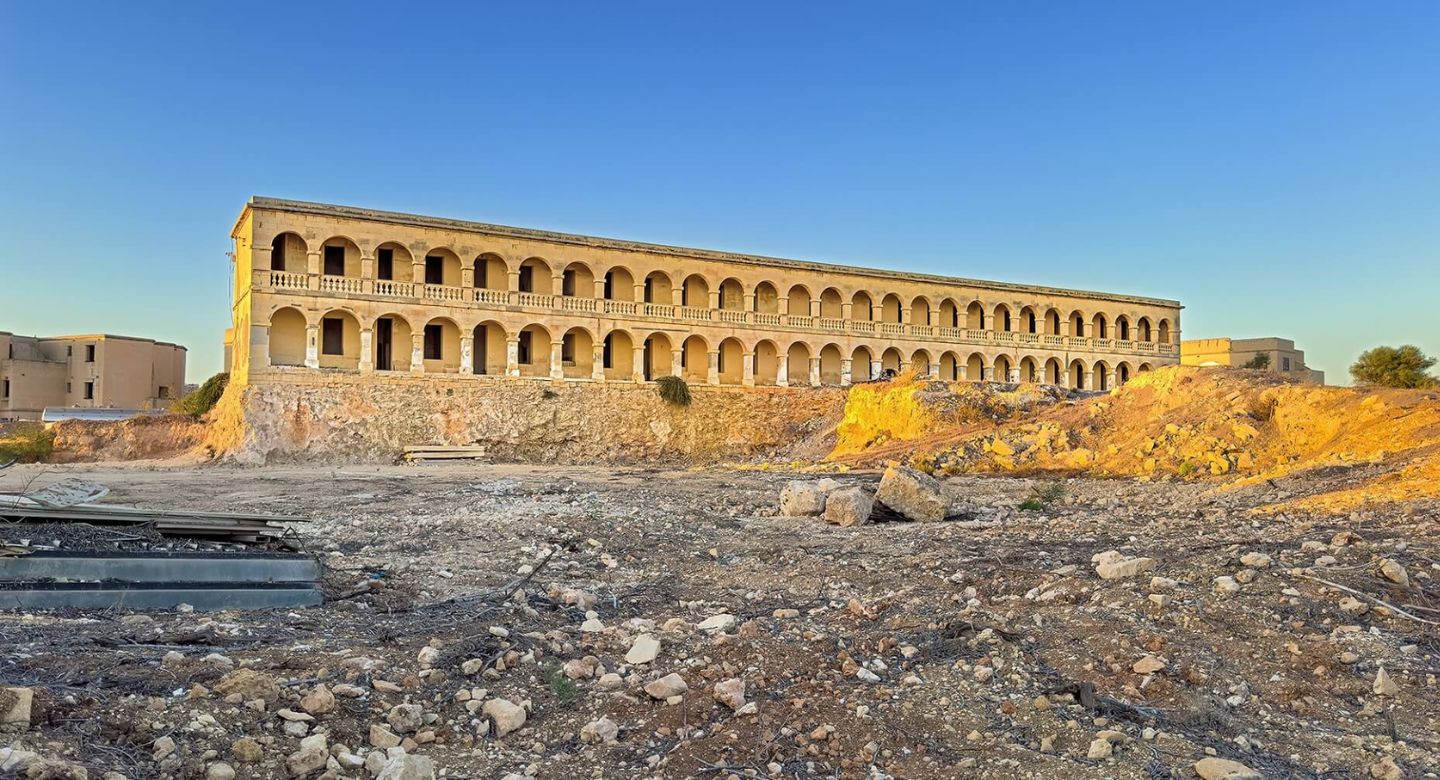
Fort Chambray decision is not enough – NGOs
Tags
#Corruption
#inbalance
#Mario De Marco
#Ministers
#PN MPs. declared income
#sleaze
Other News
Two managers for every three administrative staff at the BCA
Labour president handed embryo regulator’s top job amid conflict-of-interest concerns
Where are the Moroccans? Outside Glenn’s job description
Fort Chambray decision is not enough – NGOs
Regulator rejects BOV’s nomination for top risk post
Terminated Housing Authority contractor formed company months before €6.5m Siġġiewi contract
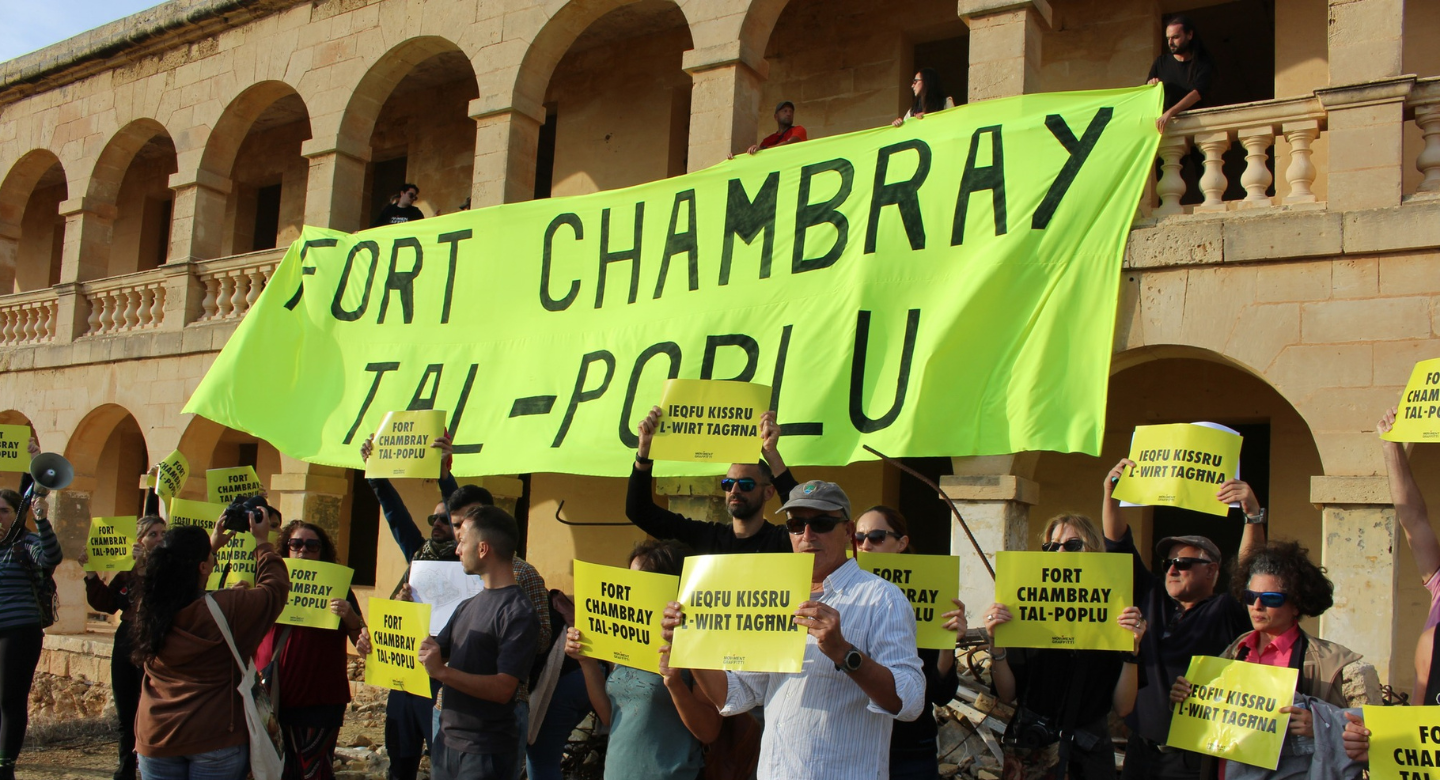
Government makes U-turn on Chambray, leaves protection and public access unclear

Dalli’s trusted aide leaves regulator after clash over interference

Dripping poison


Rare PL-PN unity as Siġġiewi vows to stop crematorium

MeDirect rejects bond disclosure allegations, warns Vaswani of damages claim
Good for them. Dr De marco is a gentleman and i am delighted to see him faring so well. he ought to have been treated far better over the years.
But, but, can you state that the difference earning power between mps in opposition and mps in government, especially ministers is authentic? I do not think so. They declare what is good to see. The ministers never declare what most people do not see or don’t want to see.
This was one of the angles that Daphne was looking at in the summer of 2017.
If opposition members feel that they are better off in opposition, that leads to a sham opposition and a sham democracy.