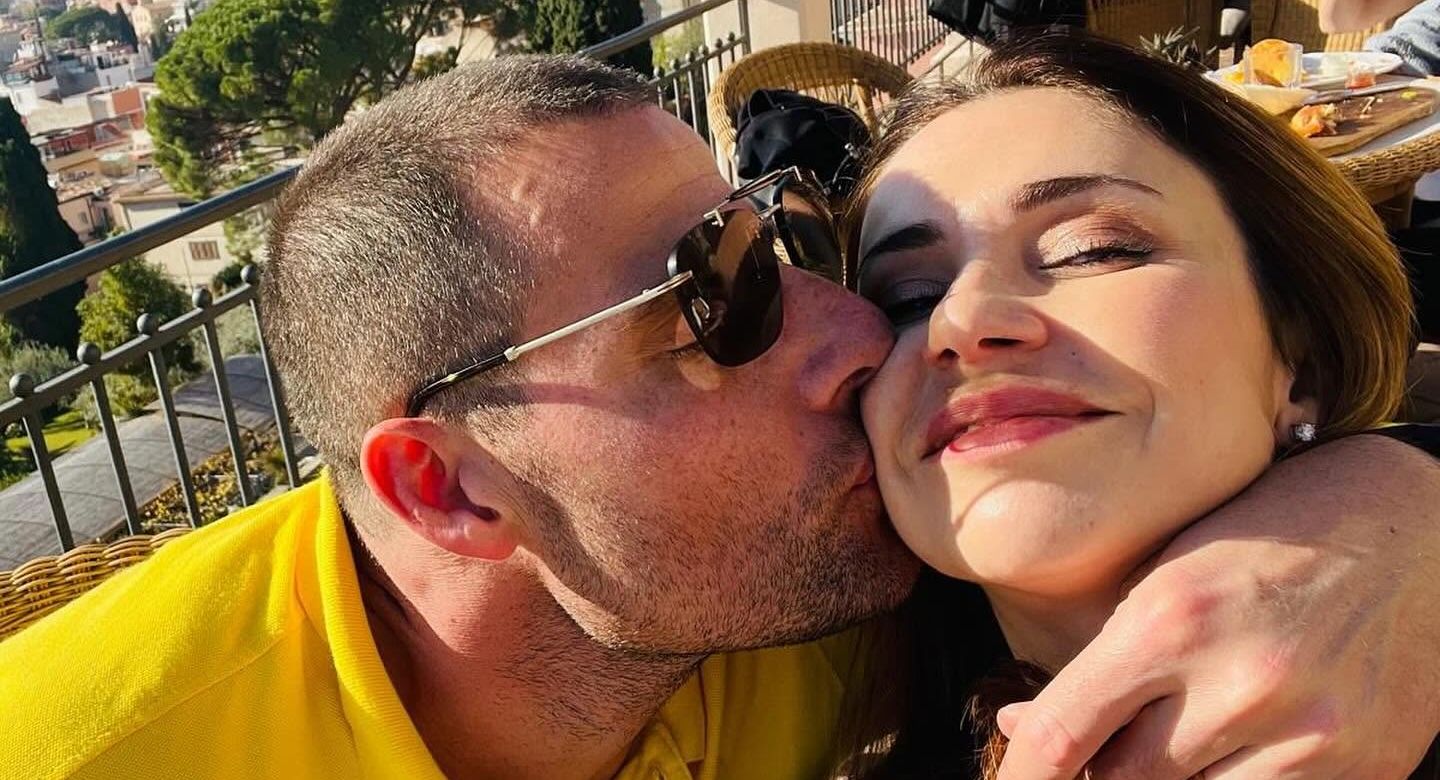
In a scathing 95-page judgment, Magistrate Claire Stafrace Zammit described how, in the criminal case on the involuntary homicide of 17-year-old Matthew Bartolo, “the Occupational Health and Safety Authority (OHSA) and the prosecution were not synchronised” in their joint investigation.Bartolo died on the job while working at Construct Furniture, but the company has refused to accept responsibility. The circumstances were never clarified by the only witness who was present at the time of the tragic incident.
The judgement, handed down on Monday and only fining the majority shareholder €7,000, was made available in full on Tuesday. It outlines the lack of coordination between the police and the OHSA in great detail.
“The court is greatly displeased to note that, in spite of the fact that despite the years that have passed, it still does not have a clear picture of what happened in that unfortunate accident which claimed the life of a person who’d just begun living,” the magistrate noted, underlining the last two words.The family has followed up by submitting a judicial protest on Wednesday, submitted by lawyers Kris Busietta, Jason Azzopardi and Alessandro Farrugia.The prosecution’s failure
Referring to “disagreements” (battibekki) between police officers and OHSA officials while testifying, the court explicitly stated that it “hopes that these two entities are now working together more peacefully for the betterment of society.”
The prosecution charged three persons with a total of 11 offences linked to Bartolo’s death: Construct Furniture director and primary shareholder John Agius, floor manager Amanda Cefai, and foreman James Cefai.
Out of those 11 charges – the most significant of which was for involuntary homicide – the prosecution managed to prove just one: that Agius, in his role as the employer, failed to ensure that an adequate risk assessment was carried out before employing a 17-year-old with no experience in “a very high risk” environment.
Besides failing to prove involuntary homicide, the prosecution also failed to prove criminal negligence, a failure to ensure adequate health and safety precautions, a failure to keep detailed records, a failure to carry out systemic evaluations of risk and safety, falsification of signatures on training sheets and attendance registries, making false declarations to the authorities, knowingly providing false documents as evidence, and tampering with evidence.
The court noted that Agius failed to ensure that Bartolo would be adequately protected against all risks arising from the evaluation (which should have occurred before his employment) and failed to submit Bartolo for medical exams before employing him.
Due to the prosecution’s failure to prove their grounds for all other charges beyond any reasonable doubt, Agius walked away from an involuntary homicide case with a €7,000 fine. Amanda and James Cefai were declared innocent, also due to a lack of evidence.
Police, OHSA blunders

To prosecute Agius and the other defendants with involuntary homicide, the court argued that the prosecution had to successfully prove that Agius and the other defendants failed to “keep their employees away from any danger in the workplace.”
In its conclusions, the court noted how court expert Joseph Zammit examined the wood-cutting machine that took Bartolo’s life and excluded the possibility that the accident occurred because of “any electronic, mechanical or electrical damage in the machine or any parts of the machine.”
However, another engineer consulted during the magisterial inquiry preceding the criminal case, Ray Spiteri, had previously pointed out that an inspection report carried out on behalf of the company was “weak.”
This report, compiled by engineer Nicholas Bellizzi, failed to highlight a lack of adequate on-site protection, with Spiteri noting that there should have been a “wrap-around barrier” around the machine to avoid anyone coming into contact with “a very high risk” space.
“The lacking features on the machine are of an occupational health and safety nature. With a bit of attention, this kind of accident could have been avoided if the risk assessment and inspections were carried out properly,” Spiteri concluded.
Given that the court was satisfied that the company’s director had followed Bellizzi’s instructions, the magistrate argued that it “could not understand how the prosecution, along with the OHSA, did not take into account Spiteri’s conclusions also to prosecute Nicholas Bellizzi.”
The court’s observations about how the prosecution decided who to charge with involuntary homicide were even more damning.
“Even here, the expert appointed by the inquiring magistrate had an opinion which was very different from the prosecution’s in relation to who is to answer for this tragic death, and it was clear that there was total confusion about who should be held criminally responsible for this tragedy,” the court stated.
One reason the case has been ongoing for a decade is that the police and the OHSA decided to launch a separate criminal case against the only other employee on the factory floor who was working on the same machine Matthew was using before the accident.
The case was filed just before the criminal case against the company’s management. While it came to a close, it took an additional four years to be decided on appeal, which eventually led to that employee’s exoneration. While that took place, the criminal case against the directors was put on hold.
Because of all these deviations from the magisterial inquiry’s original findings and a failure to decisively assign criminal responsibility, the presiding magistrate could not find the accused guilty of involuntary homicide.
The court also lamented that the prosecution failed to prove that the employers knowingly falsified Bonello’s employment documents and failed to provide testimonies attesting to how Agius’ alleged criminal behaviour in this case constituted recidivism.
‘Matthew’s life has been taken away twice over’

The judicial protest filed by Bartolo’s parents this week seeks to immediately hold the authorities responsible, as well as the individuals involved on a personal basis, for the damages suffered by the family.
Speaking to The Shift, the lawyers for the Bartolo family said “the victim’s family was devastated.”
“After eight long years of judicial proceedings, we are faced with incontrovertible evidence of various shortcomings by design by the Police and the OHSA which contributed to the accused’s acquittal,” he added.
The family’s lawyer further noted that in 2018, they had filed a judicial protest on behalf of the victim’s family against the state’s institutions, naming the police, the OHSA, the attorney general, the minister for social dialogue, and the minister for home affairs.
“In 2018, in the judicial protest we had filed on behalf of the family, we had already stated that there was disorganisation and a serious lack of communication between the police commissioner and the OHSA, and that this was consequently prejudicing the compilation of evidence to the detriment of the Bartolo family’s judicial interests,” Busietta explained.
At the time, the OHSA had totally dismissed the family’s claims, which Monday’s court judgement has effectively vindicated.
Now, the family says they will file judicial proceedings against the same state entities mentioned above in their latest attempt to hold institutions accountable for the damages they suffered.
“Matthew Bartolo’s life has been taken away twice over, once tragically and now due to various shortcomings as confirmed by the court,” the lawyer said.
Sign up to our newsletter Stay in the know
"*" indicates required fields
Where are the Moroccans? Outside Glenn’s job description

Fort Chambray decision is not enough – NGOs

Regulator rejects BOV’s nomination for top risk post
Terminated Housing Authority contractor formed company months before €6.5m Siġġiewi contract
Tags
#Amanda Cefai
#Attorney General
#Construct Furniture
#James Cefai
#John Agius
#Joseph Zammit
#Kris Busietta
#Labour Party
#Luqa
#malta police force
#Matthew Bartolo
#Nicholas Bellizzi
#OHSA
#Partit Laburista
#PL
#Ray Spiteri
Other News
Where are the Moroccans? Outside Glenn’s job description
Fort Chambray decision is not enough – NGOs
Regulator rejects BOV’s nomination for top risk post
Terminated Housing Authority contractor formed company months before €6.5m Siġġiewi contract
Government makes U-turn on Chambray, leaves protection and public access unclear

Dalli’s trusted aide leaves regulator after clash over interference

Dripping poison


Rare PL-PN unity as Siġġiewi vows to stop crematorium

MeDirect rejects bond disclosure allegations, warns Vaswani of damages claim
Dalli finds the culprit of Wied Speranza: water in a valley

Pama directors’ bonuses rise 21% as operating profit falls