
The Swieqi Local Council has once again renewed its call for the government to acquire land adjacent to the council’s civic centre, describing the locality’s lack of open spaces and public facilities as “suffocating” for residents.
For the past 13 years, the council has been lobbying successive governments to purchase the remaining undeveloped land near its offices. The proposal, put forward repeatedly, seeks to establish a public square at street level and, beneath it, a regional Art and Culture Centre.
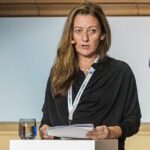
Swieqi Mayor Noel Muscat told The Shift the project would provide much-needed relief in a town struggling with overdevelopment, rising population density and a chronic shortage of community facilities.
Muscat said the council’s appeals have consistently fallen on deaf ears despite meetings with senior government figures: “I have spoken to numerous ministers and parliamentary secretaries, including the Prime Minister, in January 2024.”
“A meeting was also held with Minister Miriam Dalli last February. We have been repeating the same request for over a decade, but we are still going round in circles and being ignored.”
The Mayor argued that Swieqi’s rapid urbanisation has not been matched by investment in infrastructure or social amenities.
“Swieqi lacks open spaces, has no public land, and receives absolutely no assistance from the state,” he said. “We have no social housing, no state schools, no facilities for the elderly, no sports complexes. The overdevelopment has led to overpopulation, and we desperately need this open space.”
When Project Green was launched in 2022, the government initiative pledged to expand access to open spaces, with ministers stating that the government was prepared to purchase or lease land to achieve this aim.
Muscat said the announcement initially raised hopes that Swieqi’s requests might finally be addressed. “When Project Green was announced, they said they were even prepared to buy land or rent land to form open spaces. I thought that this was perfect for our request. Yet nothing has happened.”
The Mayor’s concerns reflect a wider tension in Malta between development and community needs. Swieqi, once a small residential town on the periphery of St Julian’s, has grown into one of the island’s most densely populated localities.
With a registered population of approximately 16,000, the area has seen a surge in apartment blocks, commercial outlets and traffic. The council argues that this expansion has far exceeded the locality’s carrying capacity.
“The density is stifling and suffocating,” Muscat told Minister Dalli in their February meeting, according to minutes seen by The Shift. “There is no balance between the number of residents and the amount of open space. Apart from a few small public gardens and playing fields, the community has nowhere to gather; nowhere to breathe.”
Swieqi’s civic centre, built under a previous Nationalist Party administration, is currently the town’s main community hub. Council officials believe the proposed square and cultural centre adjacent to it would not only provide residents with public space but also serve as a regional venue for art, music and cultural activity.
They argue that this would help foster a stronger sense of community while offering alternatives to the heavily commercialised entertainment zones in neighbouring St Julian’s and Paceville.
Despite these arguments, no concrete commitments have been forthcoming from the government. Asked whether the council had received feedback from ministers, Muscat said responses have been limited to expressions of acknowledgement, rather than promises of action.
“We are constantly told that our concerns are understood,” he said. “But understanding is not enough when the locality is bursting at the seams. What we need is action.”
The local council maintains that the acquisition of the adjacent land represents one of the last opportunities to create a meaningful public space in Swieqi. With development pressures continuing and land scarcity intensifying, officials fear that the window to secure the site is closing rapidly.
The council has pledged to continue pressing the government to act, describing the project as not only a local but a regional necessity.
“Swieqi has been left without the most basic facilities that other localities take for granted,” Muscat said. “This project is the least the government could do to correct that imbalance.”
Sign up to our newsletter Stay in the know
"*" indicates required fields
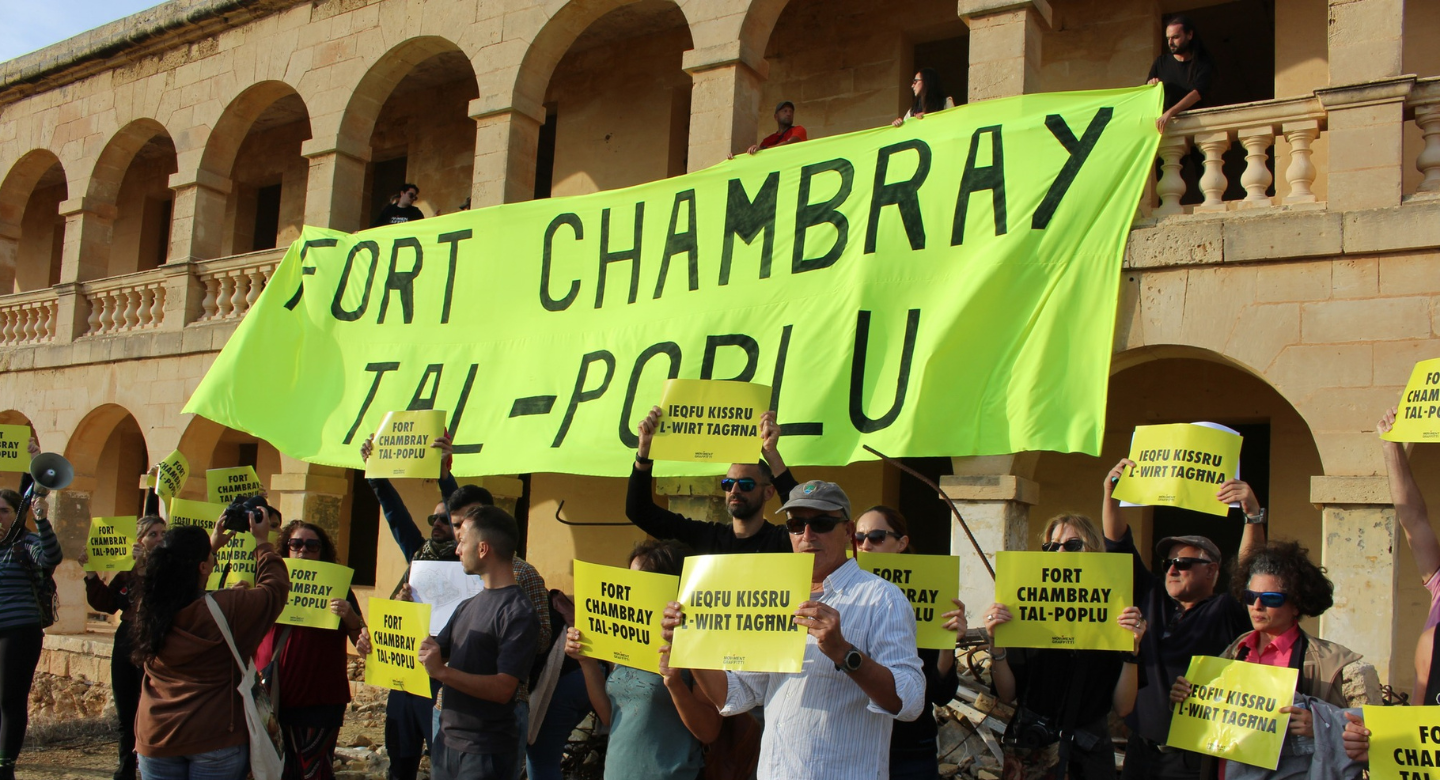
Government makes U-turn on Chambray, leaves protection and public access unclear


Dalli’s trusted aide leaves regulator after clash over interference

Dripping poison


Rare PL-PN unity as Siġġiewi vows to stop crematorium
Tags
#community centre
#Project Green
#Swieqi
Other News
Government makes U-turn on Chambray, leaves protection and public access unclear
Dalli’s trusted aide leaves regulator after clash over interference
Dripping poison
Rare PL-PN unity as Siġġiewi vows to stop crematorium

MeDirect rejects bond disclosure allegations, warns Vaswani of damages claim
Dalli finds the culprit of Wied Speranza: water in a valley
Pama directors’ bonuses rise 21% as operating profit falls
Clyde Caruana livid as Lydia crosses the line

Minister ordered to appoint Luke Dalli as PBS deputy chairman

Kurt Farrugia ‘forgot’ to publish direct orders

Malta increases its dependency on imported electricity as population surges
