
Malta relied more heavily on imported electricity in 2025, with almost a third of its supply coming from abroad as electricity requirements continued to grow as the population swelled.
The latest National Statistics Office figures published show that net imports accounted for 32.1% of electricity supplied, compared with 31.1% in 2024. The share supplied by local power plants fell from 58.1% to 56.5%.
Imports through the Malta-Sicily interconnector reached 1,031 gigawatt-hours, an increase of 6.2%. Total electricity supplied rose by 3.2% to 3,207.1 gigawatt-hours, while gross production from local power plants increased by just 0.5%.
The increase follows a much sharper rise in 2024, when electricity imports grew by 49.7% and local power-plant production declined by 8.7%.
Renewables provided some relief. Their output increased by 8.1% in 2025, taking their contribution to 11.3% of electricity supplied. Solar panels generated almost all renewable electricity.
However, that growth did not prevent imported electricity from taking a larger share of the country’s supply.
Summer remained the busiest period.
Maximum electricity demand reached 637 megawatts in July 2025, compared with 593 megawatts in July 2024. These figures measure the highest demand at a particular moment, rather than the amount consumed throughout the month.
The changing balance puts greater importance on the interconnector as part of Malta’s electricity supply.
They also do not measure the reliability of the distribution network, which is increasingly resulting in frequent power cuts.
Emissions from fuel burned in Malta’s power plants fell by 2.4% in 2025.
Sign up to our newsletter Stay in the know
"*" indicates required fields

Turkish bank fails to lift €25 million security tied to Shoreline’s dispute
Controversial crematorium is in John Dalli’s ‘back garden’ – ERA missing in action


Doctors demand halt to health centre testing before further talks

Malta last in EU Parliament attendance rankings
Tags
#electricity
#generation
#interconnector
Other News
Turkish bank fails to lift €25 million security tied to Shoreline’s dispute
Controversial crematorium is in John Dalli’s ‘back garden’ – ERA missing in action
Doctors demand halt to health centre testing before further talks
Malta last in EU Parliament attendance rankings
One in four licensed short lets concentrated in St Paul’s Bay and Sliema

Bonnici hails progress at housing project caught in crisis that sank Galdes

Employers slam Clyde Caruana’s cheap talk
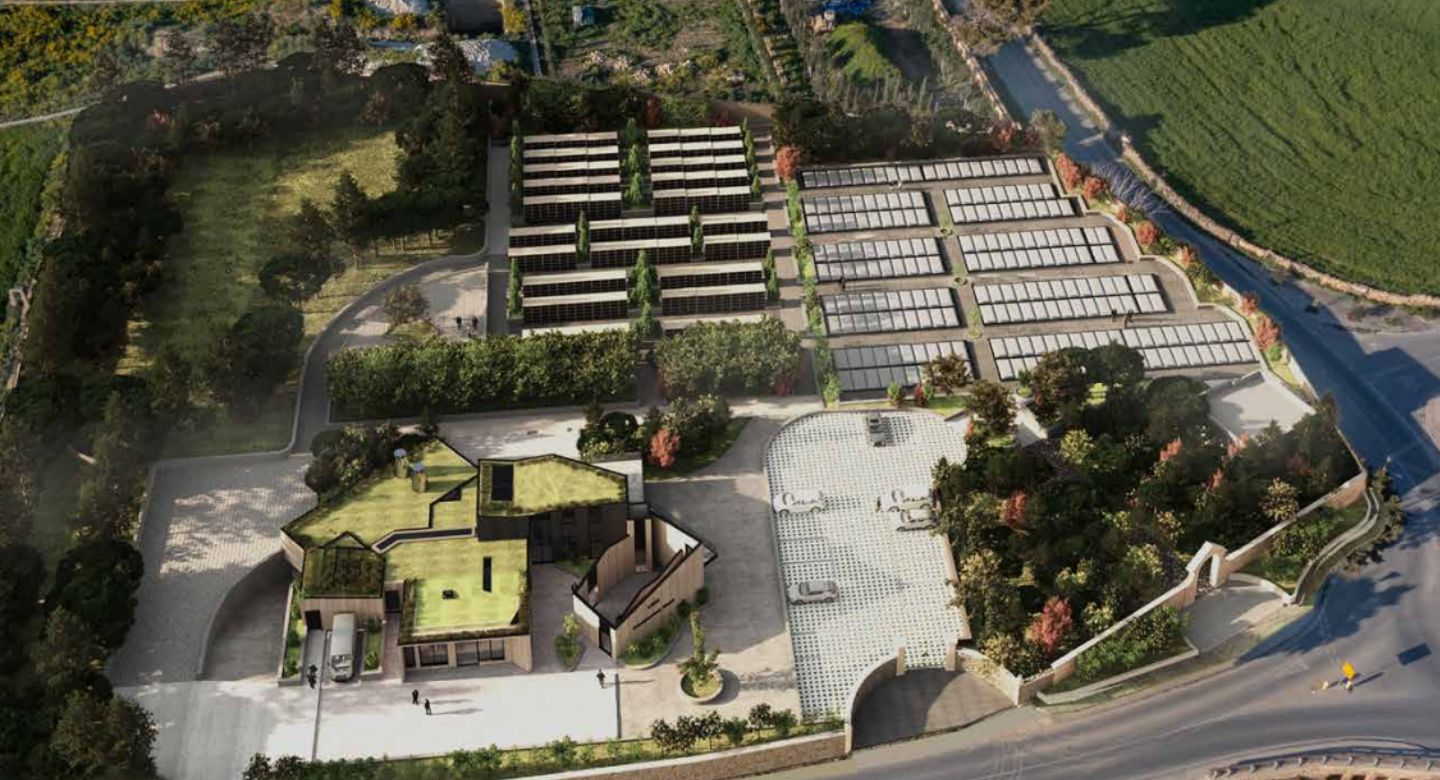
PA’s handling of rival crematorium applications raises a stink
Super CEO’s wife seconded to Mater Dei top job

Caruana again dodges questions over KM Malta’s finances as airline in dire straits

Another chairmanship for the Mizzis as Byron Camilleri appoints Antonio