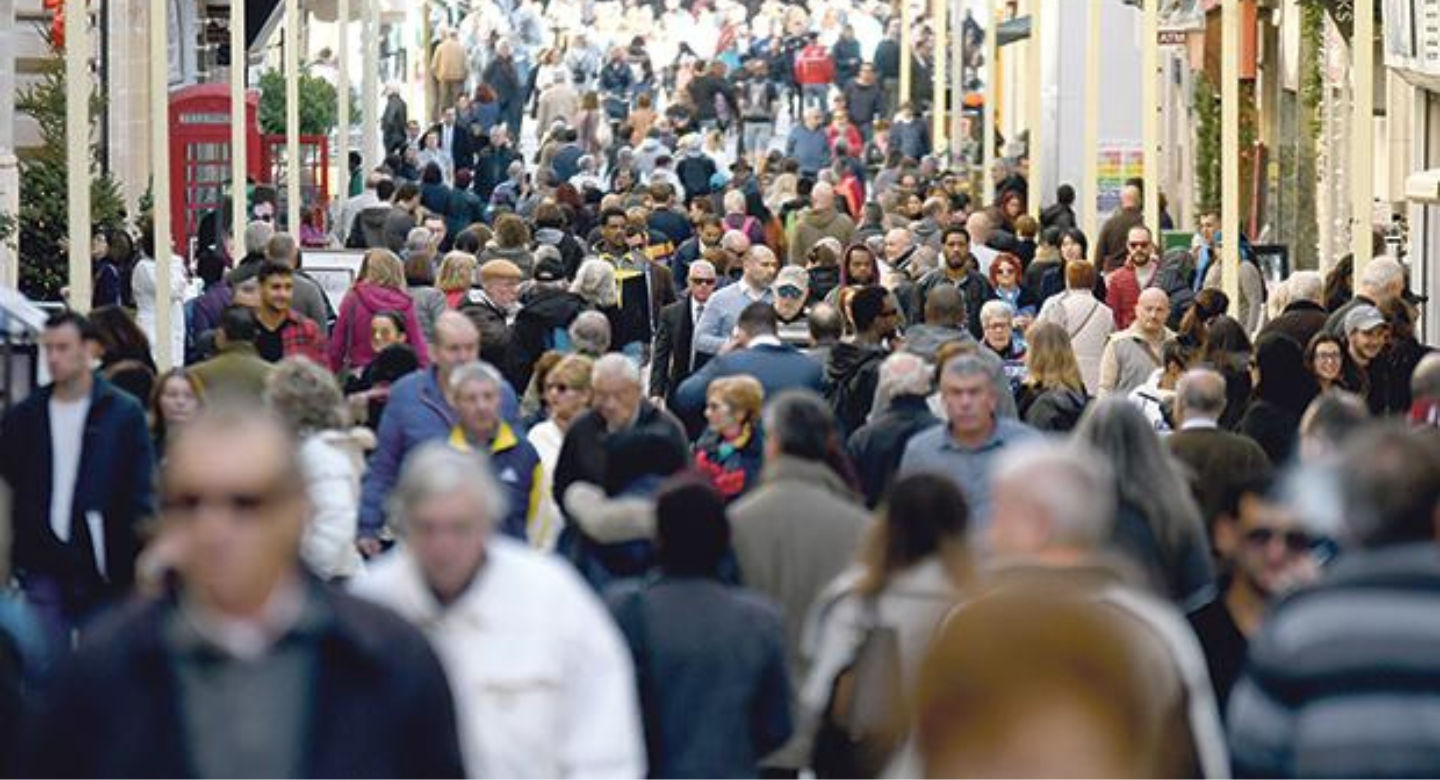

An analysis by The Shift, based on official NSO (National Statistics Office) data, confirms concerns expressed by the Finance Minister and Archbishop Charles Scicluna on the demographic imbalance in the surge in Malta’s population.
Statistics show that between 2014 and 2024 (a decade), the number of those born in Malta to Maltese families grew by only 566 per year, or a total of 5,660.
On the other hand, the number of foreigners immigrating to Malta, primarily for work, increased by 131,000 in the same time period, representing an average annual increase of more than 13,000.

Finance Minister Caruana, presenting the government’s pre-budget document last week, said current demographic trends could have far-reaching economic, financial, and social consequences.
He described the decline in the birth rate as “the greatest challenge of our time” and called for government incentives to encourage families to have more than one child.
Caruana compared the present situation to 1985 (the year of his birth), when 6,000 were born to Maltese families.
Official figures attribute the low birth rate to rising living costs and a lack of long-term migration planning, alongside a growing reliance on foreign labour.
Sharp increases in local populations
The analysis also shows that nearly every town and village in Malta recorded a population increase over the past decade, with the sharpest rises concentrated in areas of high development.
St Paul’s Bay, now the island’s largest locality, grew by 125%, from 17,876 residents in 2014 to 40,204 in 2024.
The Gozitan village of Żebbuġ nearly doubled its population, rising by 98% due to extensive residential construction.
Other towns with major increases include Msida (+84%), Pietà (+71%), St Julian’s (+66%), Swieqi (+55%), and Marsascala (+53%).

In addition to its permanent population, Malta accommodates around 3 million tourists each year. This figure is expected to rise under the government’s Vision 2050 strategy, which sets a target of attracting 4.5 million annual visitors by 2035.
Tourism growth, coupled with high immigration levels, has placed additional strain on Malta’s infrastructure, which remains underdeveloped relative to population density.


Sign up to our newsletter Stay in the know
"*" indicates required fields

Regulator rejects BOV’s nomination for top risk post

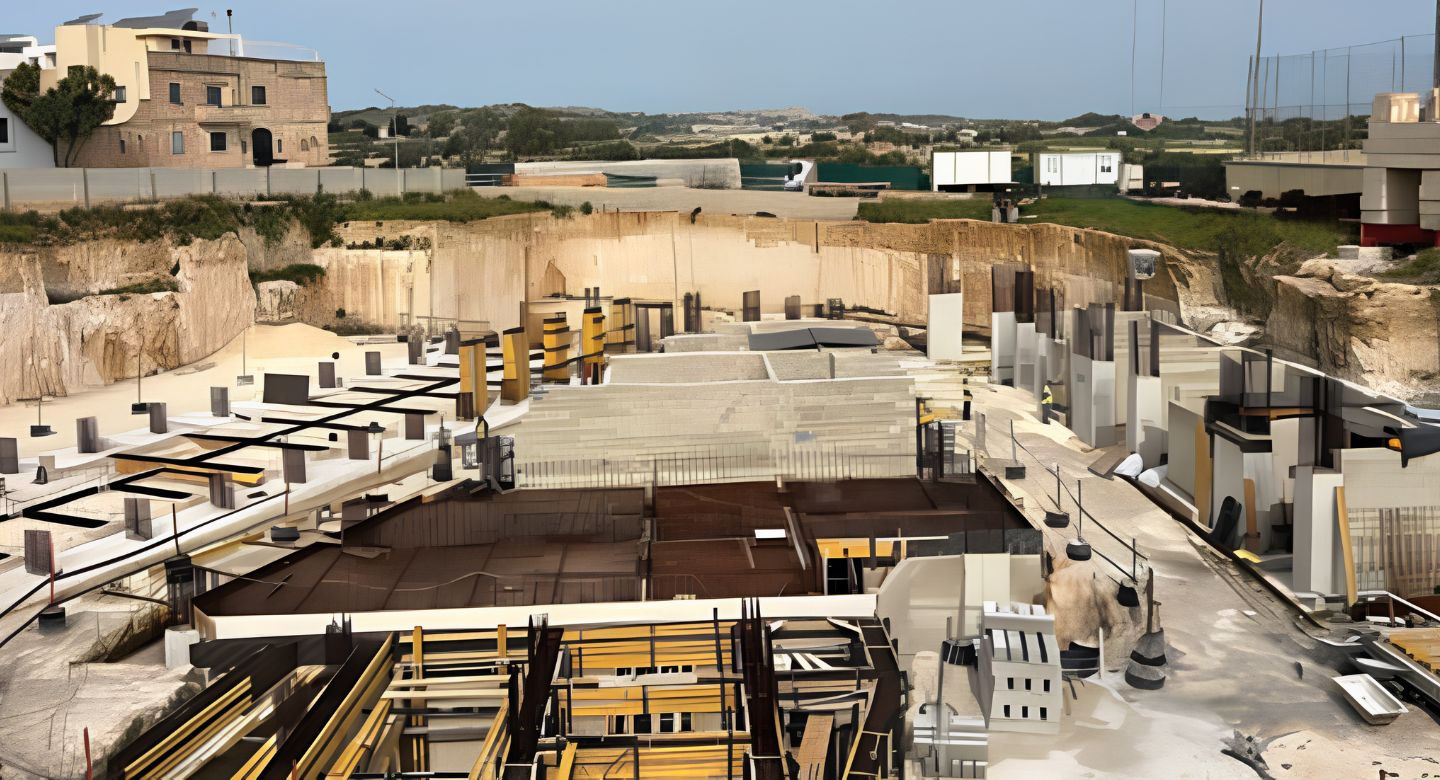
Terminated Housing Authority contractor formed company months before €6.5m Siġġiewi contract
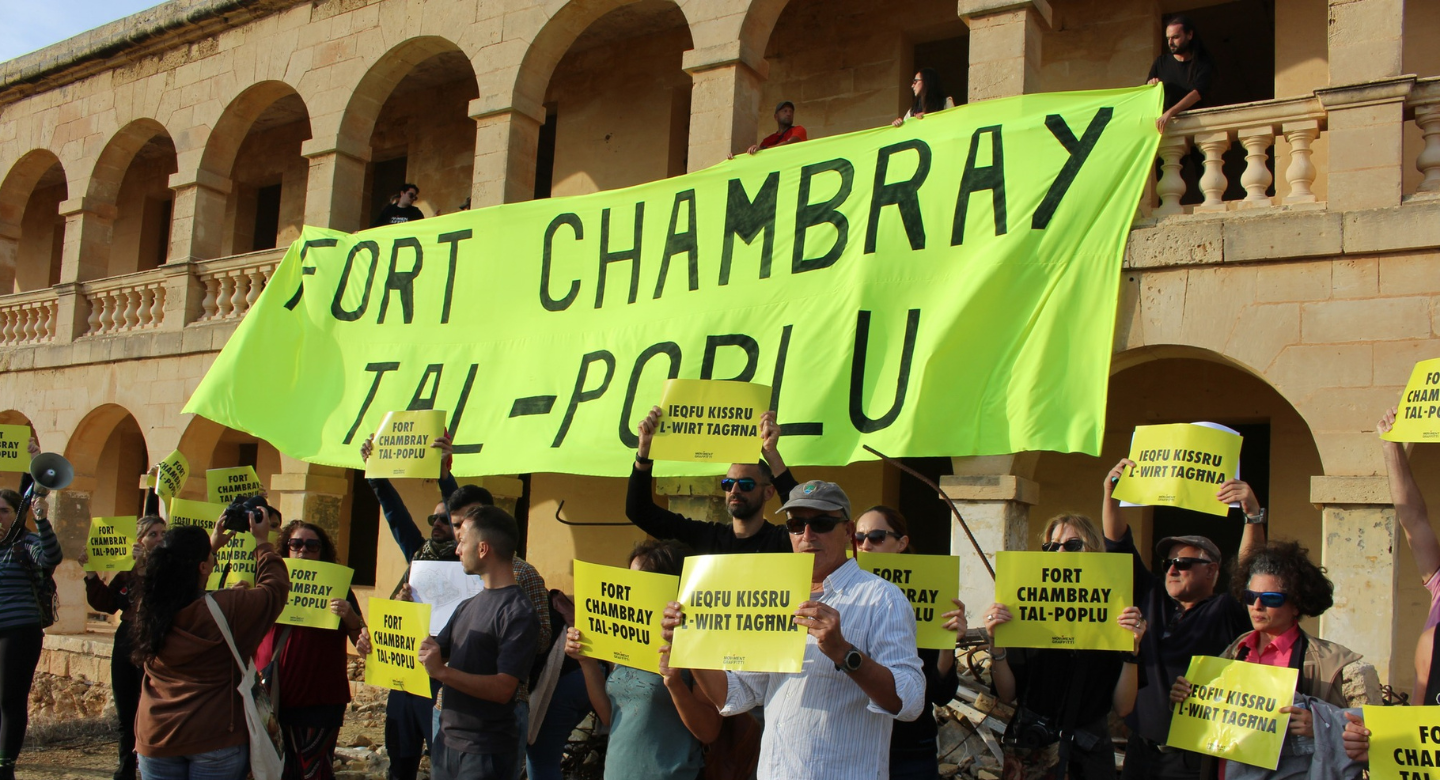
Government makes U-turn on Chambray, leaves protection and public access unclear

Dalli’s trusted aide leaves regulator after clash over interference
Tags
#birth rate
#immigration
#localities increase in population
#Maltese
#population
#trends
Other News
Regulator rejects BOV’s nomination for top risk post
Terminated Housing Authority contractor formed company months before €6.5m Siġġiewi contract
Government makes U-turn on Chambray, leaves protection and public access unclear
Dalli’s trusted aide leaves regulator after clash over interference

Dripping poison


Rare PL-PN unity as Siġġiewi vows to stop crematorium

MeDirect rejects bond disclosure allegations, warns Vaswani of damages claim
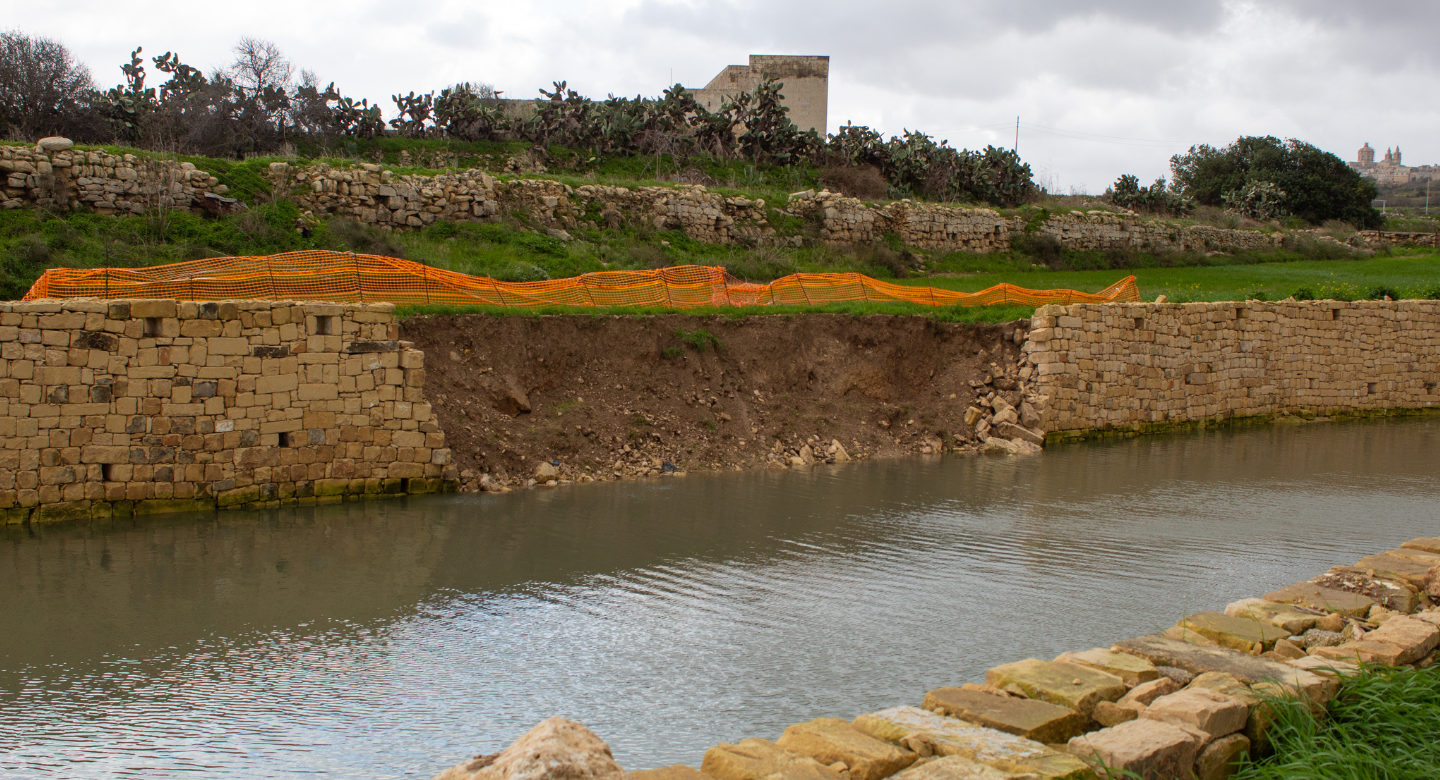
Dalli finds the culprit of Wied Speranza: water in a valley
Pama directors’ bonuses rise 21% as operating profit falls

Clyde Caruana livid as Lydia crosses the line

Minister ordered to appoint Luke Dalli as PBS deputy chairman

And who brought this situation about?