

My instinct, as a lawyer and as someone who believes that institutions ought to matter, was to respect the jury’s verdict in Yorgen Fenech’s trial.
Respecting it did not require me to like it. Nor did it oblige me to pretend that every question surrounding Daphne Caruana Galizia’s assassination had obligingly evaporated when the foreperson spoke. In fact, from a political point of view, the questions burn even stronger, but that’s not the point.
An acquittal is an acquittal. You cannot demand the rule of law on Monday and discard it on Wednesday because a jury has delivered a result you find unbearable. That generally remains my position.
But the basis on which we are being asked to have confidence in this verdict, and consequently in the accused’s innocence, for all his self-confessed involvement with those being scalded by those burning questions, has shifted tectonically.
And yet, a good citizen entrusted with judging evidence in that murder case dares suggest that her children do not even mourn her. The message appeared in a WhatsApp group the nine jurors established after the trial, grandly titled ‘The line of truth’. Quite a name. Apparently, one of those entrusted with finding the truth thought this an appropriate way to speak about the murdered woman’s children.
Daphne’s sons have spent years leading the clamour for accountability for their mother’s murder. And yet, the good citizens entrusted with judging evidence in that murder case dare suggest that they do not even mourn her.
The Times of Malta describes hostile social media material shared before the trial by two serving jurors and a reserve juror. Jurors were asked to disclose posts about the case; some clearly believe they are above the law.
We have moved a very long way from being astounded by the acquittal in the face of the evidence we all saw. Now, we are entitled to ask whether people carrying this baggage disclosed it, whether the safeguards worked, and whether the evidence was considered with the impartiality the task demanded.
Those questions go to the safety of the verdict. They cannot be answered by mindless chanting that a jury has spoken, as though the announcement also conferred immunity from scrutiny. It is possible, for those with more than a brain cell to call their own, to hold two thoughts simultaneously.
Moving on, consider Home Affairs Minister Glenn Bedingfield and the rest of that industrious fraternity which spent years teaching people to hate Daphne. The public inquiry had already identified the sustained campaign of denigration and dehumanisation. It singled out Bedingfield’s blog as its worst expression on social media.
The sneers. The insinuations. The treatment of a journalist as something repellent. The attacks on her family even when she was no longer alive to answer. All wrapped in the customary justification that she had brought it upon herself by writing things powerful people disliked.
The published chats offer a hideous glimpse of how useful that climate remained to those who hated her. We cannot know from these messages what influenced any individual vote. But we can recognise the contempt: it is the same contempt cultivated for years by people with microphones, party platforms and government jobs.
It is particularly revealing that these party loyalists say, and keep saying, that she hurt people through her writing. They lack the intelligence to have read her and understood her, because much of what they say she wrote was not written or was taken wholly, and conveniently, out of context.
That is the great service performed by the campaign against Daphne: it offered people a reason to look away. Even her children’s grief could be dragged into the exercise. There was always another obscene insinuation available, another little helping of filth.
Those who supplied it tell us to respect justice, after years of practice at this sort of duplicity.
We deserve to be able to respect this verdict with confidence, and we have been denied that, and now we can see why.
My instinct was to respect the verdict. It still is. But respect cannot oblige us to close our eyes to evidence of contempt among those entrusted with delivering it.
Bedingfield and his confrères spent years dripping poison into public life. We are entitled to ask how much of it reached the jury room.
Sign up to our newsletter Stay in the know
"*" indicates required fields

Rare PL-PN unity as Siġġiewi vows to stop crematorium


MeDirect rejects bond disclosure allegations, warns Vaswani of damages claim

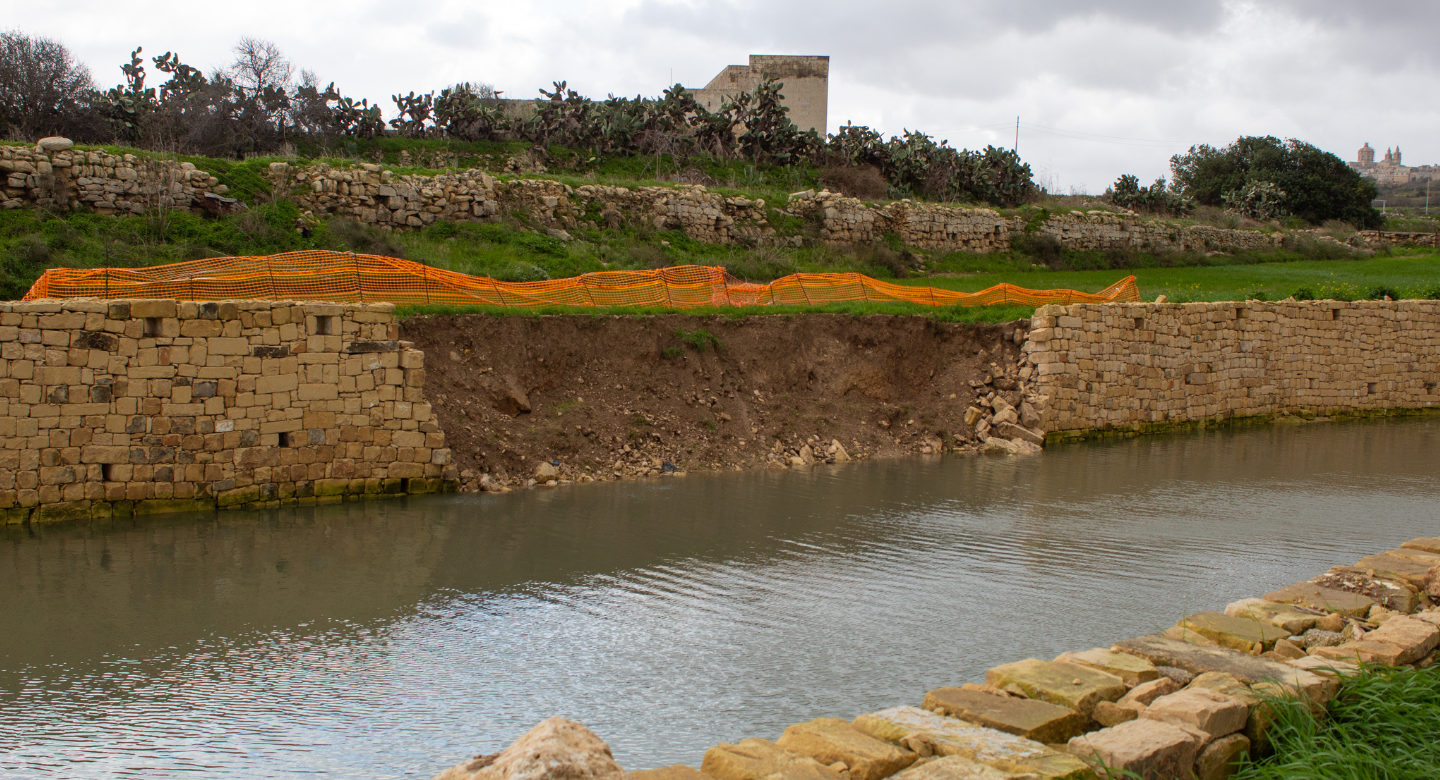
Dalli finds the culprit of Wied Speranza: water in a valley

Pama directors’ bonuses rise 21% as operating profit falls
Tags
#Daphne carauana galizia
#Glenn Bedingfield
#jurors
#justice
#whatsapp chats
#Yorgen Fenech trial
Other News
Rare PL-PN unity as Siġġiewi vows to stop crematorium
MeDirect rejects bond disclosure allegations, warns Vaswani of damages claim
Dalli finds the culprit of Wied Speranza: water in a valley
Pama directors’ bonuses rise 21% as operating profit falls
Clyde Caruana livid as Lydia crosses the line

Minister ordered to appoint Luke Dalli as PBS deputy chairman

Kurt Farrugia ‘forgot’ to publish direct orders

Malta increases its dependency on imported electricity as population surges

Turkish bank fails to lift €25 million security tied to Shoreline’s dispute
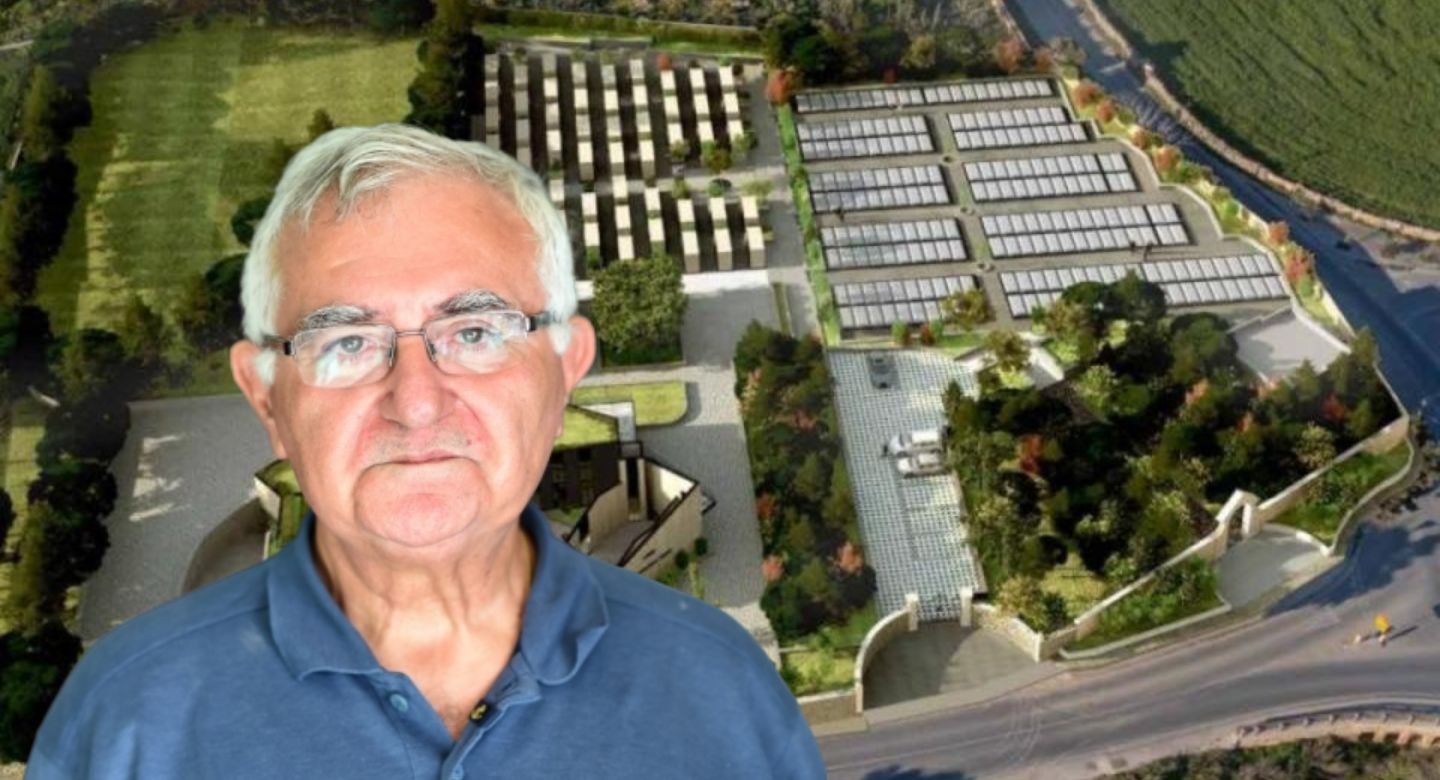
Controversial crematorium is in John Dalli’s ‘back garden’ – ERA missing in action

Doctors demand halt to health centre testing before further talks
