

Malta’s taxpayers are footing the bill not only for the Film Commissioner’s headline-grabbing lavish events — such as those linked to the recent multi-million-euro Mediterrane Film Festival — but also, it appears, for a swathe of reality television productions, thanks to the direct intervention of Film Commissioner Johann Grech.
Parliamentary records reveal that three production companies have been the principal beneficiaries of state-funded film rebates, amounting to several million euro. Chief among them is Greatt Company Ltd, owned by former Nationalist Party officials Anton Attard and Mark Grech (il-Guru).
Pending final authorisation, Greatt has claimed production costs exceeding €2.5 million for Big Brother Malta (Season 1), €1.3 million for X Factor (Season 4), and nearly €1 million for MasterChef.
While the rebates cover only a portion of production expenses, Greatt is still in line to receive around €2.8 million in state funds — on top of €300,000 already disbursed for The Voice Kids Final and Malta’s Got Talent (semi-finals and finals) and previous grants received.
The information was tabled in Parliament in response to questions by MP Julie Zahra.
Another €1.4 million in rebates is earmarked for Media Exclusive, producers of Love Island Malta (Seasons 1 and 2) and the game show Family Feud. Media Exclusive is owned by Ben Camille, Christian Gravina, Martina Zammit, and Lara Caruana.
A further €120,000 is reportedly due to Liquorish, a company owned by Andrea Cassar and Warren Brimmer — both veterans of the Nationalist Party’s NET TV — who went on to produce a reality show of the same name on Labour’s ONE TV.
The funds are distributed under the Malta Film Tax Incentives scheme, a programme originally designed to attract foreign film productions to the island and bolster the local film industry. Yet it is under revised rules, introduced by Johann Grech himself, that these reality television productions have become eligible for support.
The rationale behind Grech’s decision to allocate state incentives — intended for the film industry — to national television formats remains opaque. Nor is it clear on what basis these productions were selected for funding.
The developments also raise questions over the role of PBS, Malta’s publicly funded broadcaster, which receives around €6 million annually to deliver quality public service programming. Increasingly, PBS appears to be relying on imported reality formats such as Big Brother to secure advertising revenue — a move that may be at odds with its public service remit.
It remains uncertain whether PBS has supplemented these productions with additional subsidies under the Public Service Obligation scheme, a system notable for its lack of transparency.
Meanwhile, producers say proposals for cultural, educational, informative, and historical TV programmes – the ‘cultural test’ required for taxpayer funding – are often dismissed by PBS officials and receive minimal funding, making their production nearly impossible.
Sign up to our newsletter Stay in the know
"*" indicates required fields
Clyde Caruana livid as Lydia crosses the line


Minister ordered to appoint Luke Dalli as PBS deputy chairman

Kurt Farrugia ‘forgot’ to publish direct orders

Malta increases its dependency on imported electricity as population surges
Tags
#Film Commissioner Johann Grech
#Minister Owen Bonnici
#reality tv
#State funding
Other News
Clyde Caruana livid as Lydia crosses the line
Minister ordered to appoint Luke Dalli as PBS deputy chairman
Kurt Farrugia ‘forgot’ to publish direct orders
Malta increases its dependency on imported electricity as population surges

Turkish bank fails to lift €25 million security tied to Shoreline’s dispute
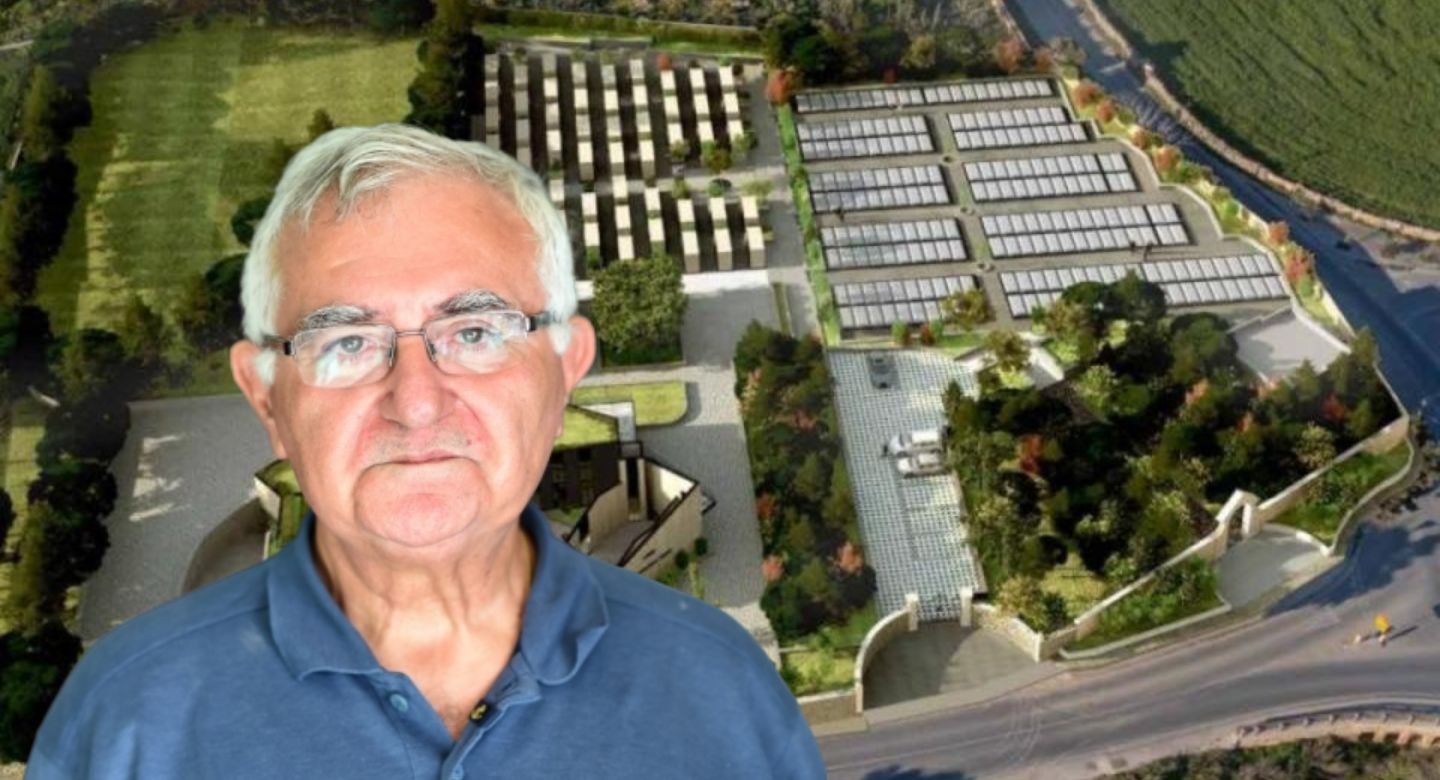
Controversial crematorium is in John Dalli’s ‘back garden’ – ERA missing in action

Doctors demand halt to health centre testing before further talks

Malta last in EU Parliament attendance rankings
One in four licensed short lets concentrated in St Paul’s Bay and Sliema

Bonnici hails progress at housing project caught in crisis that sank Galdes

Employers slam Clyde Caruana’s cheap talk
Why is this guy given a free hand with the public’s millions with no accountability and government just looks on helpless while spreading around the public’s money among producers of unmitigated rubbish while local producers of serious cinema are arrogantly swept aside.and have to crawl and plead for alms on all fours. What a shameful commissioner.
Dan il bully Hadd ma jinvestigah. Jidher li Hadd ma jista ghalih.