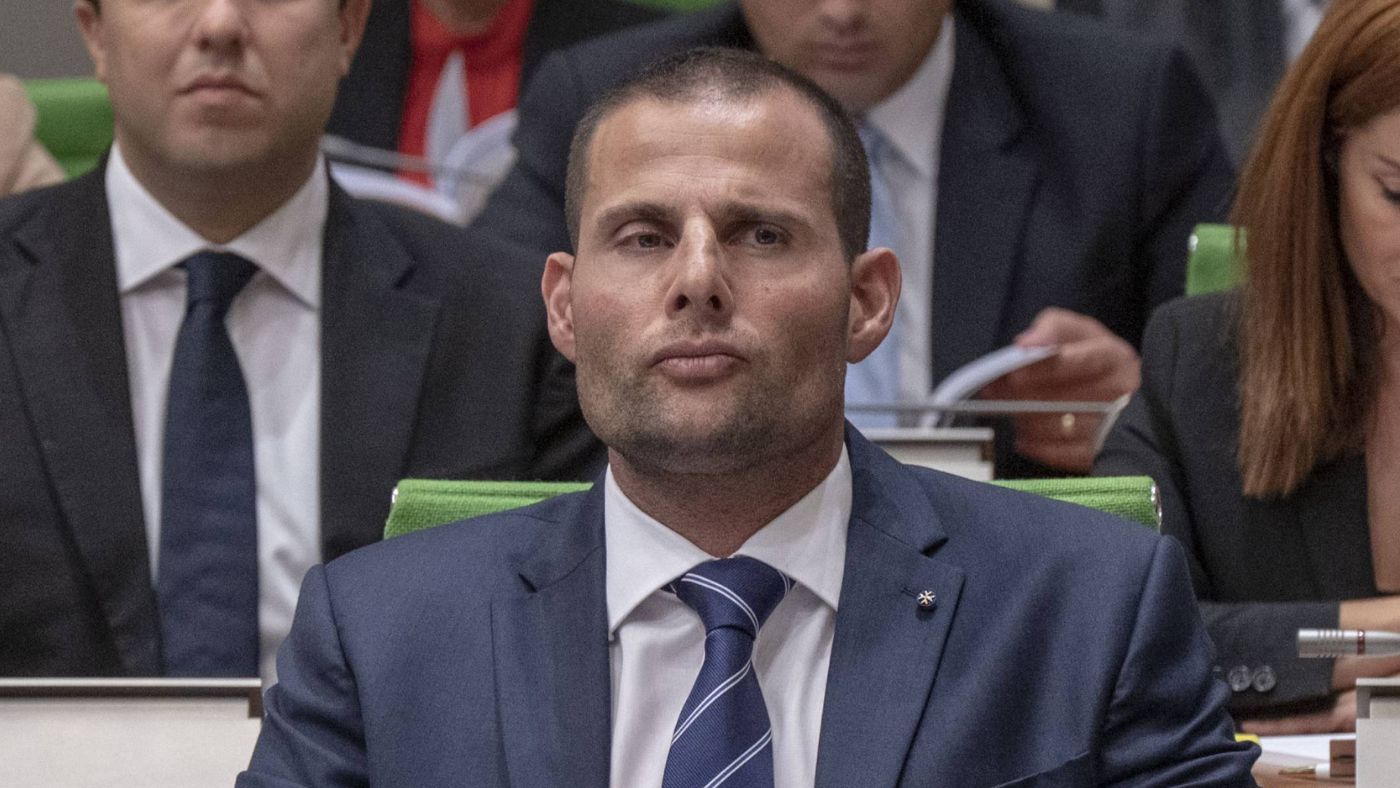
Prime Minister Robert Abela’s decision to reinstate Ronald Mizzi, saying “he was convinced of Mizzi’s innocence” despite Mizzi facing serious criminal charges, is a blatant show of disregard for the rule of law.
Who made Robert Abela judge and jury? In any functioning democracy, the Prime Minister is not above the courts, yet Abela acts as though legal proceedings are mere formalities he can overrule with political convenience.
Meanwhile, Foreign Minister Ian Borg had the gall to tell the Council of Europe, as Malta assumes its presidency of the Committee of Ministers, that Malta’s priorities are to “uphold the values of human rights, democracy and the rule of law”.
It’s a bold claim from a government that has shown contempt for all three.
Mizzi, who served under disgraced former minister Konrad Mizzi during one of Malta’s most scandal-ridden administrations, is facing criminal charges related to the corrupt deal on three of Malta’s public hospitals.
The accusations are severe: fraud, misappropriation, and failure to prevent crimes he was legally bound to stop.
In 2024, a court ruled that there was enough evidence for him to stand trial. Instead of distancing the government from this disgrace, Prime Minister Abela decided he knew better than the courts.
He reinstated Mizzi to his former senior post without shame, essentially sending the message that in Malta, political loyalty outweighs the justice system.
Since when does a prime minister’s personal belief outweigh the courts?
This is a subversion of democratic principles. It erodes trust in the judiciary and signals to the public that accountability is optional for the well-connected.
And Minister Ian Borg then tells the Council of Europe that upholding democracy, the rule of law and human rights are Malta’s priorities.
On human rights, Malta’s record is abysmal. Just last March, Abela said human rights apply only to those who ‘merit’ them, forgetting that all persons are born equal in dignity and rights.
Human rights protections apply to everyone, without exception, and it is not up to any State to decide. His implied solution—to ignore state-sponsored persecution, wars, discrimination, and social exclusion—was both alarming and unacceptable.
Despite its solemn promises at the Council of Europe, Malta has been condemned repeatedly for violating human rights.
The European Court of Human Rights ruled that Malta had breached the rights of unaccompanied minors by placing them in adult detention centres, conditions deemed degrading and unlawful.
Numerous NGOs, including the Jesuit Refugee Service and aditus Foundation, have reported systemic abuses.
In 2020, Malta was also accused of outsourcing illegal pushbacks to Libyan militias, placing migrants at risk of torture and death. These are not isolated incidents; they form a pattern of state-sanctioned dehumanisation.
So when Ian Borg stands in Strasbourg, proclaiming Malta’s moral commitment to rights and democracy, it rings hollow—because back home his government is doing the opposite.
If Robert Abela and his administration want to be taken seriously, they must first hold themselves to the standards they so readily promote abroad.
That means respecting the judiciary, ending political protectionism, and confronting the state’s complicity in the suffering of the most vulnerable. Until then, their words are little more than diplomatic theatre—disconnected from reality, and insulting to those paying the price for their governance.
Sign up to our newsletter Stay in the know
"*" indicates required fields

Ricky relegated to late-night TVM slot, but the money keeps rolling in

Abela given ultimatum over Johann Buttigieg

Portelli exits illegal concrete batching plant as Ta’ Dirjanu takes control


Curia deficit deepens to €3.44 million as property spending questions persist
Tags
#council of europe
#Democracy
#human rights
#Malta Foreign Minister Ian Borg
#Malta Prime Minister Robert Abela
#Rule of Law
Other News
Ricky relegated to late-night TVM slot, but the money keeps rolling in
Abela given ultimatum over Johann Buttigieg
Portelli exits illegal concrete batching plant as Ta’ Dirjanu takes control
Curia deficit deepens to €3.44 million as property spending questions persist
Malta’s new EU judge handpicked without fresh call for applications

Fierce battle over WasteServ’s €125 million workforce contract
UPDATED – PL Deputy Leader questioned in EPPO-led probe into EU funds procurement

Police station to poolside guesthouse? FAA objects to Birkirkara plan
Senior TM officer and minister’s canvasser suspended
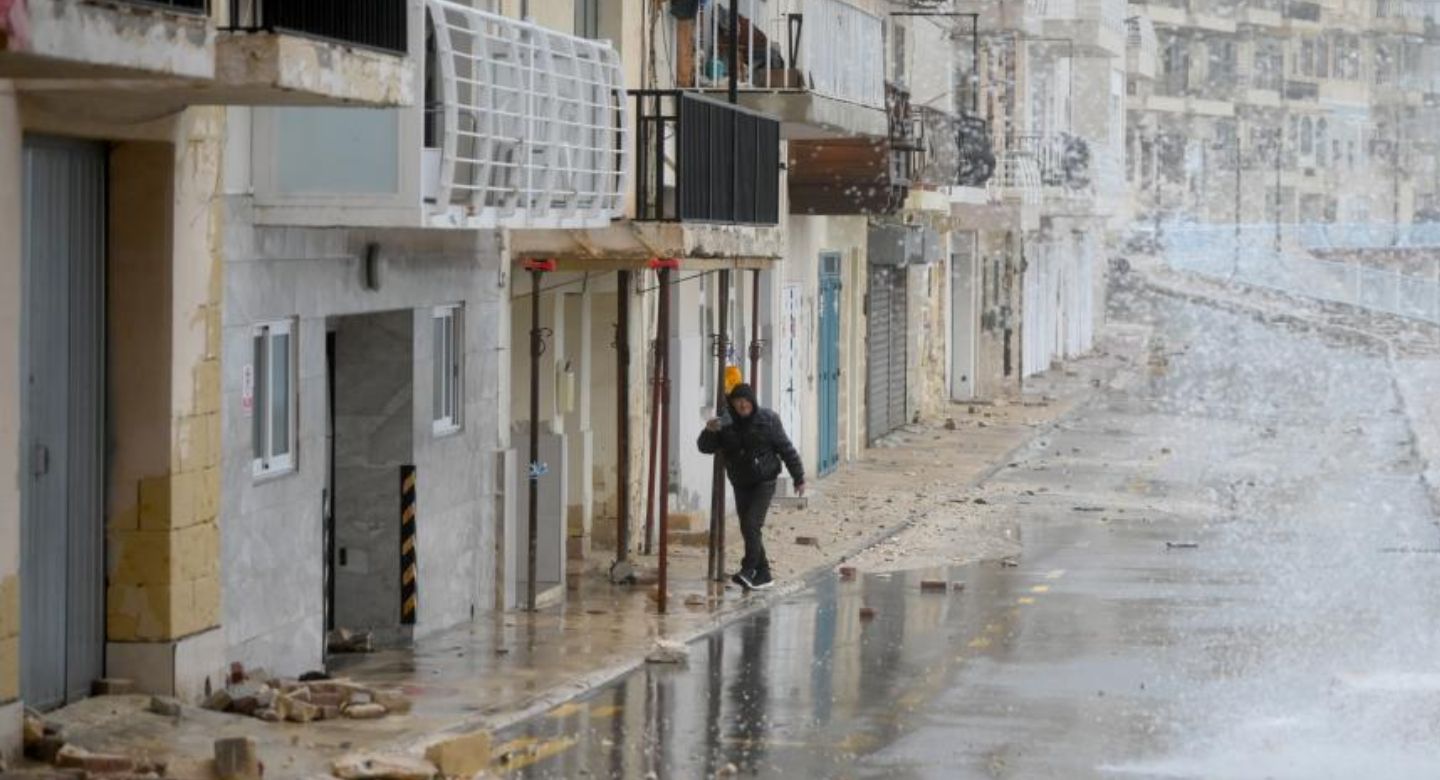
EU allocates Malta €4 million for Storm Harry

Lilu is no longer ‘king’

According to our bright PM we do not need investigations and courts because he knows it all and in that way there would be more loot at his disposal to share among his mates.
Feeling more and more like an accelerating race to the bottom.
Meanwhile, the opposition remains largely irrelevant. Instead of cleaning house, the PN rank and file keep looking to the EU, Roberta, or some other extraneous miracle to set things right. Time to climb off your principled high horse and figure what issues and policy positions wiill get you the requisite votes in the next national election (which may be sooner than you think).