

Disgraced former prime minister Joseph Muscat was referring to Evarist Bartolo when he alleged that someone had manoeuvred behind his back to replace him during the 2019 political crisis, senior Labour Party sources have told The Shift.
According to the sources, Bartolo, then education minister, actively lobbied Labour delegates and ministers for Muscat’s removal, presenting himself as an interim prime minister who could unite the party and guide the country through the crisis.
The sources said Bartolo also expressed this position to then-president George Vella. Their account identifies the politician whom Muscat declined to name during his press conference on Wednesday.
The Shift sought to contact Bartolo for comment, but he was unavailable.
The sources described Bartolo’s lobbying as intense. They said he assured those he approached that his intention was to preserve unity at a particularly sensitive moment for Labour and the country.
Bartolo argued that he had the support needed to take over temporarily and steer both through the upheaval, according to the sources.
The distinction between an interim appointment and the eventual choice of Labour leader was central to the proposal they described: Bartolo was putting himself forward to take charge during the immediate crisis.
His efforts did not go down well with Chris Fearne, the sources said.
Fearne, then deputy prime minister, had long been eyeing the succession and was considered the leading contender to replace Muscat.
Bartolo’s proposal introduced another potential successor at a moment when Fearne was widely expected to be next in line.
Speaking on Wednesday, Muscat said people had been “manoeuvring behind my back” during the period surrounding his resignation in 2019.
He alleged that an unnamed person who wanted to succeed him had involved the President in an effort to prevent him from announcing his resignation at a public event.
Muscat expressly excluded Robert Abela, Chris Fearne and Ian Borg, but refused to identify the person concerned.
The senior Labour sources who spoke to The Shift said the reference was to Bartolo.
The crisis escalated in November 2019 as developments in the investigation into Daphne Caruana Galizia’s assassination intensified pressure on Muscat’s government.
Bartolo publicly demanded the departure of Muscat’s chief of staff, Keith Schembri, and tourism minister Konrad Mizzi. Yet he also supported Muscat in Labour’s parliamentary group confidence vote on 25 November.
In a subsequent interview, Bartolo defended that vote as a means of retaining influence within the party and continuing to press for change internally.
The sources’ said that his private efforts extended beyond seeking Schembri’s and Mizzi’s removal to advocating a change at the top of government, with himself taking temporary charge.
Muscat announced his intended resignation on 1 December 2019 and remained in office until January 2020.
Bartolo’s proposed interim premiership never materialised.
The succession was ultimately contested by Fearne and Robert Abela, with Abela winning the Labour leadership and becoming prime minister.
Sign up to our newsletter Stay in the know
"*" indicates required fields

Convenience Shop chain up for possible sale amid growing financial pressures

Portelli’s Gozitan clan falling apart as businessmen clash


‘Johann out’

Is Clifton Grima pushing a Trojan reform?

Tags
#Chris Fearne
#Evarist Bartolo
#Joseph Muscat
#Robert Abela
Other News
Convenience Shop chain up for possible sale amid growing financial pressures
Portelli’s Gozitan clan falling apart as businessmen clash
‘Johann out’
Is Clifton Grima pushing a Trojan reform?

Minister axes Luke Dalli from TVM, citing ban on second jobs

MGA defends regulatory framework amid alleged €250 million gambling tax evasion
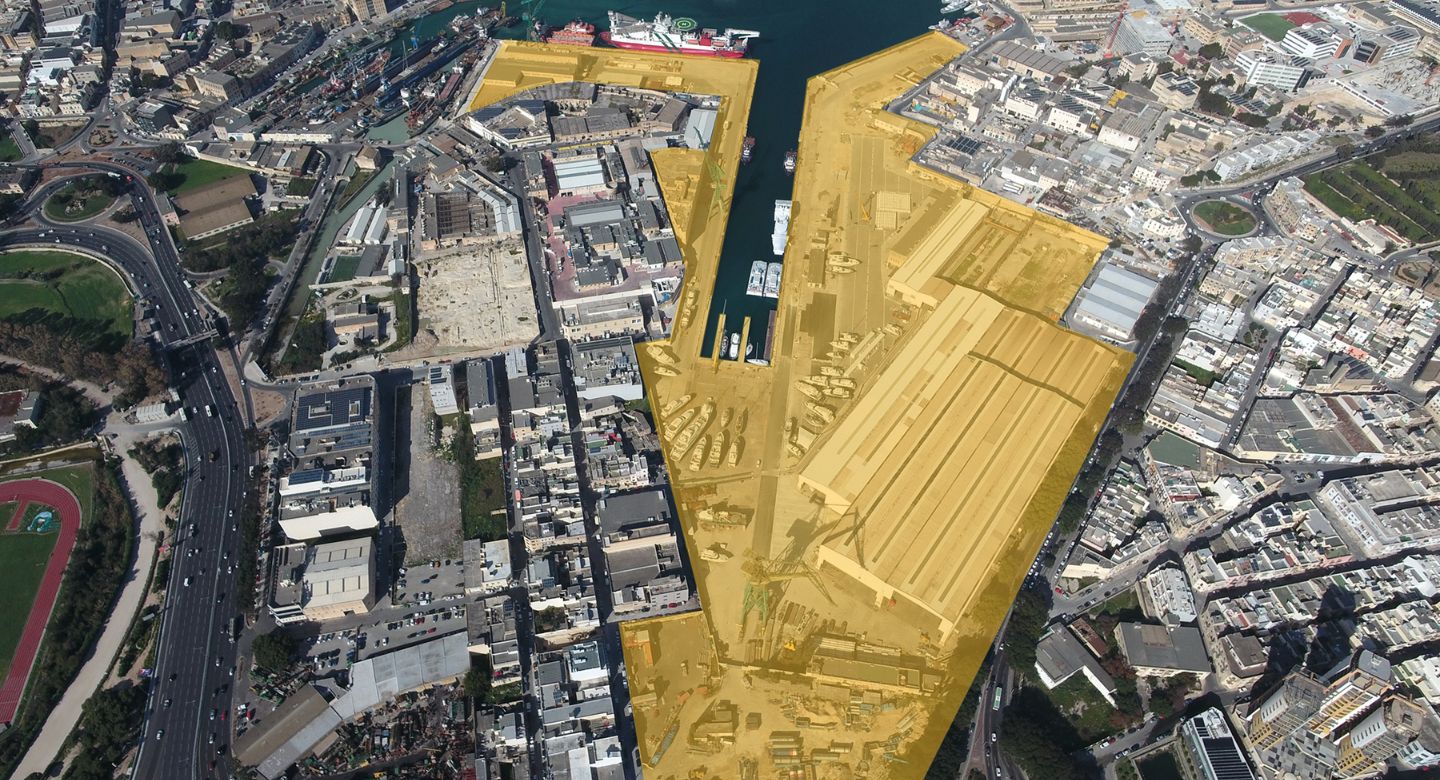
MMH deposits bond repayment funds, but rescue deal still awaits completion

Passports Fund pulls €4.4m from health upgrades amid procurement scandal

Minister Fearne’s secretariat in ‘total chaos’
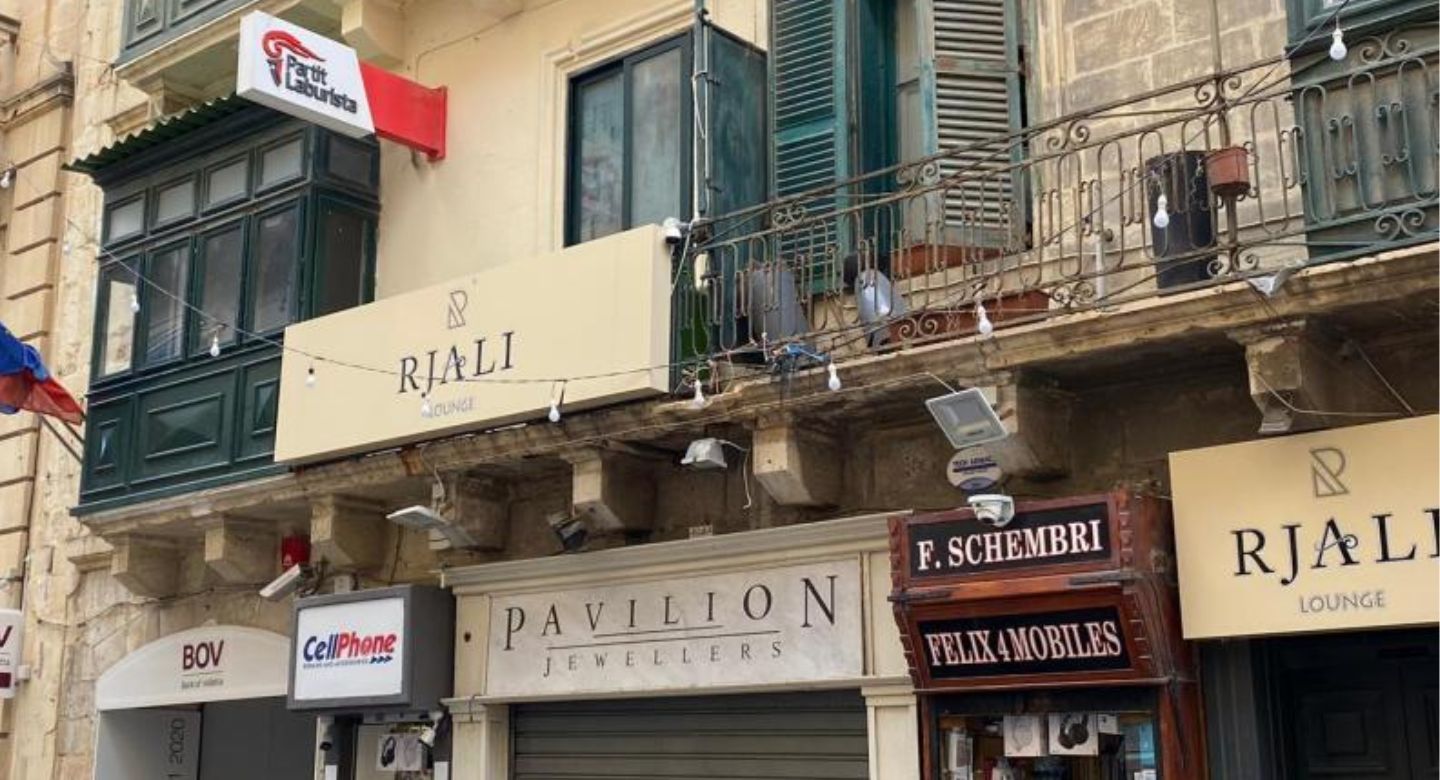
Labour ordered out of €50 a month Valletta Republic Street club
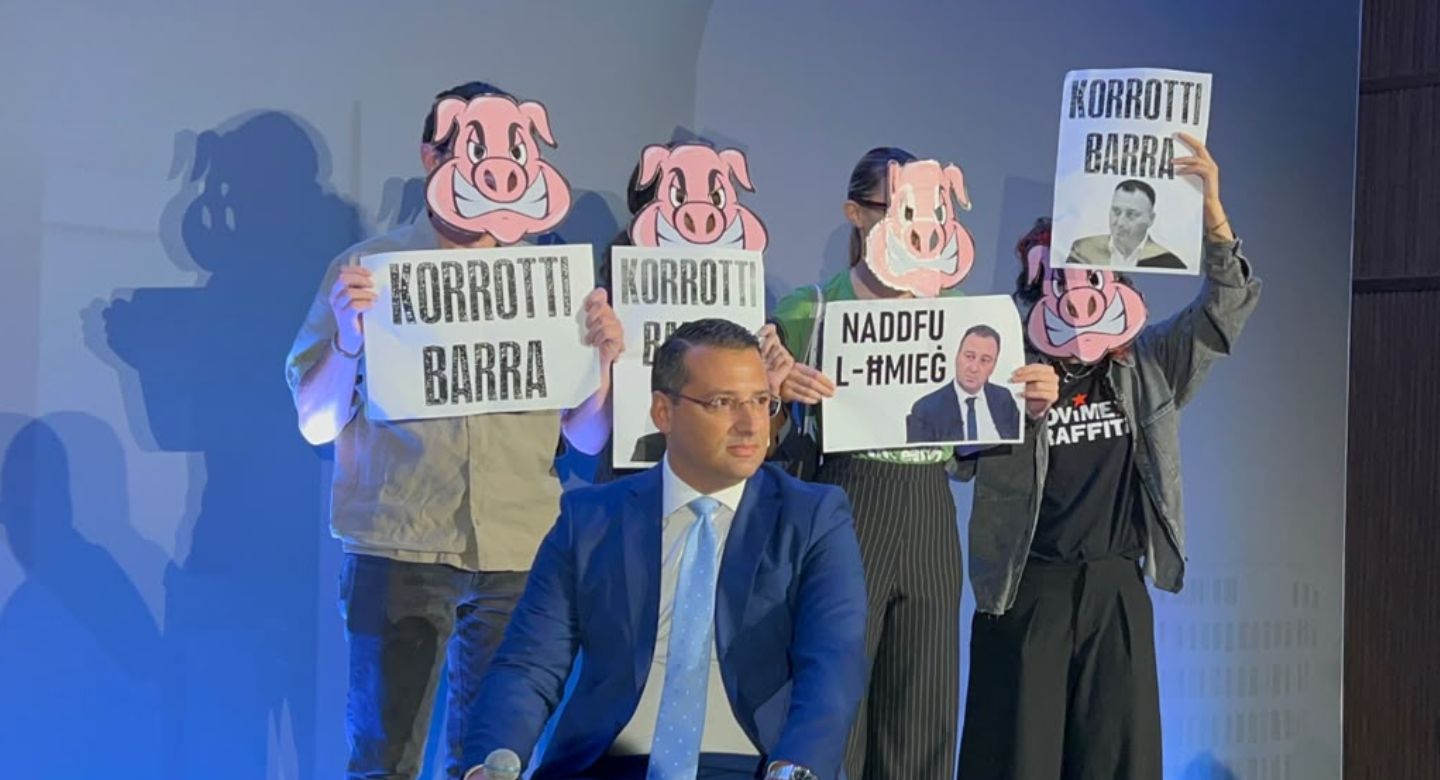
Planning Minister embarrassed as protestors storm conference

Is sur bartolo kemm ilu li zarma mil politika beda jispara l kliem biex jurina d dawl. Hallina habib , meta kont ministru qatt ma ftaht halqek u issa zommu maghluq. Jekk tghid li ma stajt taghmel xejn imissek irrezenjajt mhux bqajt tibla sa l ahhar. Imissek sirt prim ministru flok muscat, kont tirrangana hej.