

An €8 million emergency outsourcing scheme championed by former Health Minister Jo Etienne Abela has been abruptly stopped after a ministry review found it was not delivering value for money, Mater Dei sources have told The Shift.
The decision follows warnings from doctors, raised before the service began, that private hospitals lacked the capacity to meaningfully ease overcrowding at Mater Dei. Abela had dismissed the criticism and pressed ahead.
Sources now describe an expensive experiment that generated few referrals and frequently sent patients back to the public hospital it was supposed to relieve.
According to Mater Dei sources, only around 20 out of every 500 emergency patients were referred to private providers – approximately 4%. Most of those transferred were subsequently returned because the private hospitals could not meet their treatment needs, the sources said.
Public money was committed to a service that, according to those accounts, offered little relief while leaving Mater Dei to deal with patients sent back.
Sources close to the Medical Association of Malta, MAM, described the initiative as a waste of public funds. The precise amount spent from the €8 million allocation, and the balance remaining when the service stopped, have yet to be established.
According to sources familiar with the recent ministry review, the arrangement was judged not cost-effective, prompting a decision to halt further expenditure.
The shortcomings described by sources were foreseeable.
Medical professionals had publicly questioned the scheme’s basic premise when Abela launched the outsourcing process.
In July 2024, The Shift reported that the ministry twice extended the tender deadline following requests from St James Hospital.
Senior hospital sources said at the time that St James was the only private hospital licensed to provide emergency services. Even there, space, staffing and specialist availability severely limited the additional patients it could accommodate.
The tender covered minor conditions, including uncomplicated injuries, infections and stable abdominal complaints. Patients still needed assessment at Mater Dei before a consultant could decide whether to transfer them.
That left the public emergency department responsible for the initial assessment, while the private sector’s ability to take patients remained limited.
The tender initially covered three months, extendable up to a maximum of two years. It specified maximum treatment charges but gave no overall contract value.
By January 2025, St James, Da Vinci and St Thomas had been awarded short-term contracts backed by an €8 million allocation.
MAM criticised the lack of consultation and instructed its members not to participate or recommend transfers. Earlier, it had characterised the outsourcing proposal as a small patch over a much larger problem.
Abela rejected that assessment.
The service has now been stopped, according to sources, after the ministry reached its own adverse assessment of its value.
Following the last elections, Abela was replaced by Ian Borg as health minister.
Sign up to our newsletter Stay in the know
"*" indicates required fields

Court acquits three Gozo Ministry officials, points at GWU foundation’s responsibilities over worker’s death
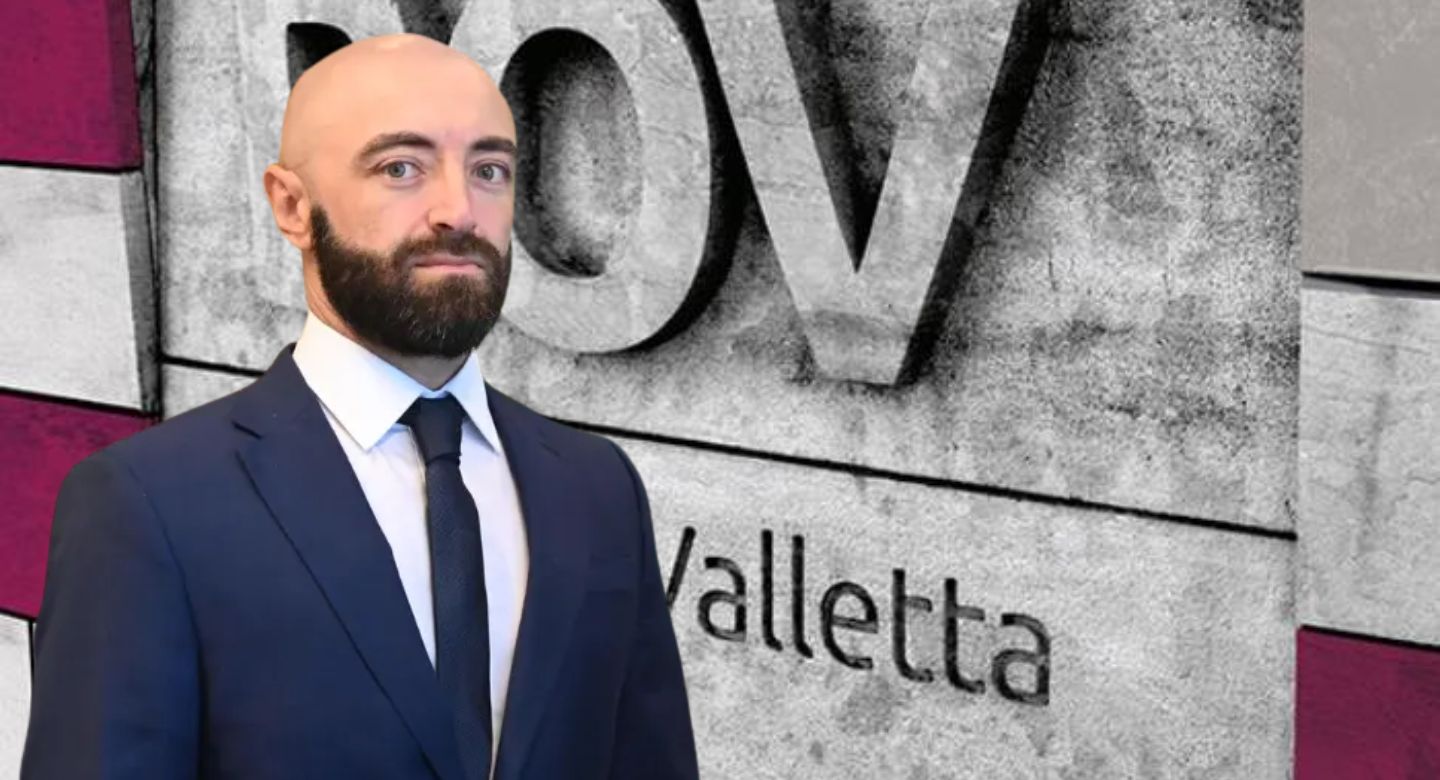
BOV silent on vetting of rejected Labour-linked risk chief nominee
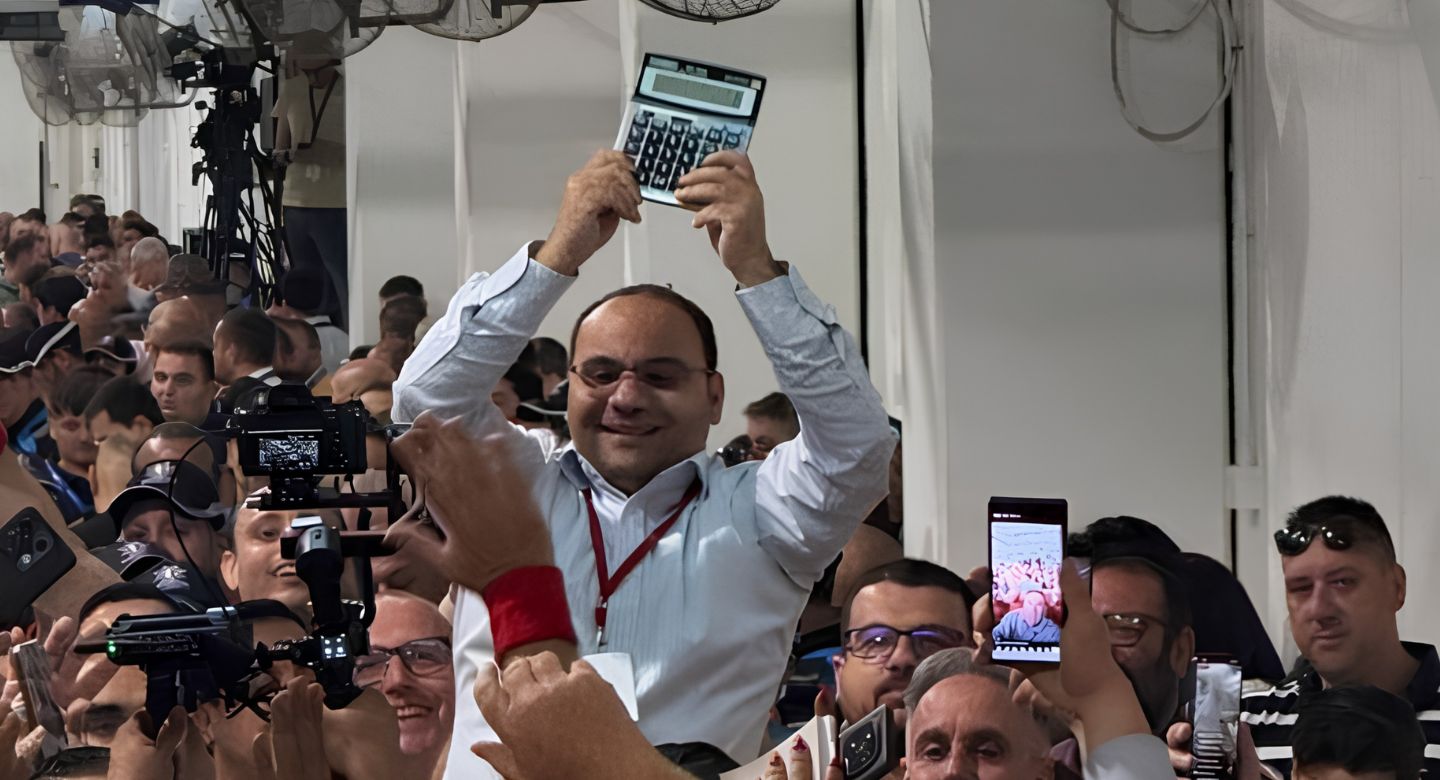
Clyde Caruana plans €724 million deficit and €13.13 billion debt in 2027


Non-Maltese in local education up 50 per cent in five years
Tags
#failed
#Ian Borg
#Jo Etienne Abela
#MAM
#Mater Dei
#millions
#St James
Other News
Court acquits three Gozo Ministry officials, points at GWU foundation’s responsibilities over worker’s death
BOV silent on vetting of rejected Labour-linked risk chief nominee
Clyde Caruana plans €724 million deficit and €13.13 billion debt in 2027
Non-Maltese in local education up 50 per cent in five years

More losses at Shoreline as financial squeeze intensifies

Three consortia bid for new hospital tender – all exceed €1.3 billion budget
A budget of hugs, handouts and scapegoats


Watchdog exposes government recruitment chaos but keeps ministries unnamed
VAT lottery changes follow scrutiny over suspicious repeat wins
Charter flight and pocket money paid by taxpayers for mayors’ botched papal audience

King Corrupto and the blame game

