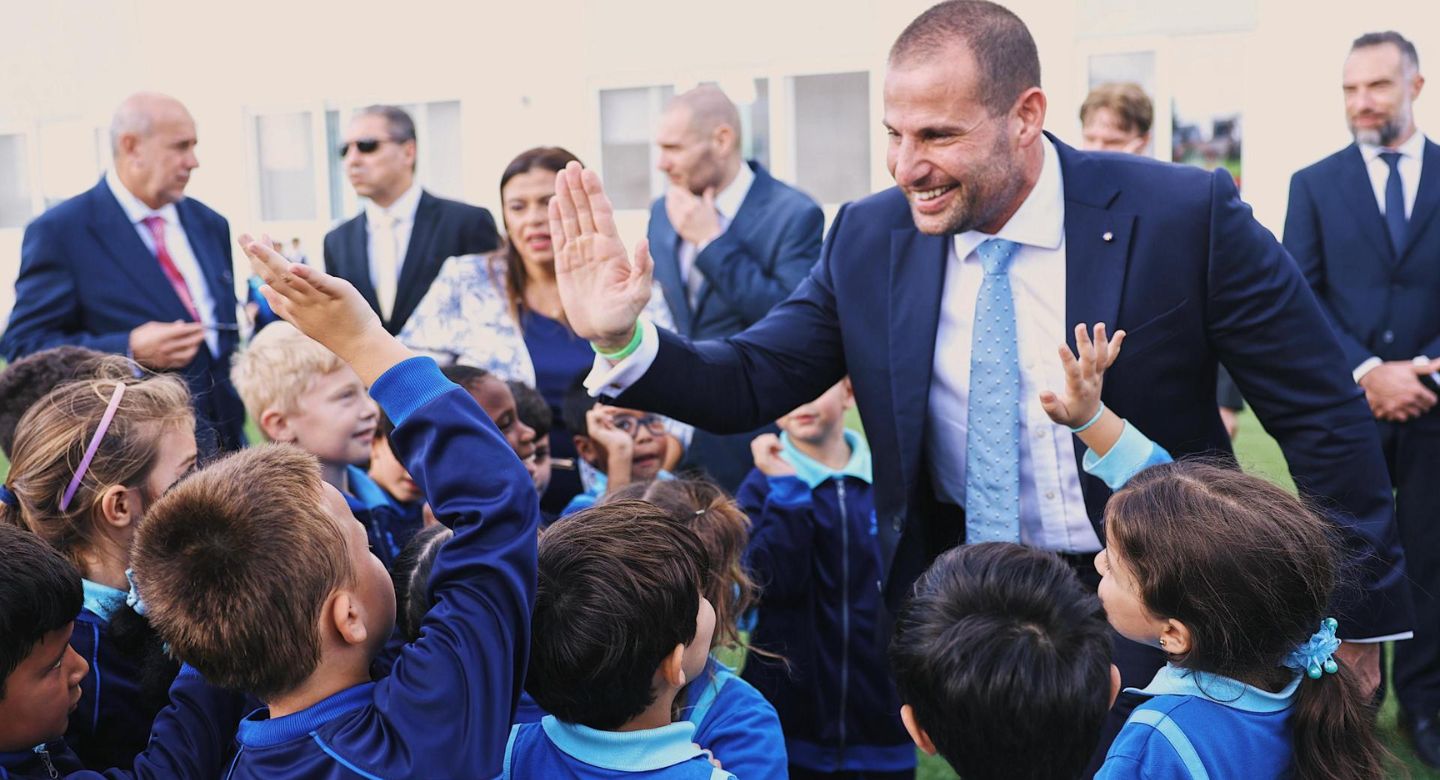

Non-Maltese student numbers in local compulsory education, including state, church and private schools, have risen by almost 50 per cent in five years, with state schools educating four in five of these pupils as Labour’s reliance on imported cheap labour reshapes Malta’s population.
Recent National Statistics Office figures show non-Maltese enrolment increased from 7,862 in 2019-20 to 11,709 in 2024-25.
At the same time, enrolment of Maltese students fell by 3.5 per cent, from 50,413 to 48,630.
The result is a marked change beneath a modest increase in overall student numbers, as almost one in five pupils now holds non-Maltese citizenship, compared with roughly one in seven five years earlier.
Non-EU enrolment, so-called Third Country Nationals (TCNs), drove the increase, rising 70 per cent to 7,867.
Indian student numbers more than quadrupled, from 167 to 747.
The implications are clearest in free state schools, which enrolled 9,269 non-Maltese pupils in 2024-25. They represented 25.8 per cent of state-school enrolment, compared with just 1.2 per cent in church schools.
In the latest year alone, state schools recorded 1,019 fewer Maltese pupils and 989 additional non-Maltese pupils. Almost unchanged enrolment therefore concealed a substantial shift in classroom composition.
These figures sharpen the question facing Labour’s economic model, led by Finance Minister Clyde Caruana, which opened Malta’s floodgates to cheap labour to pump up unsustainable economic growth.
Clyde Caruana acknowledged in October that businesses’ reliance on third-country nationals reflected a preference for cheaper labour over investment in machinery and technology.
Yet Prime Minister Robert Abela defended annual population growth of around 14,000 in July, describing that level as manageable while promising a slower, calibrated increase.
Sign up to our newsletter Stay in the know
"*" indicates required fields

More losses at Shoreline as financial squeeze intensifies

Three consortia bid for new hospital tender – all exceed €1.3 billion budget
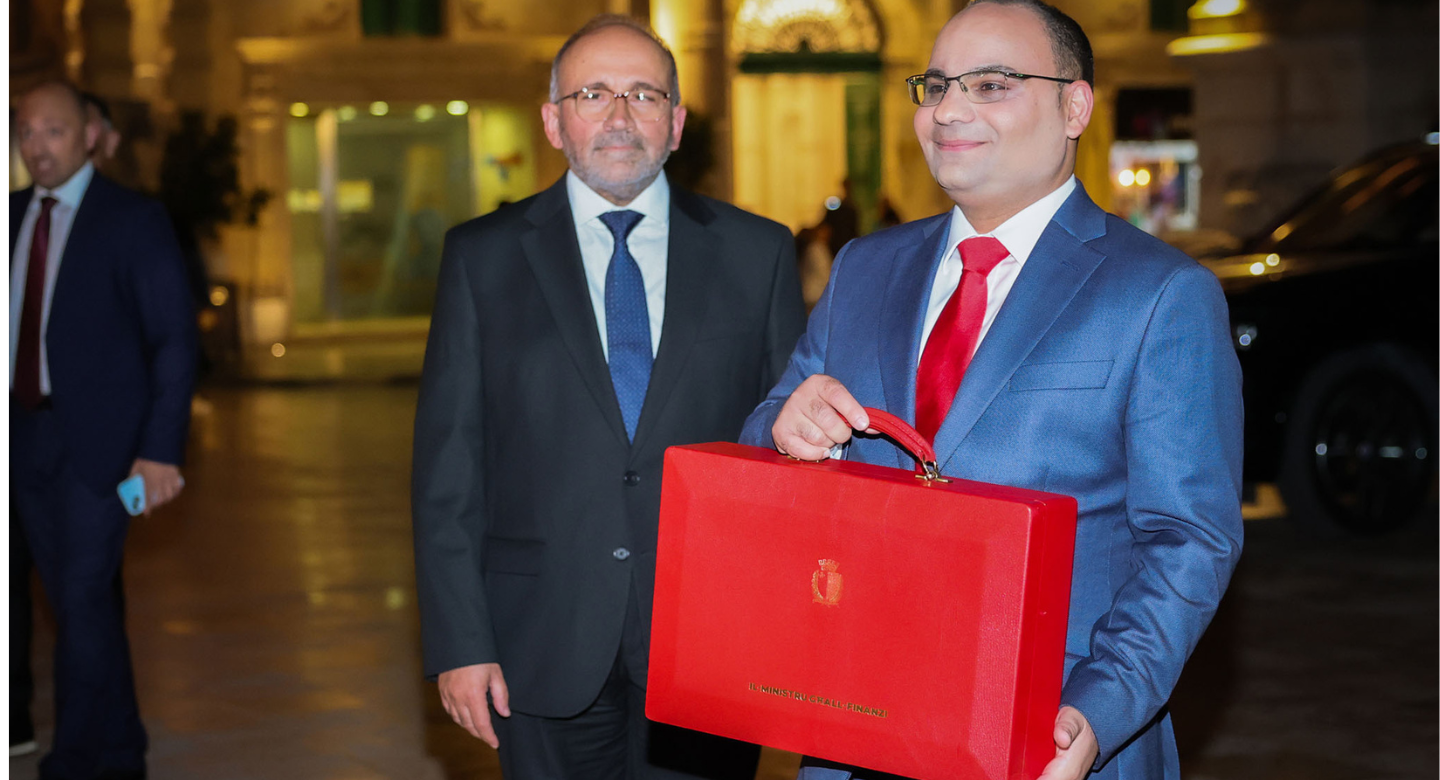
A budget of hugs, handouts and scapegoats


Watchdog exposes government recruitment chaos but keeps ministries unnamed
Tags
#eu students
#non-maltese
#schools
#TCNs
Other News
More losses at Shoreline as financial squeeze intensifies
Three consortia bid for new hospital tender – all exceed €1.3 billion budget
A budget of hugs, handouts and scapegoats
Watchdog exposes government recruitment chaos but keeps ministries unnamed
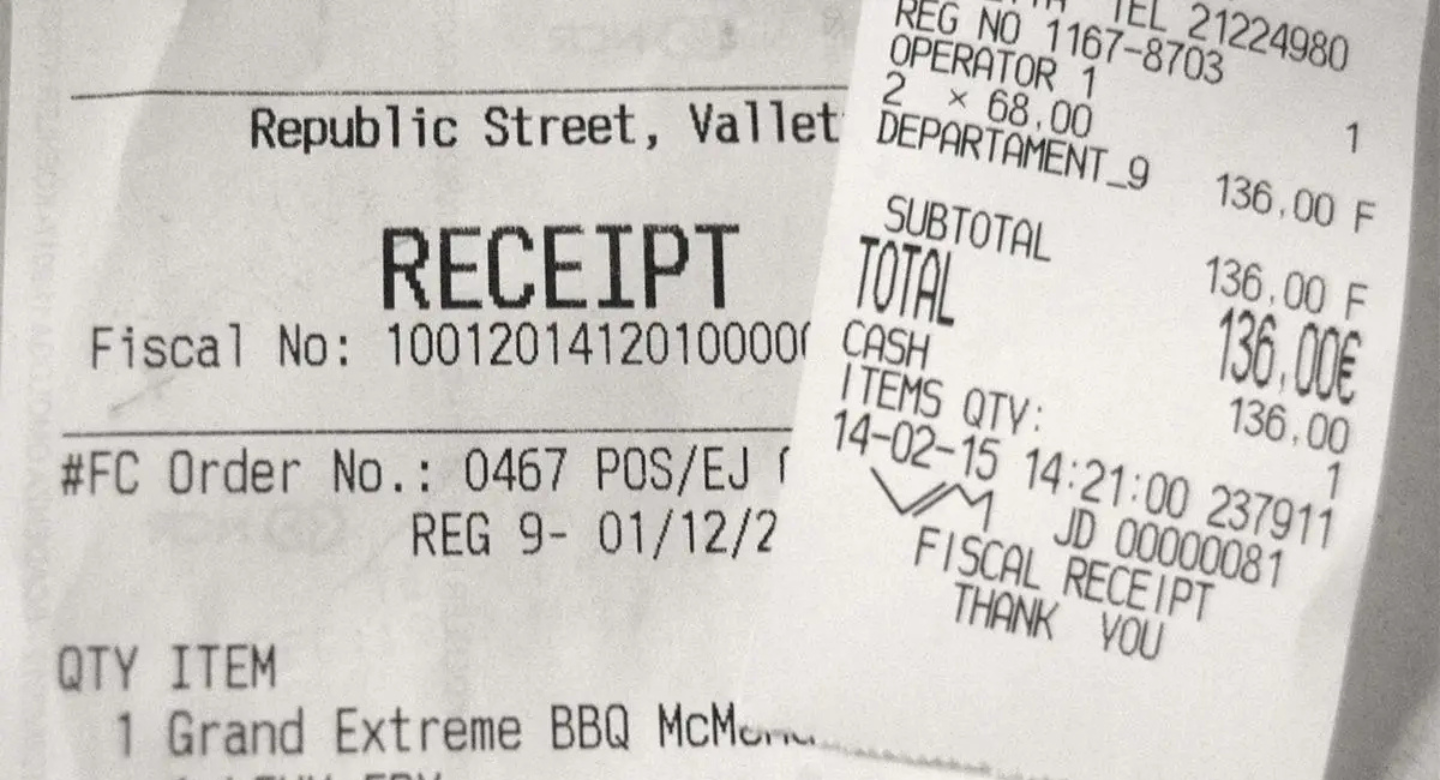
VAT lottery changes follow scrutiny over suspicious repeat wins
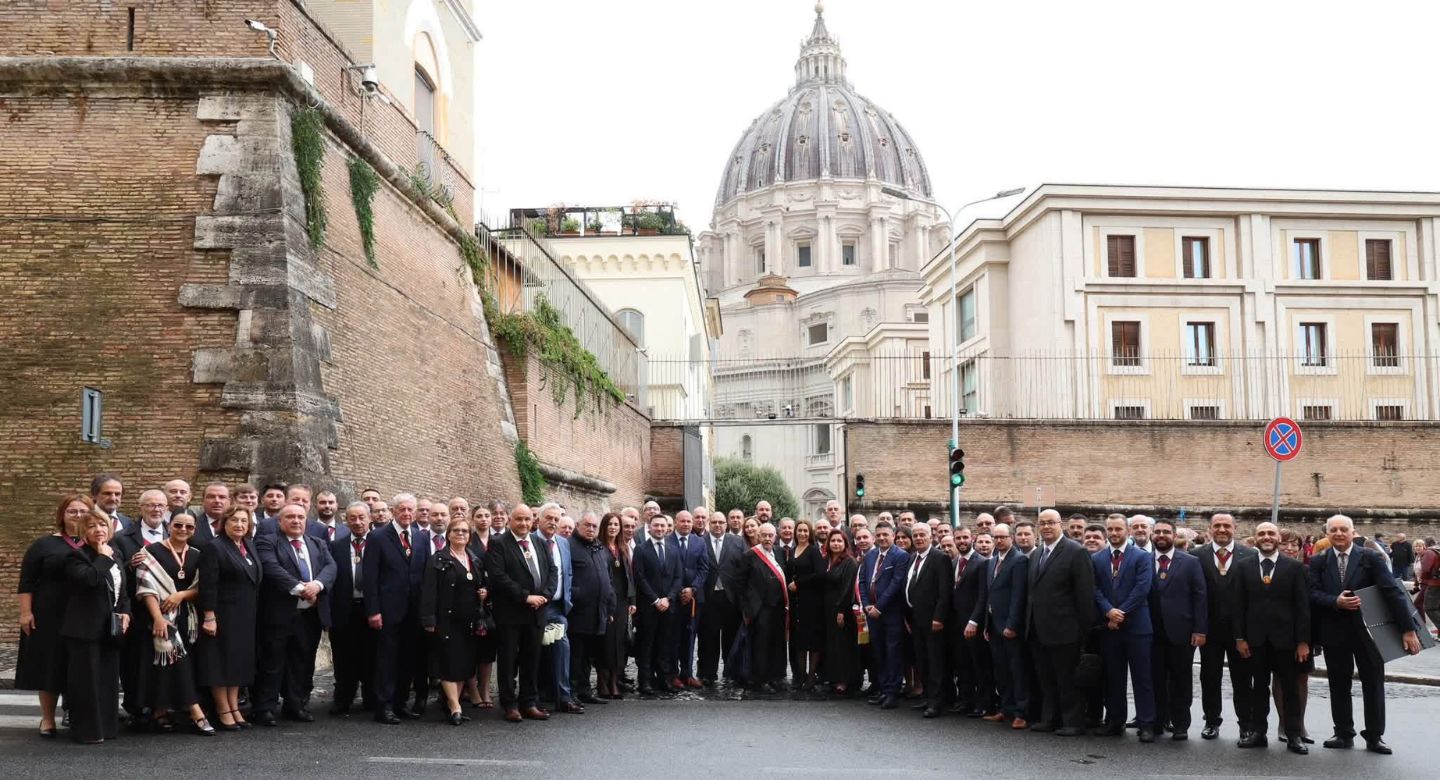
Charter flight and pocket money paid by taxpayers for mayors’ botched papal audience

King Corrupto and the blame game


€9 million splashed on government boards as wives also benefit irregularly

Indian students up 35%, Chinese 29%, Maltese down 2.2% in a year
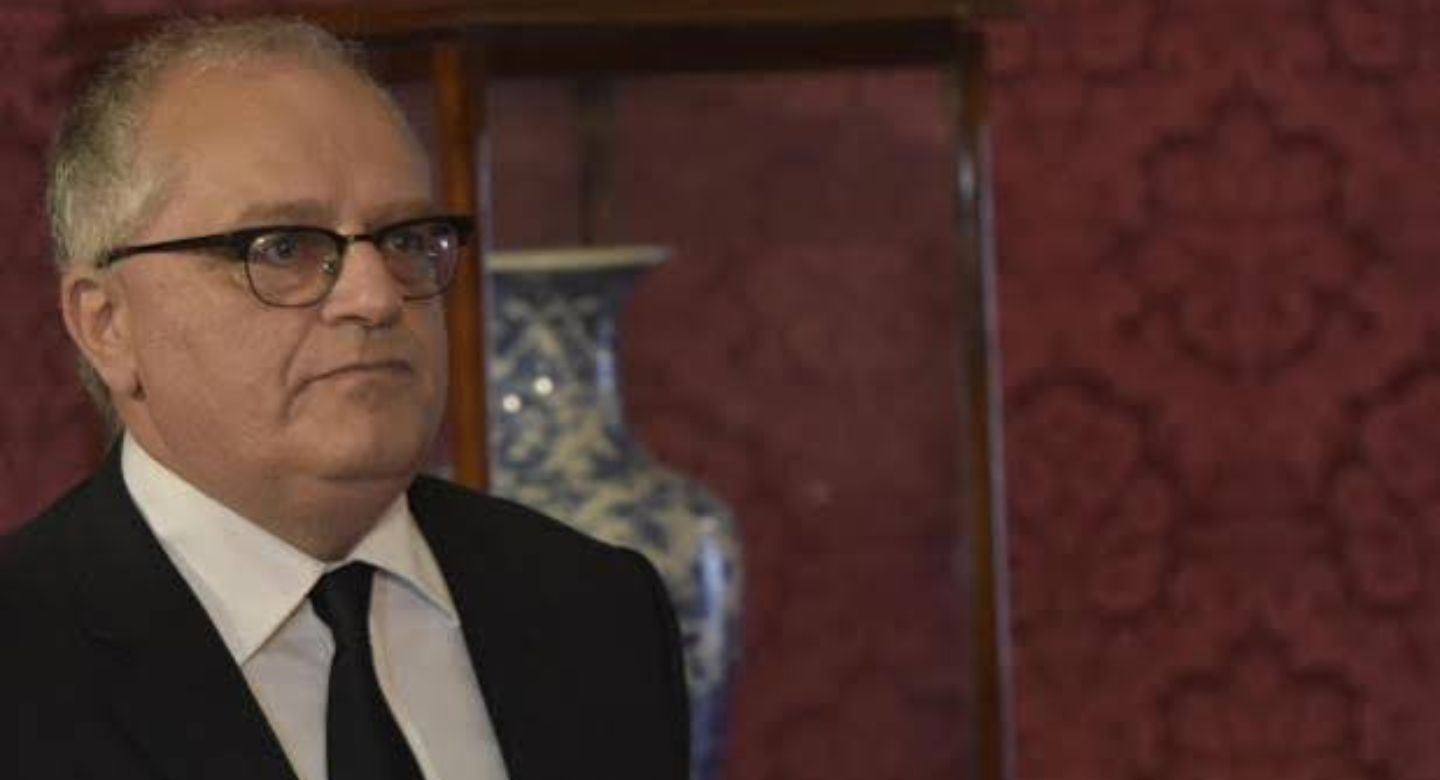
Retired judge handed €72,000 salary and chauffeur to monitor government advertising
€1 billion in government tenders challenged in 2025
