

Sign up to our newsletter Stay in the know
"*" indicates required fields
Subscribe
Login
0 Comments
Oldest
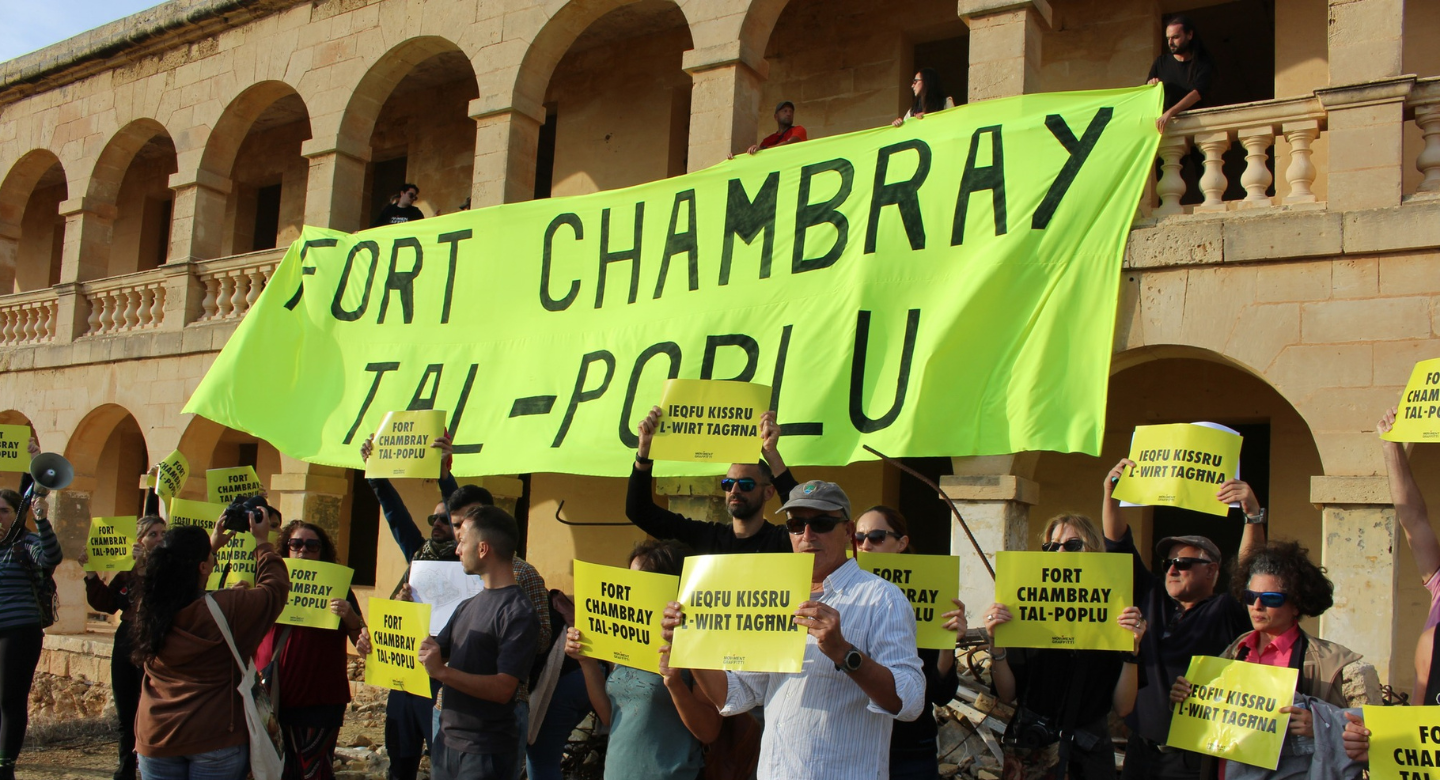
Government makes U-turn on Chambray, leaves protection and public access unclear
The government has reversed course on plans to demolish Fort Chambray’s historic... View more

Dalli’s trusted aide leaves regulator after clash over interference
Maria Aquilina, a longstanding trusted aide to Energy Minister Miriam Dalli, left... View more

Dripping poison
My instinct, as a lawyer and as someone who believes that institutions... View more


Rare PL-PN unity as Siġġiewi vows to stop crematorium
Nationalist and Labour councillors in Siġġiewi have united in a rare bipartisan... View more

Tags
#judge
#Melvin Theuma
#pardon
#Yorgen Fenech
Other News
Government makes U-turn on Chambray, leaves protection and public access unclear
The government has reversed course on plans to demolish Fort Chambray’s historic... View more
Dalli’s trusted aide leaves regulator after clash over interference
Maria Aquilina, a longstanding trusted aide to Energy Minister Miriam Dalli, left... View more
Dripping poison
My instinct, as a lawyer and as someone who believes that institutions... View more
Rare PL-PN unity as Siġġiewi vows to stop crematorium
Nationalist and Labour councillors in Siġġiewi have united in a rare bipartisan... View more

MeDirect rejects bond disclosure allegations, warns Vaswani of damages claim
MeDirect Bank has rejected allegations that it misled prospective bond investors by... View more
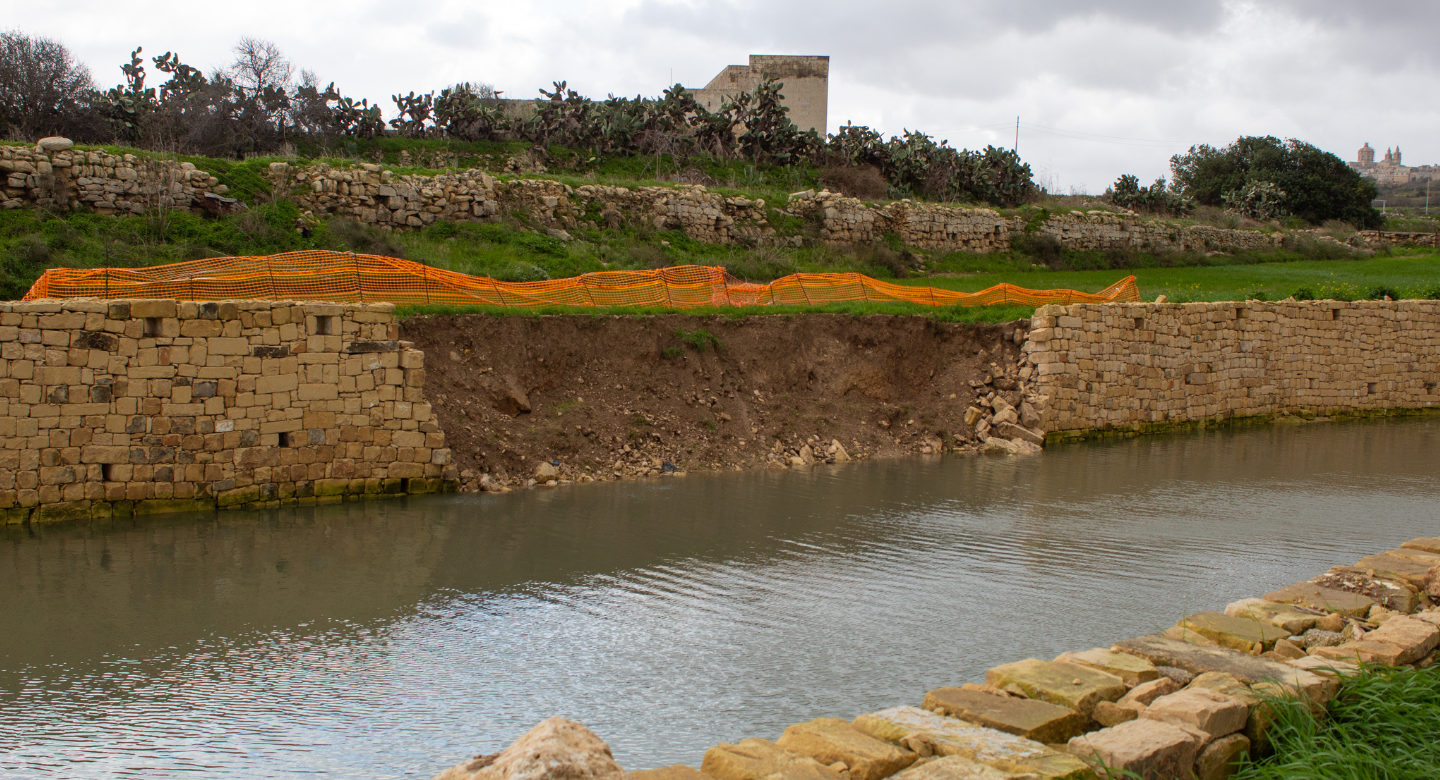
Dalli finds the culprit of Wied Speranza: water in a valley
Environment Minister Miriam Dalli has attributed the collapse of a newly rebuilt... View more
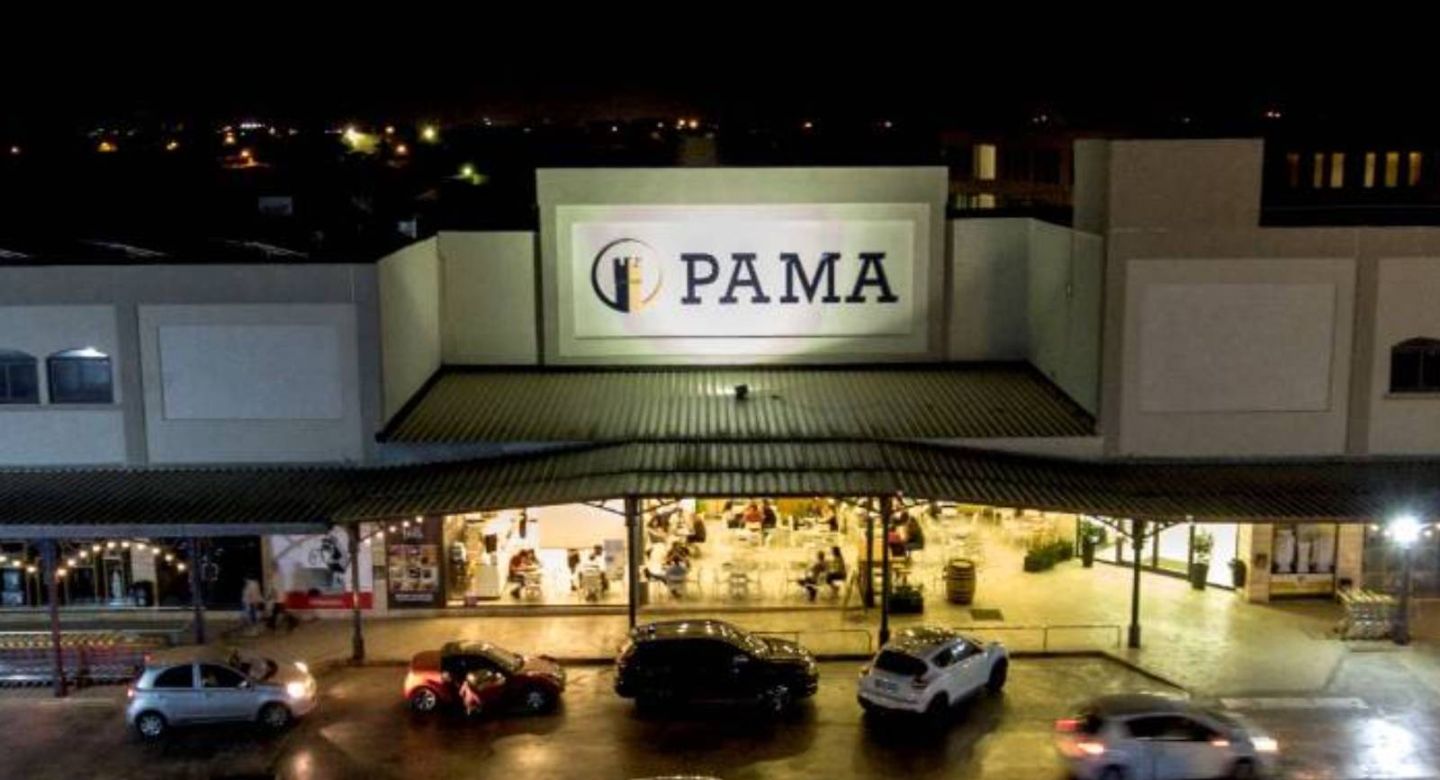
Pama directors’ bonuses rise 21% as operating profit falls
PG Group, the operator of PAVI and PAMA supermarkets, among other businesses,... View more

Clyde Caruana livid as Lydia crosses the line
Finance Minister Clyde Caruana is livid over Lydia Abela’s unusual announcement of... View more

Minister ordered to appoint Luke Dalli as PBS deputy chairman
Luke Dalli, the son of former Labour Minister Helena Dalli, is being... View more

Kurt Farrugia ‘forgot’ to publish direct orders
Malta Enterprise has admitted failing to publish procurement information from 2023 within... View more

Malta increases its dependency on imported electricity as population surges
Malta relied more heavily on imported electricity in 2025, with almost a... View more

Turkish bank fails to lift €25 million security tied to Shoreline’s dispute
Turkish bank Akbank has failed in its attempt to release or reduce... View more