

The world’s largest auditing and accounting firms, all represented in Malta, are actively designing and marketing tax structures that allow major US corporations to shift profits to Malta and reduce their tax bills, according to an investigation by The New York Times.
KPMG, PwC, Deloitte and EY – collectively known as the Big Four – are described as playing a central role in turning Malta into an increasingly attractive destination for multinational companies seeking to minimise their tax liabilities.
“The choreographers are the Big Four,” former KPMG and EY tax lawyer Michael Hamersley told the US newspaper. “They seek out the opportunity to exploit the tax system.”
The investigation focuses particularly on US footwear giant Crocs, which sells its products in more than 100 countries but has claimed its global profits were earned through a Maltese operation consisting of a tiny two-person office in an old brewery.
According to the NYT, Crocs uses loans between its own subsidiaries to move profits from higher-tax jurisdictions where it sells its shoes to Malta.
Maltese company filings cited by the newspaper show that the arrangement reduced Crocs’ 2023 tax bill by $218.6 million.

The NYT reported that accounting firms, who are also regularly tasked to advise the Maltese government, are not merely auditing the companies involved but actively marketing Malta-based structures and helping provide the infrastructure required to operate them.
This includes supplying local tax advisers to serve as directors of Maltese companies, while colleagues at the same professional services firms may audit their financial statements.
The newspaper also obtained a recent KPMG presentation setting out a structure designed around the new 15% global minimum corporate tax regime.
Under the arrangement, a US corporation establishes a financing entity in Malta, which in turn opens a US branch. According to the investigation, the structure can allow low-taxed Maltese profits to be blended with higher-taxed US profits, limiting the impact of the international minimum-tax rules.
KPMG told the NYT that the interaction between different countries’ tax systems and the new international rules created “complexity and uncertainty” for multinational companies.
The industry’s involvement in developing Malta’s tax structures stretches back decades.
Former finance minister John Dalli, still facing ongoing corruption charges in court, told the newspaper that, while in government, he had hired KPMG to draft legislation intended to help Malta compete with offshore financial centres including Bermuda and Grand Cayman.
PwC was meanwhile promoting what it called a “double Malta” structure as far back as 2006, advertising the possibility of corporate tax rates in the single digits.
The latest investigation suggests Malta’s attractiveness to US corporations has increased substantially.
Following Malta’s 2023 decision to postpone implementing the international minimum-tax regime for six years, US corporations including Victoria’s Secret, Kraft Heinz and PepsiCo established hundreds of Maltese companies, according to the NYT.
The number of Maltese subsidiaries established by US companies has increased by almost 70% over the past three years, according to US securities filings and Maltese corporate records analysed by the newspaper.
During a visit to Malta, an NYT reporter also went to an address registered as the headquarters of numerous US corporate subsidiaries.
The reporter found empty offices with their lights switched off and nameplates for companies including Skechers, Microchip Technology and Thermo Fisher Scientific.
Despite Malta’s official corporate tax rate of 35%, its shareholder refund system and other structures can reduce the effective tax paid by companies to a fraction of that rate.
The Maltese government earns hundreds of millions of Euros a year through these schemes.
Sign up to our newsletter Stay in the know
"*" indicates required fields

Malta increases its dependency on imported electricity as population surges


Turkish bank fails to lift €25 million security tied to Shoreline’s dispute
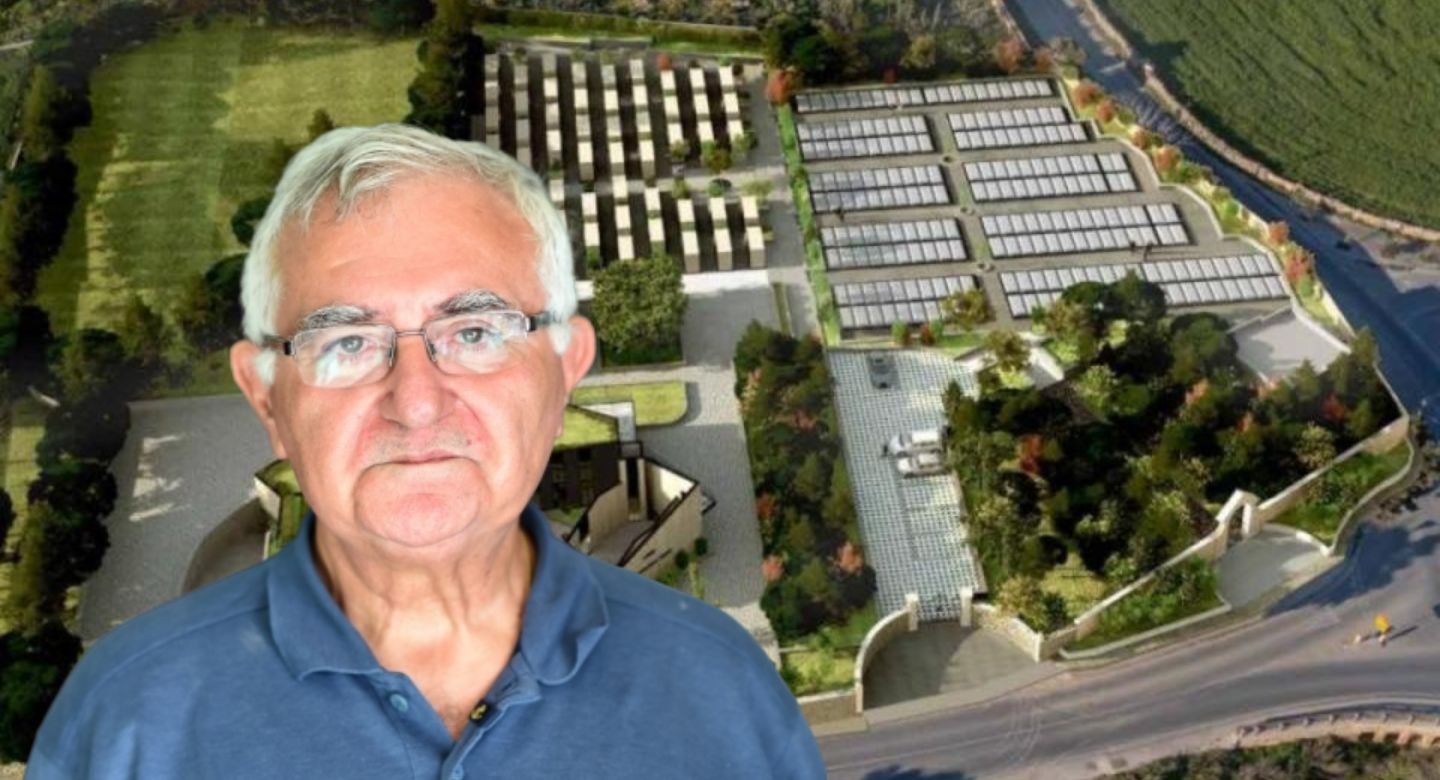
Controversial crematorium is in John Dalli’s ‘back garden’ – ERA missing in action

Doctors demand halt to health centre testing before further talks
Tags
#avoidance
#big four
#new york times
#taxes
Other News
Malta increases its dependency on imported electricity as population surges
Turkish bank fails to lift €25 million security tied to Shoreline’s dispute
Controversial crematorium is in John Dalli’s ‘back garden’ – ERA missing in action
Doctors demand halt to health centre testing before further talks

Malta last in EU Parliament attendance rankings

One in four licensed short lets concentrated in St Paul’s Bay and Sliema

Bonnici hails progress at housing project caught in crisis that sank Galdes

Employers slam Clyde Caruana’s cheap talk

PA’s handling of rival crematorium applications raises a stink

Super CEO’s wife seconded to Mater Dei top job

Caruana again dodges questions over KM Malta’s finances as airline in dire straits
