

Malta’s economy may continue to outperform most of Europe, but the country’s independent fiscal watchdog, appointed by Finance Minister Clyde Caruana, strongly warned that economic growth is being driven by the wrong factors and is becoming increasingly unsustainable.
In its assessment of the government’s macroeconomic forecasts for 2026, the Malta Fiscal Advisory Council (MFAC) endorsed the Finance Ministry’s prediction that the economy will expand by 3.7% in 2026.
However, buried beneath the headline growth figures is a stark message: Malta’s economic model is relying too heavily on population growth, migrant labour and public spending, while productivity remains stagnant.
The Council’s report repeatedly questions whether the country’s growth trajectory can be sustained without worsening pressures on infrastructure, public services and competitiveness.
While Malta’s unemployment rate is expected to remain among the lowest in Europe at 3.2%, and employment is forecast to grow by another 12,000 workers in 2026, the MFAC notes that labour productivity, a key measure of economic efficiency, is projected to increase by just 0.1%.
At the same time, wages are expected to rise by 4.4%, continuing a trend in which labour costs are increasing much faster than productivity.
“Malta’s economic growth should not continue to rely predominantly on increases in labour supply,” the Council warned.
The report highlights how economic growth in recent years has been fuelled largely by an expanding workforce, increasingly sustained through inward migration.

Between 2022 and 2025, Malta’s population grew by around 54,000 people, equivalent to more than 10% of the country’s population.
While this demographic expansion has supported consumer spending and economic activity, the Council says it has also intensified pressure on roads, housing, public services, infrastructure and natural resources.
The latest warning comes amid growing public concern over overcrowding, traffic congestion, environmental degradation, and the strain placed on healthcare and other public services by rapid population growth.
MFAC’s report notes that despite years of strong economic expansion, productivity growth has remained weak and, in some years, even declined. This suggests that economic output is being generated primarily through the addition of workers rather than through innovation, technology, skills development or greater efficiency.
The Council recommends that Malta undertake a fundamental shift towards a productivity-driven economy.
It points out that investment in research and development remains exceptionally low, amounting to just 0.3% of GDP, while the country continues to lag behind many European peers in capital intensity, the amount of productive capital available per worker.
“Continued reliance on demographic expansion as a driver of growth will therefore give rise to capacity constraints and exacerbate existing structural pressures,” the report states.
The watchdog also expressed doubts about some of Finance Minister Clyde Caruana’s growth assumptions.
Although investment is forecast to grow strongly, the Council warned that public investment targets appear overly ambitious given repeated failures to deliver projected infrastructure spending in recent years. It noted that public investment has consistently fallen short of forecasts by around €200 million annually.
At the same time, the Council believes government consumption expenditure could grow faster than the government predicts, further increasing the economy’s dependence on state spending rather than productive investment.
The report’s broader message is that strong GDP figures alone no longer tell the full story.
While Malta may still be one of Europe’s fastest-growing economies, the Council argues that growth is increasingly being achieved through population expansion and higher labour inputs rather than productivity gains.
Unless policymakers shift their focus towards innovation, skills, technology and productive investment, the Council warns that the country’s current economic success risks becoming increasingly difficult to sustain.


Sign up to our newsletter Stay in the know
"*" indicates required fields

Caruana again dodges questions over KM Malta’s finances as airline in dire straits


Another chairmanship for the Mizzis as Byron Camilleri appoints Antonio

Dizz repays €8 million bond after completing Tigne shopping mall company sale

PN loses more experience as Alex Borg sacks his spokesman
Tags
#Clyde Caruana
#Economy
#GDP
#growth
#Malta Fiscal Council
#warning
Other News
Caruana again dodges questions over KM Malta’s finances as airline in dire straits
Another chairmanship for the Mizzis as Byron Camilleri appoints Antonio
Dizz repays €8 million bond after completing Tigne shopping mall company sale
PN loses more experience as Alex Borg sacks his spokesman

Abela gets another drubbing by PL delegates
Galdes ‘parked’ at National Skills Council

MTA in financial meltdown

International press freedom groups urge Abela to open media bill to scrutiny
Buttigieg stops short of direct action against Carlo Stivala’s new illegal structure
Revealed – Minister awards €53,300 property lease direct order to his own agency chair
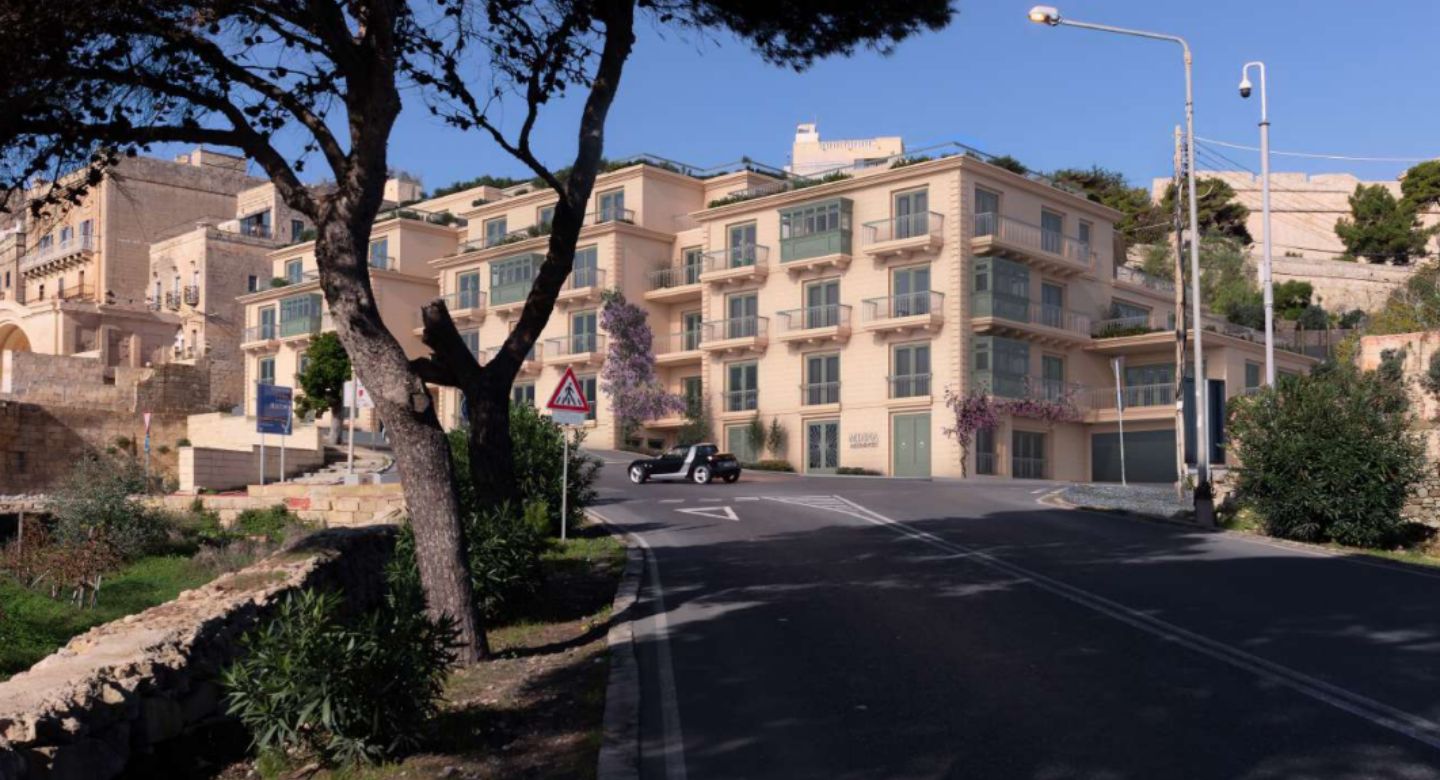
PA postpones Saqqajja flats decision amid ground stability concerns

Daqt jikkrolla kollox tinkwietaw xejn! U dal poplu bezziegh ghalhekk ivvota lil PL ghax Abela bezzghu bl ekonomija b sahhitha!! L istess bhal ma gara tal-kacca, bidillu tal fknk irnexxielu ibezza dal poplu bezziegh bid-delizzji w gabu fejn ried!!
Issa qeghedin jitkelmu ghax ma tkelmhux ix xahar liehor jew bezhaw jispiccaw bla xoghol viva il gahan
PL GOVERNMENT SUPPORTERS NEVER UNDERSTAND THAT ALL THAT GLITTERS IS NOT GOLD.