
The Labour Party likes to present itself as the party that gets things done. Yet when Parliament had the opportunity to scrutinise one of the biggest public failures of the summer – the widespread electricity outages that left thousands of households and businesses without power – Labour’s instinct was to refuse to even have the discussion.
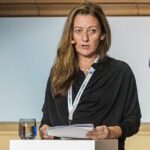
Parliament’s Public Accounts Committee exists precisely because Parliament cannot function if governments are allowed to decide which uncomfortable subjects deserve examination. Yet Labour’s members on the committee, MPs Ramona Attard, Deborah Schembri, Nigel Vella and Alex Muscat voted against discussing the power cuts, outvoting the PN committee members.
Committee chairman Darren Carabott pointed out that Labour’s position broke with the committee’s long-established practice. Traditionally, one side proposes an item for discussion and the other side’s proposal follows with the next topic, allowing both government and opposition equal opportunity to scrutinise matters of public importance.
“This is a first. It’s never happened… that we stop each other from an investigation,” Carabott said.
Rejecting the Opposition’s proposed discussion altogether was, Carabott argued, contrary to that practice.
That matters because parliamentary committees only retain credibility if both sides respect the rules of engagement. Once the government begins deciding which topics may or may not be discussed, oversight becomes theatre rather than scrutiny.
And if there was ever a subject deserving parliamentary examination, it was Malta’s electricity network. This was not a minor technical hiccup.
For days, entire localities experienced repeated and prolonged blackouts during one of the hottest periods of the year as temperatures climbed above 40 degrees. Elderly residents worried about medical equipment. Parents threw away spoiled food. Businesses closed early or relied on expensive generators.
Restaurants lost stock. Pharmacies and clinics scrambled to protect temperature-sensitive medicines. Social media became a running log of frustration as residents reported neighbourhood after neighbourhood going dark, often repeatedly, with little information about restoration times.
Government itself acknowledged widespread outages and later announced compensation for customers who suffered interruptions exceeding six hours. But the public wanted answers, especially as the worst of the summer heat is yet to come, and they have no guarantee this will not happen again.
They have no reassurances the problems with the distribution network have been solved, as generators kept popping up in different localities – not for all of those suffering because it seems even generators are hard to come by.
No minister has become more closely associated with this failure than Energy Minister Miriam Dalli. Her political brand has long rested on carefully managed communications, glossy announcements, a raised eyebrow, and ambitious promises about investment in the energy sector. Yet infrastructure does not run on promotional videos.
Electricity cables do not become more resilient because ministers hold press conferences.
For years, the government has celebrated record economic growth, record construction, record tourism and record population increases. Every one of those records translated into greater demand on Malta’s electricity network.
None of that demand arrived unexpectedly. It was measurable. Forecastable. Entirely predictable.
Yet every summer the country is told that extraordinary temperatures created extraordinary circumstances.
Extraordinary? Heatwaves are no longer extraordinary. They are part of the Mediterranean climate that policymakers themselves cite when discussing climate change. If your infrastructure repeatedly fails during foreseeable summer peaks, the problem is not the weather. It is planning.
Then came Prime Minister Robert Abela’s intervention.
His instruction for Enemalta to speed up maintenance landed with all the authority of someone telling firefighters to hurry while the house is already burning.
The order quickly became an object of public ridicule because it added nothing. Maintenance schedules cannot simply be wished into existence after years of delayed investment decisions.
Networks are strengthened before demand peaks, not while cables are already failing.
Labour’s refusal to debate the issue at the Public Accounts Committee only reinforced the impression that the government sees parliamentary scrutiny as an inconvenience rather than a constitutional obligation.
Confidence in government is not measured by how often ministers insist everything is under control. It is measured by their willingness to answer difficult questions when things are plainly not under control.
Instead, Labour chose avoidance. That choice is particularly remarkable because governments that are confident in their record usually welcome opportunities to defend it. Ministers who believe they have acted responsibly normally seize committee hearings to present evidence, explain decisions and rebut criticism.
Rejecting the discussion altogether creates the opposite impression. It suggests a government more comfortable managing headlines than confronting facts.
The irony is that parliamentary scrutiny is not an attack on democracy. It is democracy.
When the lights go out across communities, Parliament should be among the first places where explanations are demanded. Not because the Opposition requested it, but because citizens deserve it.
Every blackout represents more than an inconvenience. It is a test of whether essential public infrastructure has kept pace with the country’s growth. It is a test of political competence. And it is a test of institutional accountability.
Labour failed all three.
Labour MPs had a straightforward choice. They could allow Parliament to examine what went wrong and explain how future failures would be prevented. Or they could vote to shut the conversation down. They chose silence.
Unfortunately for them, silence is much harder to maintain when the country is sitting in the dark.
Sign up to our newsletter Stay in the know
"*" indicates required fields

Two managers for every three administrative staff at the BCA


Labour president handed embryo regulator’s top job amid conflict-of-interest concerns

Where are the Moroccans? Outside Glenn’s job description
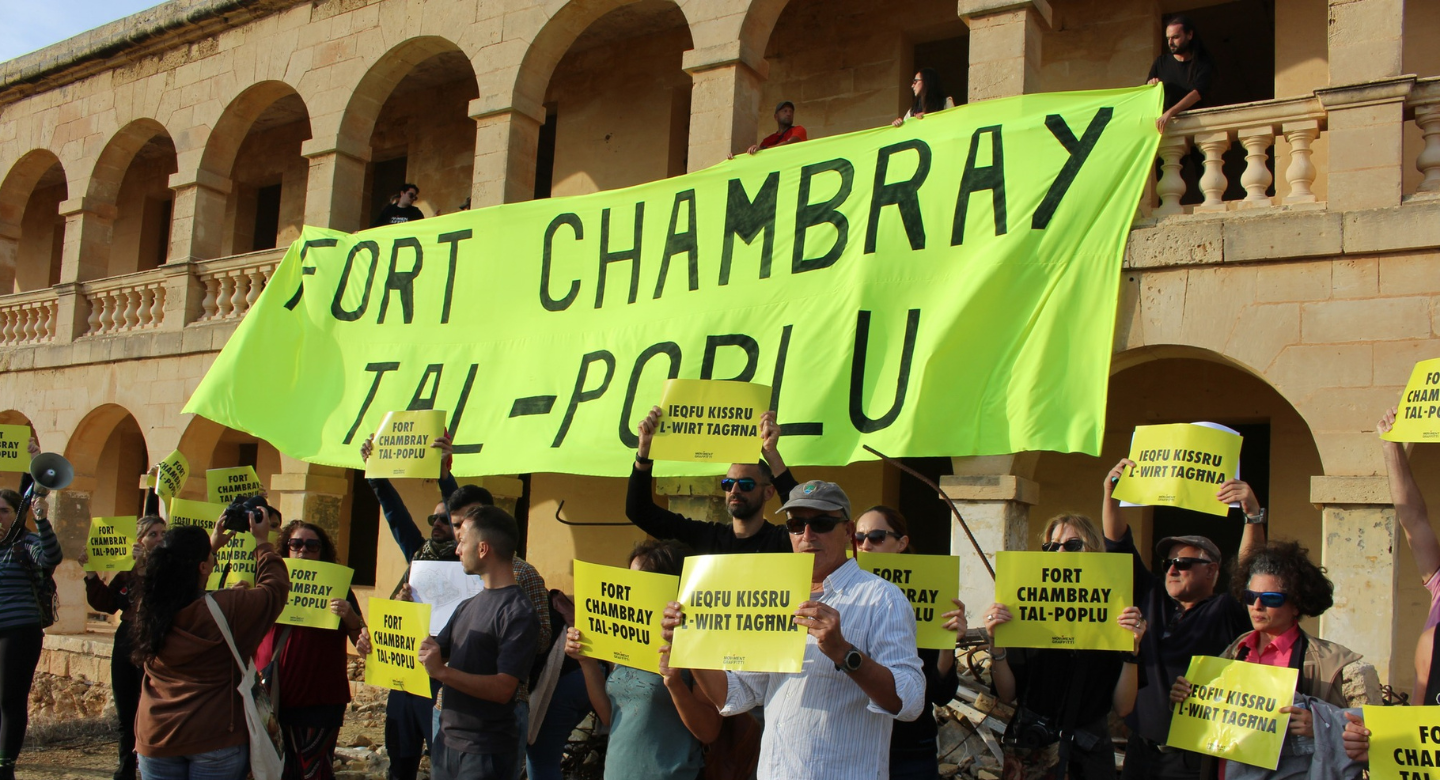
Fort Chambray decision is not enough – NGOs

Tags
#electricity
#Energy Minister Miriam Dalli
#Malta Prime Minister Robert Abela
#MP Darren Carabott
#power cuts
#Public Accounts Commitee
Other News
Two managers for every three administrative staff at the BCA
Labour president handed embryo regulator’s top job amid conflict-of-interest concerns
Where are the Moroccans? Outside Glenn’s job description
Fort Chambray decision is not enough – NGOs
Regulator rejects BOV’s nomination for top risk post
Terminated Housing Authority contractor formed company months before €6.5m Siġġiewi contract
Government makes U-turn on Chambray, leaves protection and public access unclear

Dalli’s trusted aide leaves regulator after clash over interference

Dripping poison


Rare PL-PN unity as Siġġiewi vows to stop crematorium

MeDirect rejects bond disclosure allegations, warns Vaswani of damages claim
Krizi w ma jridux jiddiskutu! U l poplu?? Igerger biss! Hu go fik! Tinsiex tmur tivvota hames snin ohra!