

With The Odyssey currently showing in cinemas, we’re reminded of the Trojan horse. The Greeks left an enormous gift at the gates of Troy. The Trojans brought it inside. One imagines the Greeks were delighted by the reception.
Clifton Grima, our current justice minister, has brought us a gift of his own. The government’s promised media reform, he assures us, will protect journalists. It will not increase the ceiling on libel damages, despite the enthusiasm some of his colleagues have shown for doing just that. He is against warrants for journalists, too.
Good. Thumbs up on both points. A journalist does not need anyone’s permission to be a journalist, nor is it necessary for that status to be attributed by someone in order to qualify for protection. Those of us who remember stuff remember Joseph Muscat’s lawyer making great bales of hay with Daphne Caruana Galizia not being a journalist, after all.
And despite Ramona Attard’s spluttering inanities, nor would making it more expensive to lose a libel case do much to encourage the scrutiny of powerful people.
I would prefer to analyse Minister Grima’s proposals when the nitties and the gritties see the light of day, just as I would like to see them in connection with the argument Minister Owen Bonnici has picked with Vincent De Gaetano, a former chief justice and Judge of the European Court of Human Rights, and a gentleman of acknowledged integrity.
De Gaetano says he withdrew from chairing the Daphne public inquiry because he felt the government was trying to interfere with how it would operate.
Minister Bonnici, now responsible for something other than justice, says their exchanges concerned practical arrangements. He points out that the inquiry had not yet been constituted and that he gave no instructions about what it should find, which witnesses it should believe or what conclusions it should reach.
Well, that settles it, doesn’t it? One man says he withdrew because of attempted interference. The other says he was only discussing practicalities.
Who on earth are we to believe?
Bonnici’s defence has a gaping hole. One need not dictate the final paragraph of an inquiry’s report to try to influence an inquiry. Questions about who asks the witnesses, how hearings are conducted and what is published are not necessarily mere stationery-and-seating matters. They may be perfectly proper subjects for discussion with a prospective Chair. They may also be matters on which that Chair insists on independence.
The correspondence, rather than Bonnici’s description of it, would help us judge which it was, though I’ll confess bias towards believing him somewhat less than he would like.
De Gaetano did not take the job and said why. Bonnici disputes that, pointing to the independence of the board that eventually conducted the inquiry. Post hoc, ergo propter hoc logic, if ever I saw it. Just because the inquiry, whose recommendations Labour in government has failed to implement in any meaningful way, was eventually independent doesn’t mean that Bonnici wasn’t trying to mess with it.
Now, Grima says the government wishes to protect journalists. Great, thanks, mate, good on you.
In the meantime, however, Grima might reflect on how difficult it is to sell protection as a gift while an argument about the Daphne inquiry remains unresolved in plain public view and while the findings of that very same inquiry remain shelved.
The Trojans, after all, were pleased with their horse right up to the point when they learned what was inside.
Sign up to our newsletter Stay in the know
"*" indicates required fields
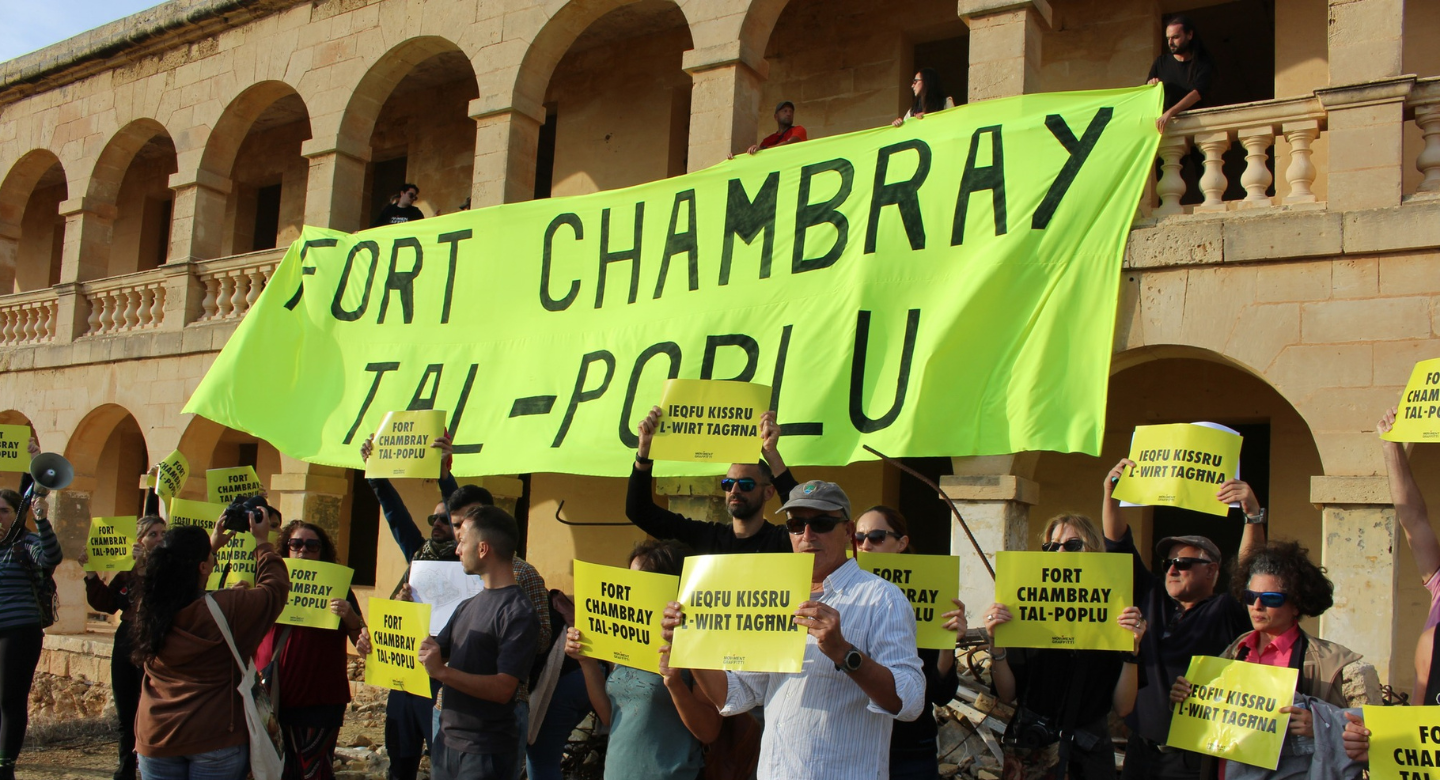
Government makes U-turn on Chambray, leaves protection and public access unclear


Dalli’s trusted aide leaves regulator after clash over interference

Dripping poison

Rare PL-PN unity as Siġġiewi vows to stop crematorium

Tags
#Clifton Grima
#Daphne inquiry
#libel
#media reform
#Owen Bonnici
#press freedom
#Vincent de Gaetano
Other News
Government makes U-turn on Chambray, leaves protection and public access unclear
Dalli’s trusted aide leaves regulator after clash over interference
Dripping poison
Rare PL-PN unity as Siġġiewi vows to stop crematorium

MeDirect rejects bond disclosure allegations, warns Vaswani of damages claim
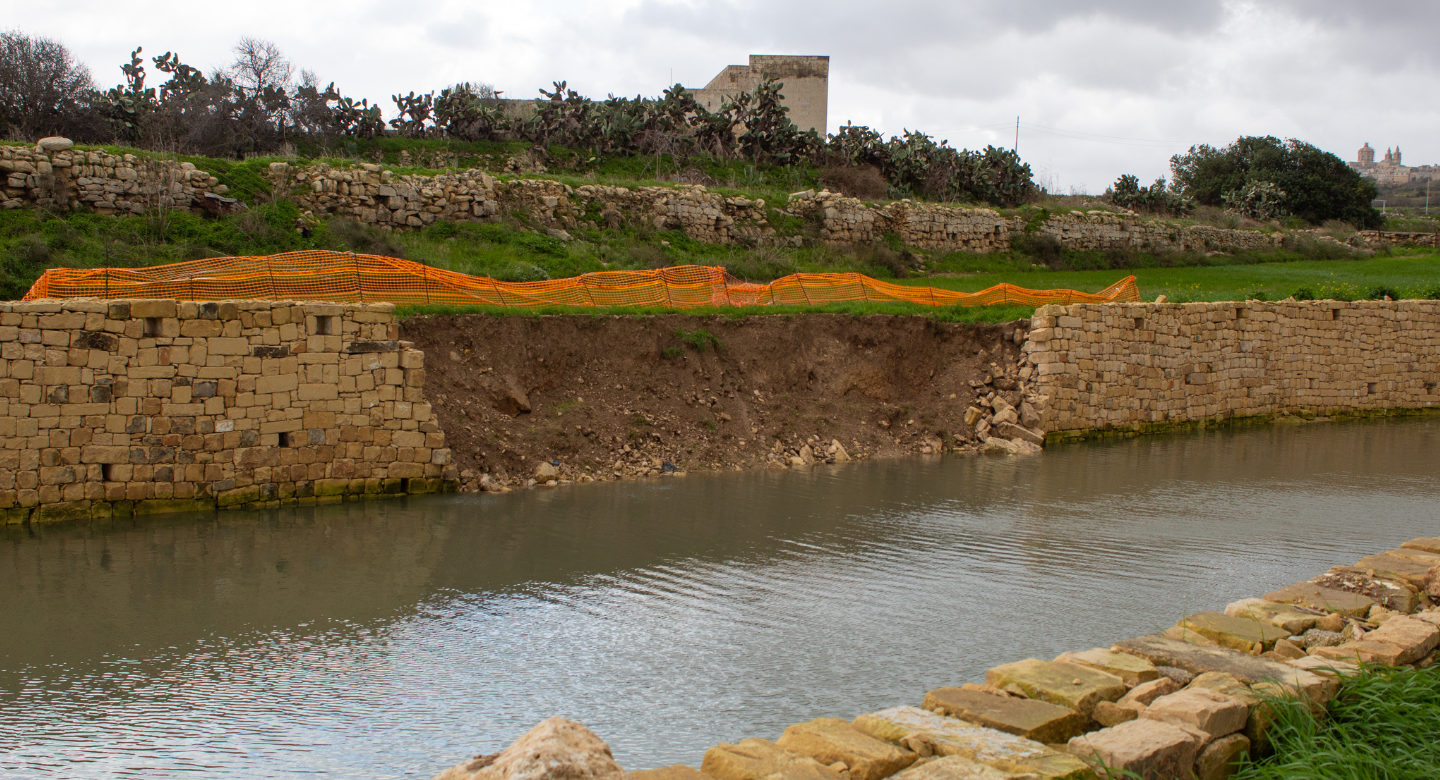
Dalli finds the culprit of Wied Speranza: water in a valley
Pama directors’ bonuses rise 21% as operating profit falls
Clyde Caruana livid as Lydia crosses the line

Minister ordered to appoint Luke Dalli as PBS deputy chairman

Kurt Farrugia ‘forgot’ to publish direct orders

Malta increases its dependency on imported electricity as population surges
