
The Malta Financial Services Authority’s ambitious plan to free itself from dependence on taxpayers has unravelled completely, with the financial regulator now relying on its highest-ever government subsidy while still ending the year in deficit.
The MFSA’s newly published 2025 annual report shows the Authority received €20.8 million in government funding last year, an increase from €17.7 million in 2024. Despite collecting another €25.6 million in regulatory income from licence fees and supervisory charges, the Authority still recorded a deficit of €1.3 million after spending almost €49 million.
The figures stand in stark contrast to the strategy unveiled by the MFSA in 2019 under its then chief executive, Joseph Cuschieri.
At the time, Cuschieri had presented a five-year transformation plan aimed at making the regulator financially independent from government by 2024. The strategy was based on overhauling the Authority’s funding model by revising supervisory fees and ensuring that the financial services industry, rather than taxpayers, would shoulder the cost of regulation.
Instead, seven years later, the opposite has happened.
Not only has the MFSA failed to eliminate its dependence on public funds, but the government’s annual subsidy has continued to increase, reaching a record €20.8 million in 2025.
The Authority’s latest accounts show that, after generating €25.6 million in its own income and receiving an additional €20.8 million from the government, it had almost € 46.4 million available to finance its operations. Yet expenditure still exceeded income, with operating expenses climbing to €48.95 million, leaving the regulator in the red once again.
Although the deficit narrowed from €4.6 million in 2024 to €1.3 million last year, the improvement was largely driven by a sharp increase in regulatory income rather than any meaningful reduction in expenditure.

Operating costs actually increased by more than €8 million over the previous year.
The situation raises fresh questions about the long-term sustainability of the Authority’s finances and why the regulator continues to require substantial taxpayer support despite years of promises that it would become self-financing.
Cuschieri’s financial independence strategy formed part of a wider programme intended to modernise the MFSA following criticism of Malta’s regulatory framework and increasing international scrutiny of the country’s financial services sector.
The former chief executive resigned in 2020 after it emerged that he had accepted a luxury holiday in Las Vegas with businessman Yorgen Fenech, who at the time was under investigation over the assassination of journalist Daphne Caruana Galizia.
His departure left the implementation of the strategy to his successor, Kenneth Farrugia.
Years into Farrugia’s tenure, however, the Authority remains further away from that objective than ever before. Rather than delivering the self-financing regulator envisaged in the 2019 strategy, the MFSA now depends on a record €20.8 million annual government subvention while continuing to operate at a deficit. In fact, the Authority’s reliance on taxpayers is greater today than when the financial independence plan was first announced.
The latest figures suggest that, despite a change in leadership and years of organisational reform, one of the MFSA’s flagship strategic objectives has effectively collapsed.
Instead of becoming financially independent by 2024, as promised, the regulator has become even more reliant on public funds, raising fresh questions about the effectiveness of its long-term financial strategy and whether taxpayers are now footing a growing share of the bill for regulating Malta’s financial services industry.
Sign up to our newsletter Stay in the know
"*" indicates required fields
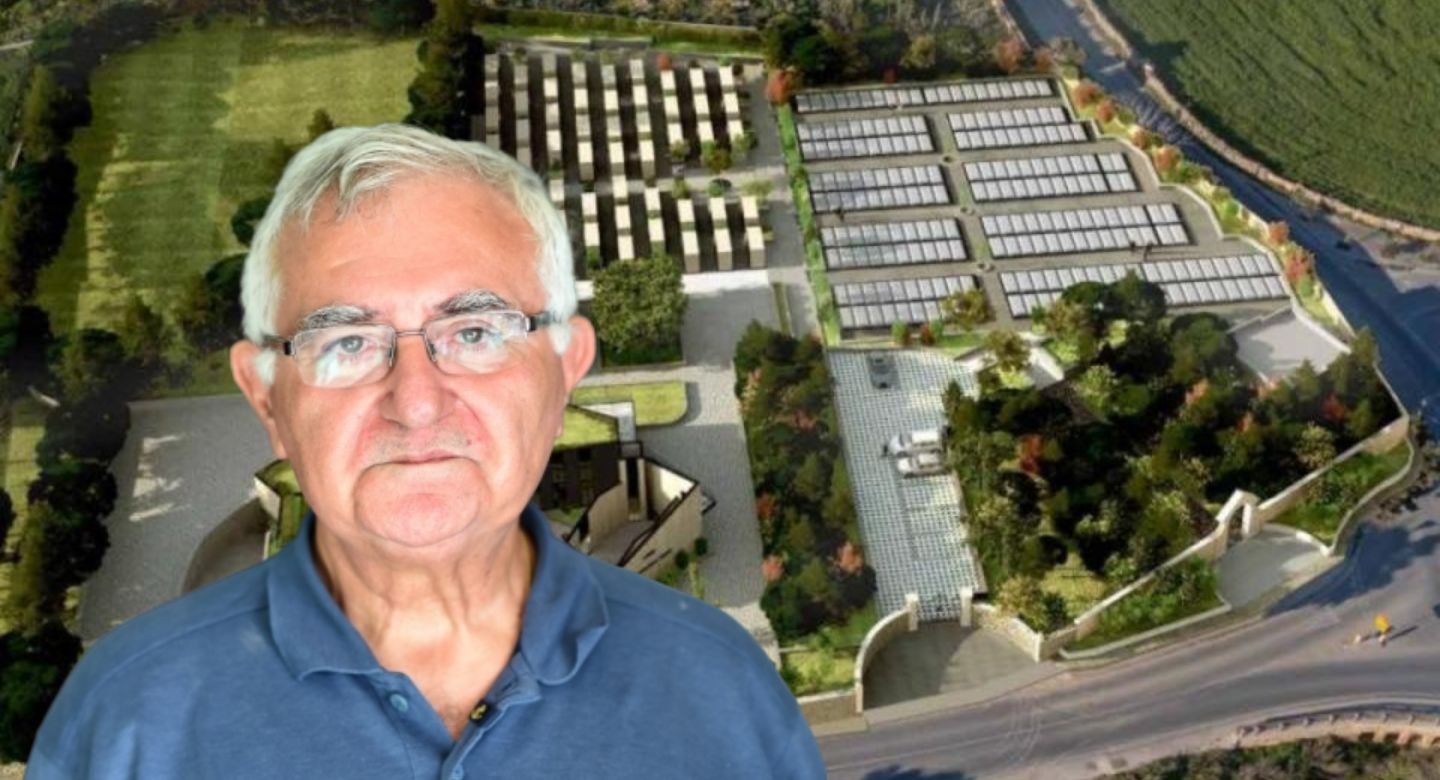
Controversial crematorium is in John Dalli’s ‘back garden’ – ERA missing in action


Doctors demand halt to health centre testing before further talks

Malta last in EU Parliament attendance rankings
One in four licensed short lets concentrated in St Paul’s Bay and Sliema
Tags
#collapse
#deficit
#Joseph Cuschieri
#Kenneth Farrugia
#MFSA
#strategic plan
#subsidies
Other News
Controversial crematorium is in John Dalli’s ‘back garden’ – ERA missing in action
Doctors demand halt to health centre testing before further talks
Malta last in EU Parliament attendance rankings
One in four licensed short lets concentrated in St Paul’s Bay and Sliema

Bonnici hails progress at housing project caught in crisis that sank Galdes

Employers slam Clyde Caruana’s cheap talk
PA’s handling of rival crematorium applications raises a stink
Super CEO’s wife seconded to Mater Dei top job

Caruana again dodges questions over KM Malta’s finances as airline in dire straits

Another chairmanship for the Mizzis as Byron Camilleri appoints Antonio

Dizz repays €8 million bond after completing Tigne shopping mall company sale
Supervisory fees will be taken by the EU authorities. Malta will depend on the government subsidies entirely. And the bill will grow in 2026 and 2027. May be even doubled.
Someone has to pay the bill.