

The Attorney General argued on Thursday that Yorgen Fenech “wanted, ordered, and paid” for the voluntary homicide of Daphne Caruana Galizia, as the prosecution concluded its opening address in the trial by jury over the journalist’s assassination.
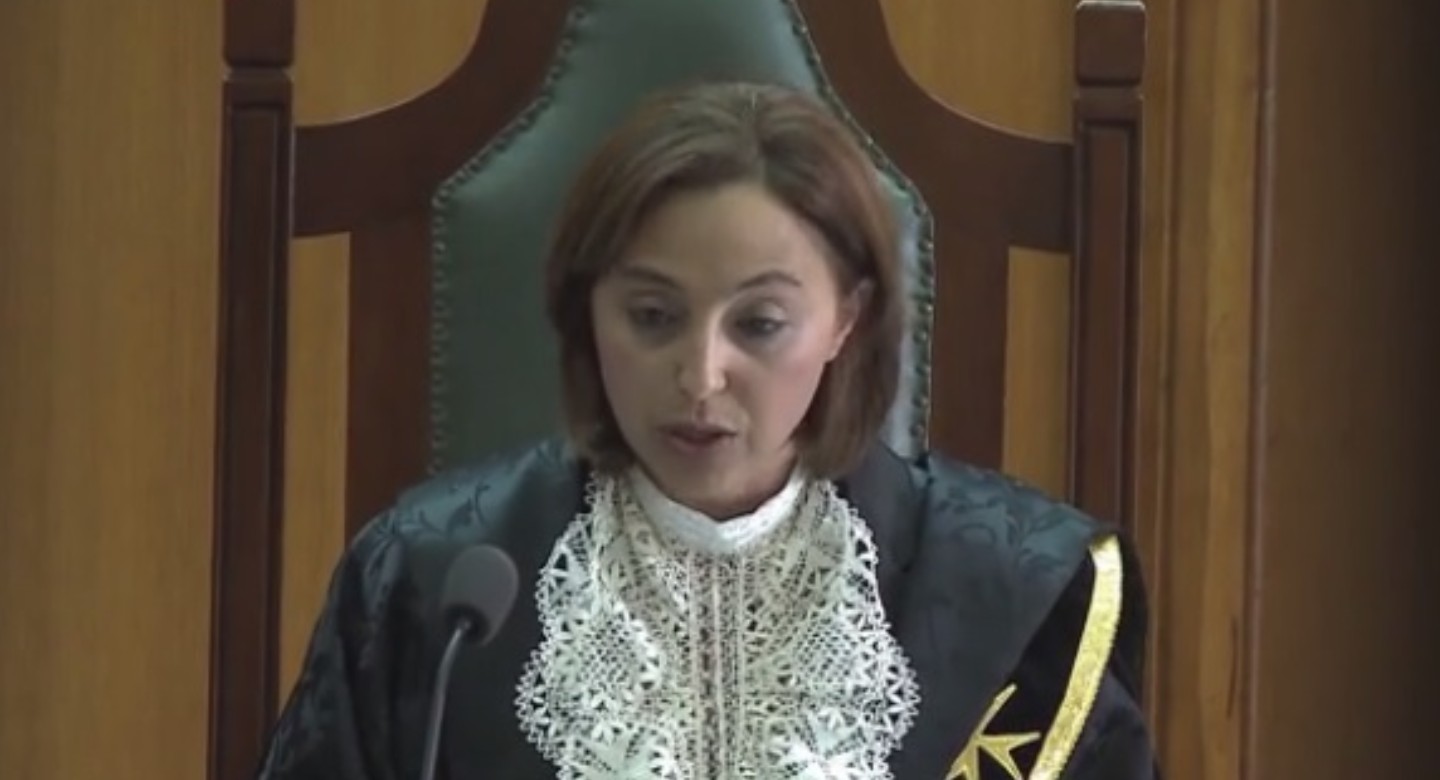
Addressing jurors before Madam Justice Edwina Grima, lead state prosecutor Anthony Vella said that the Office of the Attorney General would seek to prove that Fenech’s alleged role was central to the murder plot, arguing that without his participation, Caruana Galizia would not have been killed.
Fenech is being charged with voluntary homicide and criminal association for the purpose of committing a crime. He denies the charges.
The bill of indictment alleges that Caruana Galizia was killed in Bidnija on 16 October 2017 when a bomb placed under the driver’s seat of her rented vehicle was remotely detonated with the intent of silencing her reporting.
It further alleges that Fenech commissioned middleman Melvin Theuma to find someone to kill her, with the murder later contracted to Alfred and George Degiorgio and Vince Muscat for €150,000 in cash.
Continuing his opening address on Thursday afternoon, Vella explained the distinction between voluntary and involuntary homicide, telling jurors why the prosecution is “morally convinced” that Fenech knowingly and intentionally placed Caruana Galizia’s life in danger.
Vella told jurors that the men who carried out the murder had confirmed that the only payment they accepted for the killing was €150,000 in cash, money which, according to the prosecution, came from Fenech.
The prosecution also referred to Theuma’s recordings, which formed part of the basis for the presidential pardon granted to him after he named Fenech as the alleged mastermind.
Vella quoted extracts from conversations recorded by Theuma, who feared for his life after the executors were arrested and effectively used those recordings to request a pardon to tell all. Vella told jurors they would later hear the recordings directly in open court.
The prosecution argued that Theuma was the only link between Fenech and the men who carried out the killing and consequently feared either being eliminated or ending up in prison.
In one extract cited by the prosecution, Theuma allegedly told Fenech that he had never mentioned his name to the executors. In another, Theuma allegedly referred to the €150,000 payment, saying that €150,000 had been requested and €150,000 had been paid, with a further €5,000 allegedly handed over when requested.
Vella also pointed out that, under Maltese law, the person who commissions a murder and those who execute it are treated as participants in the same crime. The prosecution’s case, therefore, was that Fenech knew of the plan, willingly went along with it, and enabled it by providing the funds.
Vella then turned to the second charge — criminal association — arguing that Fenech allegedly issued the order and created a plan of action which was then carried out to completion.
The prosecution also reminded the members of the jury that although Maltese law does not require the prosecution to prove motive in order to successfully charge someone with voluntary homicide, Theuma’s recordings will be presented as evidence of why the murder was committed.
He also explained the use of presidential pardons in organised crime cases, describing them as a tool used to break omertà and encourage individuals involved in serious crime to expose others.
Vella said jurors would hear from local and international police officers, eyewitnesses, court experts, scene-of-crime officers, medical experts, first responders, and the individuals involved in the plot, among others.
The prosecution said it would also present documents, mobile phone extracts, chats, and recordings to further illustrate the case.
Jurors were reminded that the prosecution must prove its case beyond reasonable doubt. Vella told them that absolute certainty was not possible, but that they had to be morally convinced before reaching their verdict.
“After you’ve reviewed all the evidence and made your decision, you must be able to go to sleep knowing you’ve done justice to Maltese society, which will be protected from such brutal crimes, and with the heirs of Daphne Caruana Galizia and her family,” Vella concluded.
The trial continues on Friday.
Sign up to our newsletter Stay in the know
"*" indicates required fields

Verdict: 8-1 – Yorgen Fenech not guilty


‘May God help you in your decision’: Fenech jury begins deliberations
Judge expected to wrap up trial tomorrow

Judge: Theuma’s pardon does not make his testimony automatically true
Tags
#Alfred Degiorgio
#Bidnija
#Daphne Caruana Galizia
#George Degiorgio
#keith arnaud
#Vince Muscat
#Yorgen Fenech
Other News
Verdict: 8-1 – Yorgen Fenech not guilty
‘May God help you in your decision’: Fenech jury begins deliberations
Judge expected to wrap up trial tomorrow
Judge: Theuma’s pardon does not make his testimony automatically true

Where are the messages between Keith Schembri and Keith Arnaud? – defence asks
Theuma promised pardon before Fenech’s arrest, defence tells jury

Prosecution tells Fenech jury it wants ‘the whole truth’ uncovered

‘Keith Schembri effectively gave himself a pardon’, Fenech defence claims
Fenech defence: Evidence pointing to Keith Schembri was deliberately blocked by police
Fenech defence alleges ‘cover-up and frame-up’ as testimony ends

‘If I could turn back time’: Fenech challenged over failure to report murder plot
Spot on.