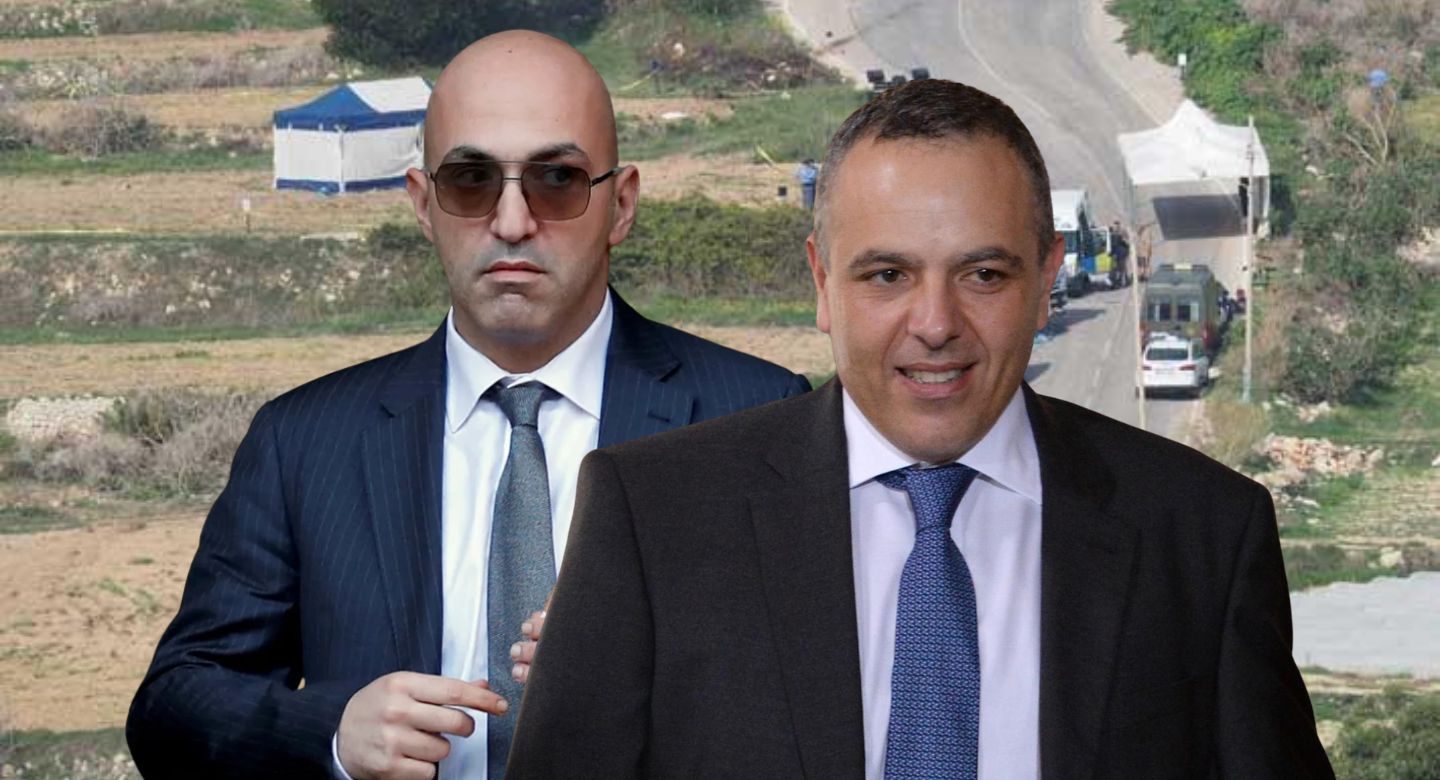
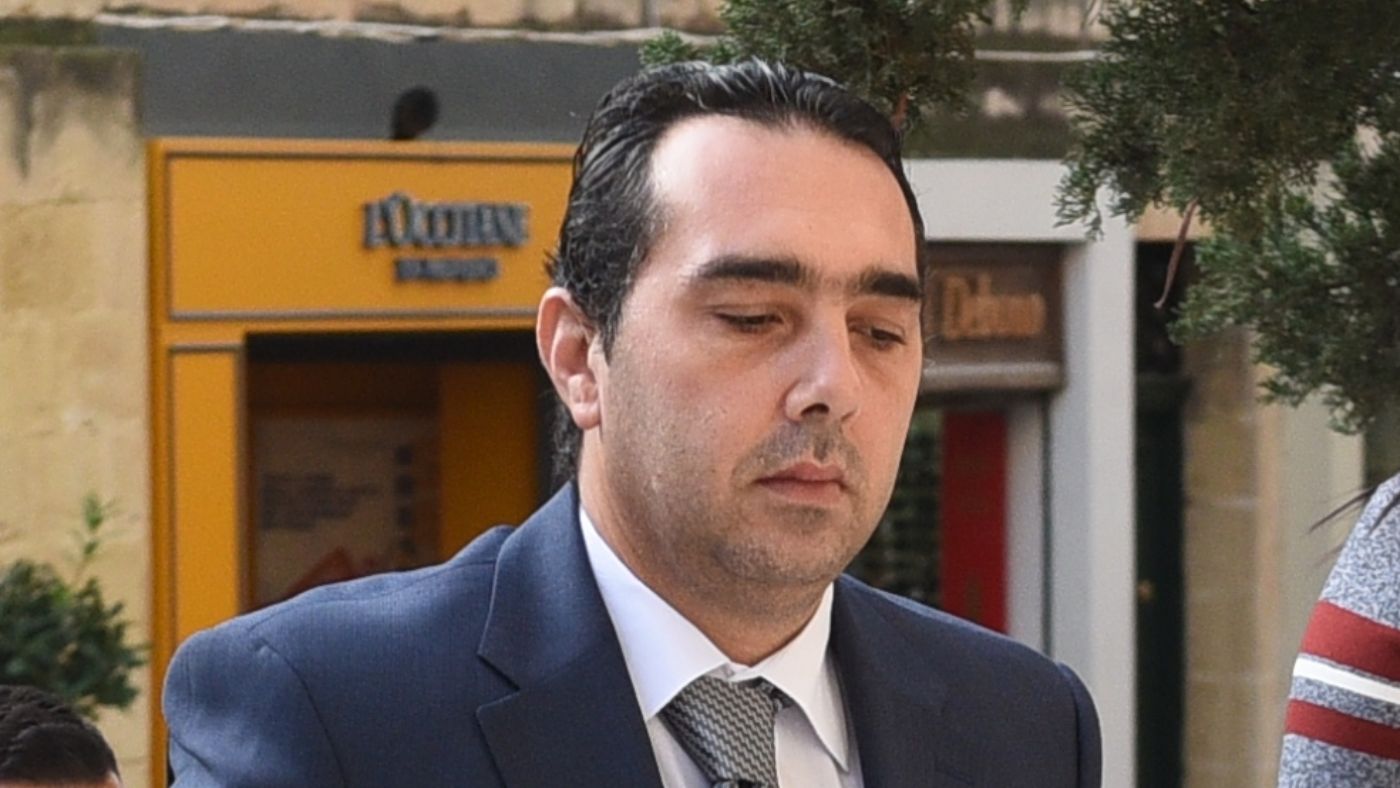
Yorgen Fenech pleaded not guilty on Wednesday as his trial by jury over the assassination of Daphne Caruana Galizia opened before Madam Justice Edwina Grima.
Fenech is charged with complicity in the wilful homicide of Caruana Galizia and with criminal association for the purpose of committing a crime. The bill of indictment alleges that the journalist was killed in Bidnija on 16 October 2017 when a bomb placed under the driver’s seat of her Peugeot 108 was detonated remotely.
The accused denies the charges. The hitmen and the bomb suppliers – Vince Muscat, brothers Alfred and George Degiorgio, and brothers Robert and Adrian Agius, alongside associate Jamie Vella – are all serving prison sentences for their involvement in the murder.
Nine jurors and six reserve jurors walked into Hall 22 at around 4.49pm, after which the bill of indictment was read out in court. Fenech entered his not guilty plea once formally asked to respond to the charges.
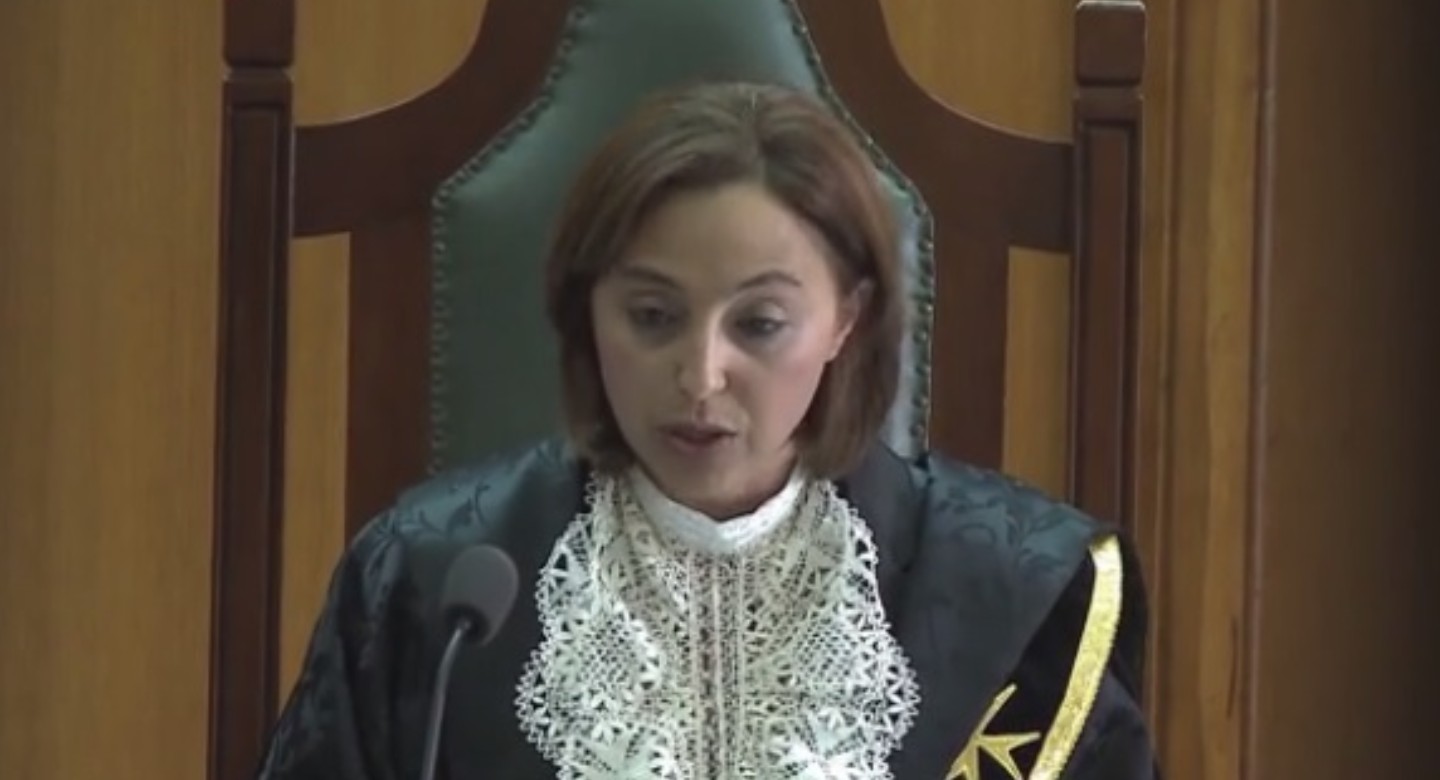
Before the jury entered the courtroom, Madam Justice Grima addressed preliminary issues relating to the management of the trial and reporting restrictions. She noted that, unless there was a valid reason, the court could not impose restrictions on the publication of material unless this was necessary.
The judge said she would intervene when required, including by asking the press to hold back from reporting specific evidence until a point was clarified by a witness. She also asked the prosecution to be prepared with its list of witnesses and with the organisation of how the evidence will be presented.
In her opening address to the jury, Madam Justice Grima described jury service as an important civic duty, comparing it to citizens’ participation in general elections and referenda. She told jurors they would be “judges of the facts”, while she would decide matters of law and legal rights.
The judge stressed that the jury’s verdict must be based only on evidence presented inside the courtroom. That evidence may include witnesses, experts and documents, but jurors were warned not to rely on opinions, feelings or anything they had read or heard outside the trial.
Given the extensive public coverage of the case, Madam Justice Grima told jurors they must set aside any views they may have formed before the trial. She warned them that prejudice was the enemy of judgement and that external influences on their impression of the case had no value in the proceedings before them.
The judge also explained that, if legal issues or questions on alleged rights breaches arise during the trial, jurors may be asked to leave the courtroom temporarily while those matters are dealt with.
Jurors were told they must maintain strict confidentiality and may only discuss the case between themselves when directed to deliberate. They may ask questions during testimony, but only through the court and only if the judge rules the questions admissible.
The reserve jurors will follow the proceedings throughout the trial so they can step in if required, but they will not participate in deliberations unless they replace one of the main jurors.
The court also explained the practical restrictions jurors will face. They were warned to leave electronic devices at home after Wednesday’s sitting, before being escorted to collect their belongings ahead of an expected eight weeks of seclusion. Their movements and visits will be supervised by court marshals.
Madam Justice Grima also explained the criminal process which led to the trial, from the opening of a magisterial inquiry after the crime, to the gathering and preservation of evidence, the compilation of evidence before a magistrate, and the eventual filing of the bill of indictment by the Attorney General.
She reminded jurors that Fenech is presumed innocent, has a right to remain silent, and that any doubt must be resolved in favour of the accused.
The prosecution is expected to begin outlining its case on Thursday, after which witnesses will start giving evidence. The defence will later present its own case and evidence, while Fenech will be asked whether he intends to testify.
‘I’m glad it finally started’
We also caught up with Pavol Szalai from Reporters Without Borders (RSF), who’s been closely following developments in Malta since 2020 as part of the organisation’s mission to protect press freedom across the globe.
We discussed the deteriorating press freedom situation in Malta, the government’s lack of political will to implement recommendations from Daphne Caruana Galizia’s public inquiry and other crucial legislative reforms, and his first impressions of day one of the trial.
Sign up to our newsletter Stay in the know
"*" indicates required fields

Verdict: 8-1 – Yorgen Fenech not guilty


‘May God help you in your decision’: Fenech jury begins deliberations
Judge expected to wrap up trial tomorrow

Judge: Theuma’s pardon does not make his testimony automatically true
Tags
#Attorney General
#Daphne Caruana Galizia
#Edwina Grima
#Reporters Without Borders
#RSF
#trial
#Valletta
#Yorgen Fenech
Other News
Verdict: 8-1 – Yorgen Fenech not guilty
‘May God help you in your decision’: Fenech jury begins deliberations
Judge expected to wrap up trial tomorrow
Judge: Theuma’s pardon does not make his testimony automatically true

Where are the messages between Keith Schembri and Keith Arnaud? – defence asks
Theuma promised pardon before Fenech’s arrest, defence tells jury

Prosecution tells Fenech jury it wants ‘the whole truth’ uncovered

‘Keith Schembri effectively gave himself a pardon’, Fenech defence claims
Fenech defence: Evidence pointing to Keith Schembri was deliberately blocked by police
Fenech defence alleges ‘cover-up and frame-up’ as testimony ends

‘If I could turn back time’: Fenech challenged over failure to report murder plot