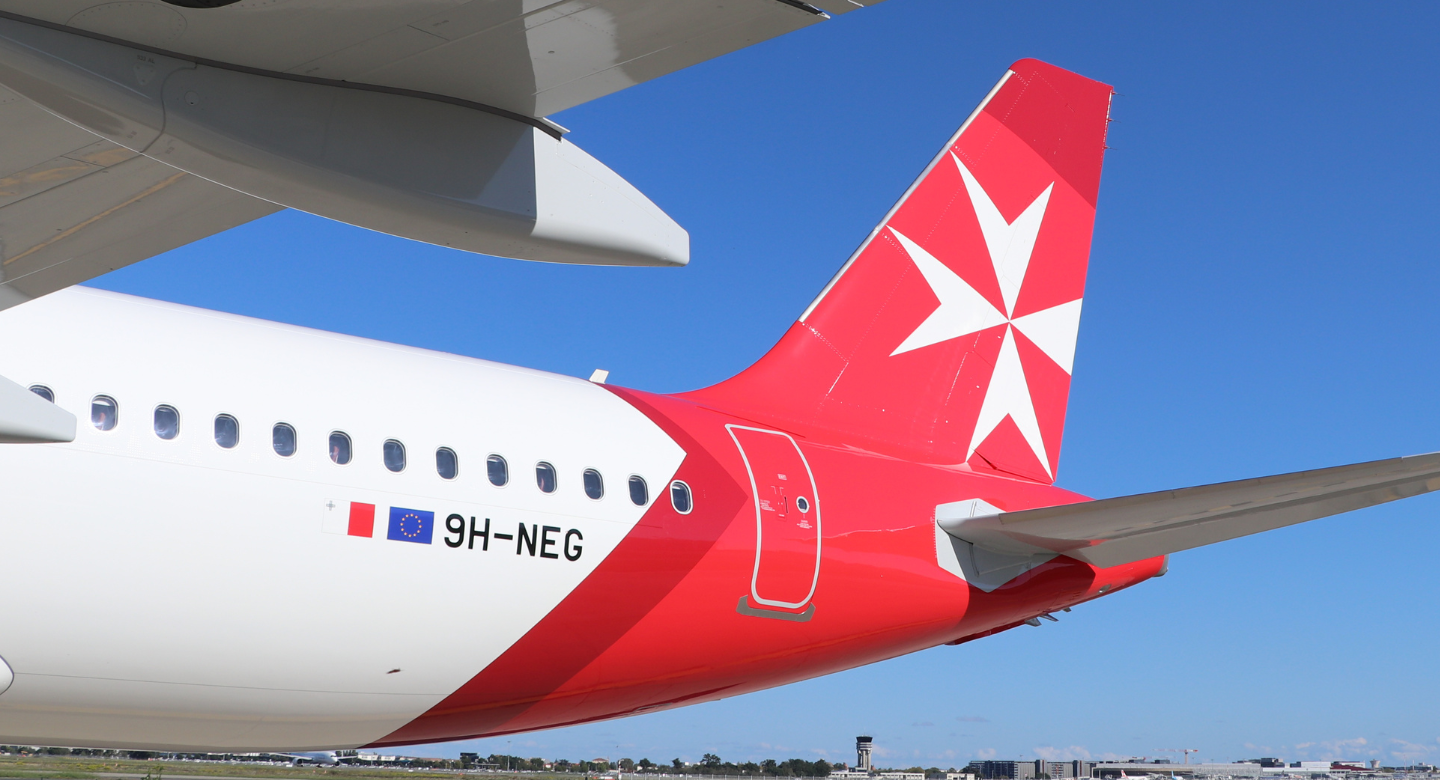

Malta’s national airline, KM Malta Airlines, has yet to publish its first audited financial statements despite having already been granted extra time by the government to do so – the company has already cost taxpayers more than €400 million.
The airline, which replaced Air Malta in March 2024 following a government-backed restructuring approved by the European Commission, was given an extension by the Malta Tax and Customs Administration after missing its original filing deadline.
At the time, Finance Minister Clyde Caruana told Parliament that the extension was necessary because the company had been incorporated in November 2023 and needed additional time to prepare a more comprehensive set of financial statements covering a period longer than 12 months.
The extension allowed KM Malta Airlines to file its accounts during the first quarter of 2026.
Yet, The Shift is informed that the accounts remain unpublished months after that deadline expired.
Sources familiar with the airline’s financial performance said KM Malta Airlines registered losses amounting to several million euro during its first year of operations. The figures have not yet been made public, and taxpayers have not been provided with any official information on the airline’s financial performance since it commenced operations.
The continued delay means there is still no public indication of whether the airline is performing in line with the business plan approved by the European Commission when Malta negotiated Air Malta’s forced closure and the launch of a replacement carrier.
That business plan has never been made public.
Government officials, including Finance Minister Clyde Caruana, have repeatedly insisted that KM Malta Airlines is operating more efficiently than its predecessor and have highlighted the airline’s leaner structure, reduced workforce and smaller route network, but no audited financial results have been released to support those claims.
The lack of accountability is particularly significant given the scale of public funds committed to the exercise.
The closure of Air Malta and the creation of KM Malta Airlines are estimated to have cost taxpayers in excess of €400 million through a combination of restructuring costs, compensation schemes, liabilities, capital injections and other measures linked to the transition.
Additional costs have continued to emerge since Air Malta ceased operations.
Taxpayers were required to fund compensation payments to thousands of former Flypass loyalty scheme members after the European Commission refused to allow benefits accumulated under the Air Malta programme to be transferred to the new airline.
The government has also continued to shoulder costs associated with Air Malta’s winding-down process while refusing to provide a comprehensive breakdown of the total bill incurred by taxpayers.
Questions have also been raised about other forms of state support linked to the airline.
Earlier this year, The Shift revealed that the Office of the Prime Minister had issued a €6.4 million direct order to Centrecom Ltd, a company partly owned by KM Malta Airlines. Sources indicated that the timing of the contract coincided with efforts to offset losses expected to appear in the airline’s first financial statements.
Meanwhile, Executive Chair David Curmi has remained at the helm of the new airline, having previously overseen Air Malta during its final years. Curmi is understood to have retained a remuneration package of approximately €21,500 a month, or around €260,000 annually.
Questions were sent to Curmi and the finance minister received no response.
Sign up to our newsletter Stay in the know
"*" indicates required fields

Delta seeks financial assistance to keep Malta flights in 2027


Major food distributor in multimillion-euro talks over Convenience Shop stake

Portelli clan rupture deepens

MMH repays €15 million bond in full amid investor rescue deal
Tags
#accounts
#Air Malta
#Centrecom
#Clyde Caruana
#david curmi
#European Commission
#Flypass
#KM Malta Airlines
Other News
Delta seeks financial assistance to keep Malta flights in 2027
Major food distributor in multimillion-euro talks over Convenience Shop stake
Portelli clan rupture deepens
MMH repays €15 million bond in full amid investor rescue deal
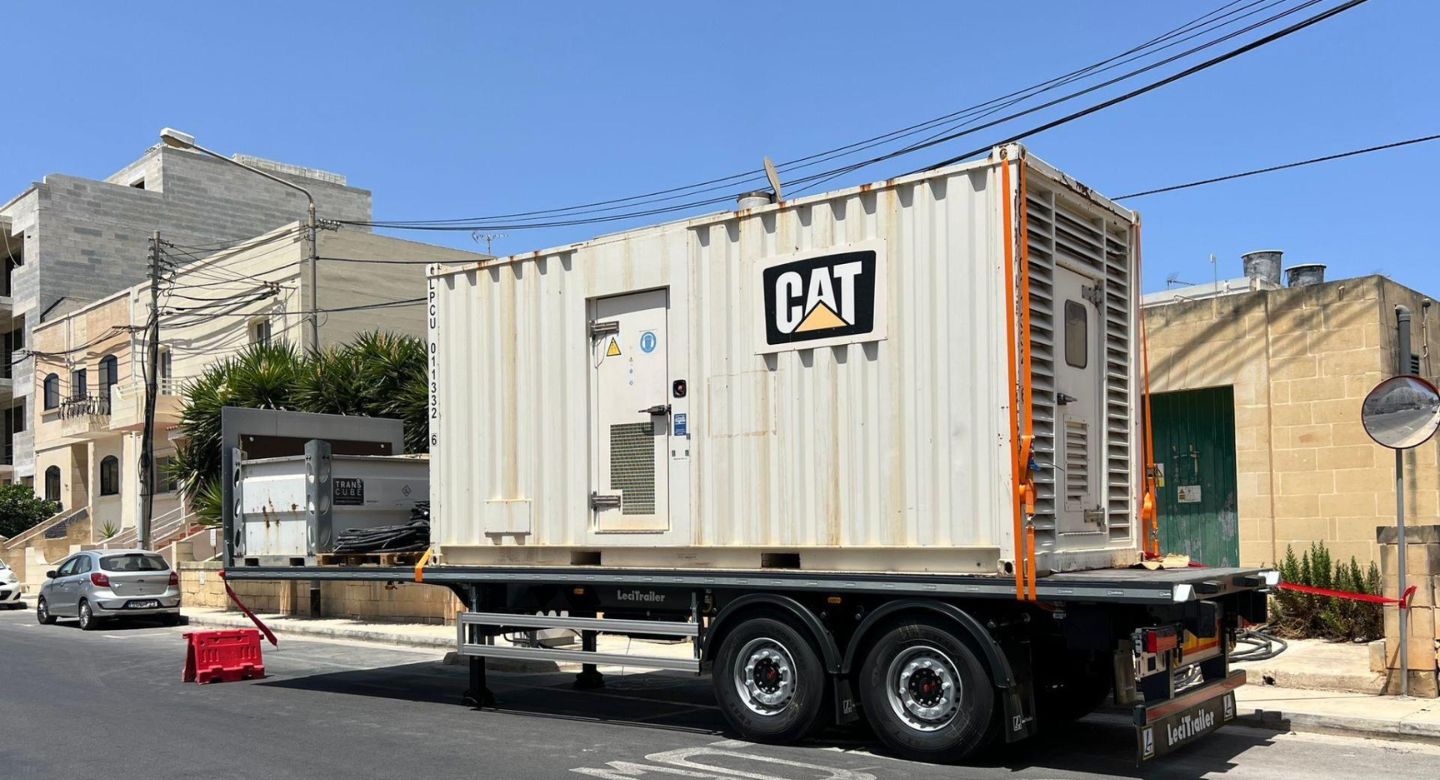
Energy crisis generator costs under NAO scrutiny

€61 an hour ‘thank you’ consultancy for Zammit Lewis

Public paid €6,000 for Kurt Farrugia interview and publicity

Heritage Malta directors’ remuneration more than doubles to €103,000 as deficit hits €4.2m

Malta’s tourism intensity outstrips Amsterdam and Barcelona

Carlo Stivala in bigger trouble as all Centric Hotel might be illegal

Joseph Muscat losing his cool as corruption proceedings against him continue
You forgot to mention the generous cash injection with the invoicing of election week tickets! Talking about cooking the books…
Jaqaw ergajna koppi?
Air Malta was solidly profitable for nearly 30 years, from the 1970s through the early 2000s. The collapse only really began after 2004.
I am highlighting this to show that Air Malta made a decent return at the early stages of it life. In all probability something/s beyond its control lead to continual losses until it was closed down. The most glaring of these circumstances were political interference since 2013, where Labour Party supporters with scant knowledge were given management jobs and Ministers giving their supporters jobs, which were not needed .
My point is that whatever has been tried has failed and losses continue. This points determinately for the question to be asked. Why was KM ever ‘invented’ and why does the Govt persist in backing a huge loss making operation when the cards show that nothing has succeeded and will never succeed.
There is only one solution to this financial bloodletting, swallow the illusionary pride of a National Airline and close KM down, today before tomorrow!