

Malta welcomed a record 1.2 million tourists during the first four months of 2026, yet new figures show that each visitor spent less than they did a year earlier, raising fresh questions about whether the country’s tourism strategy is delivering the results it promised.
According to the latest data from the National Statistics Office, tourist arrivals between January and April reached 1,215,966 – a 16% increase over the same period in 2025.
Yet expenditure per capita fell from €770.30 to €756.39.
While total tourism expenditure increased to €919.7 million, the rise was driven almost entirely by higher visitor numbers rather than by increased spending per tourist.
The figures have reignited concerns within the industry that Malta’s tourism model remains heavily dependent on attracting ever-larger visitor volumes while failing to increase the value generated per tourist.
These concerns were recently highlighted by Malta Chamber Vice President Silvan Mifsud, who analysed the tourism data in real terms by adjusting spending for inflation.
Writing in The Malta Business Weekly, Mifsud found that average real spending per tourist during the first four months of 2026 fell to €616.89, down from €642.99 during the same period last year and below the €662.51 recorded in 2019.
“This means we are overall moving in the wrong direction,” Mifsud said.
While tourist arrivals during the first four months of 2026 increased by 16% compared to last year, real spending per tourist declined by 4%.
The findings stand in stark contrast to the objectives set out in the Malta Chamber’s tourism vision published earlier this year.
The document calls for a decisive shift away from volume-driven tourism and towards attracting higher-value visitors seeking cultural, historical and premium experiences.
Rather than measuring success by arrivals alone, as is usually done by the government and the MTA, the Chamber insisted that Malta should focus on increasing tourism yield, improving visitor experiences, and reducing the pressure that rapid growth places on infrastructure and residents.
The latest NSO figures indicate that Malta continues to move in the opposite direction.
More tourists are arriving, but they are spending less.
The result is a tourism model that increasingly relies on the continuous expansion of visitor numbers to sustain growth.
The issue extends beyond tourism.
Last week, the Malta Fiscal Advisory Council warned that Malta’s broader economic model is becoming increasingly unsustainable. The council pointed to growth driven by population expansion, imported labour, and quantity-based economic activity rather than productivity improvements and value creation.
Although the council’s assessment focused on the wider economy, industry insiders told The Shift that the tourism sector reflects many of the same structural weaknesses.
“The tourism figures are symptomatic of a wider problem,” they said. “Growth is increasingly being achieved through scale rather than value.”
Government policy has long supported the expansion of tourism through route development agreements and financial incentives to attract airlines, including low-cost carriers, which have helped drive record passenger numbers.
This has resulted in low-cost carrier Ryanair becoming Malta’s most important and best-connected airline, while Air Malta – now KM Airlines – continues to shrink.
While these measures have successfully boosted arrivals, they have also entrenched a low-yield tourism model that prioritises visitor numbers over spending quality.
At the same time, accommodation capacity continues to expand without any long-term plan in place.
A review of Planning Authority data previously reported by The Shift found almost 100 hotel applications in the development pipeline, despite repeated warnings from industry stakeholders, including the Malta Hotels and Restaurants Association, about oversupply, infrastructure strain and declining returns.
The latest figures show that Malta is drifting further away from the objectives recently announced by the prime minister in Vision 2050.
Sign up to our newsletter Stay in the know
"*" indicates required fields
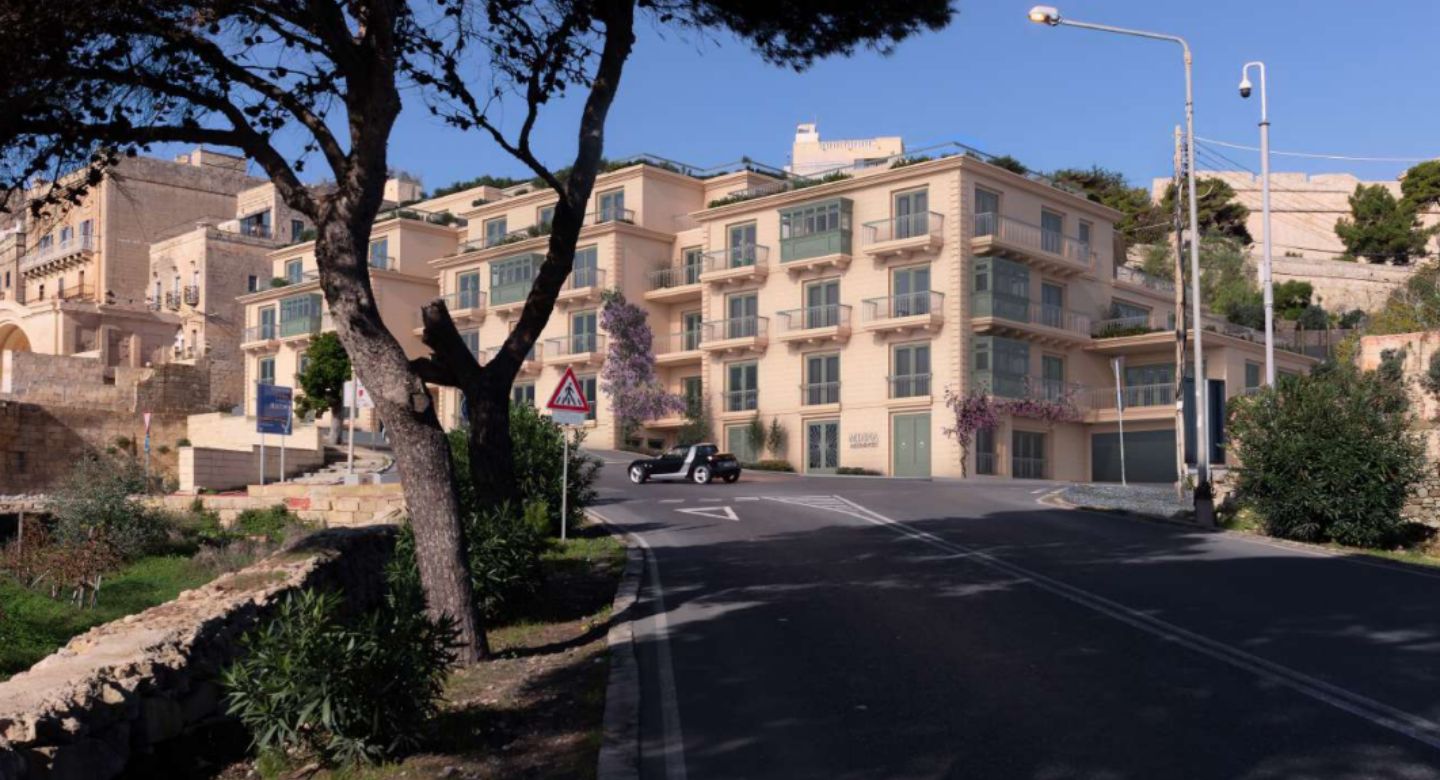
PA postpones Saqqajja flats decision amid ground stability concerns

Convicted PL executive candidate given promotion before election


Galdes points fingers at Owen Bonnici over latest social housing standstill

Clyde Caruana misses deficit target by €312 million
Tags
#Malta Chamber
#MTA
#policy
#silvan mifsud
#spending
#Tourism
#vision
Other News
PA postpones Saqqajja flats decision amid ground stability concerns
Convicted PL executive candidate given promotion before election
Galdes points fingers at Owen Bonnici over latest social housing standstill
Clyde Caruana misses deficit target by €312 million

PBS ‘hides’ Ricky in response to PN court case

Bank accused of misleading prospective bond investors

Hili faces bigger battle over Comino after NGOs win reprieve

New government borrowing could cost taxpayers up to €22.5 million a year in interest

Dizz secures bondholders’ approval nine days before €8 million repayment deadline

PN takes PBS to court over impartiality, citing Ricky Caruana as an example
PA set to approve Saqqajja Hill flats by debt-hit clubbing boss

Ahjar FLOK dak il MONSTRU TA VISION 2050 (LI ISSA QEDIN IZ ZARMAW) il flus intefqu fuq izjed OPERATING THEATRES halli il pazjenti li qed jsofru HAFNA UGIEH jinqdew mhux irudu JISTENNEW 2 snin
The right people, the right investment, the right way with a strategic leeway for adversity and the right plan and managing capacity well. Bickering creates a big fall next autumn.
In 2015, the government spent €16.1 million to subsidize low cost airlines. Imagine what it is spending today.