
The weeks following the general elections ought to be a moment for reflection.
Governments returned to office with a renewed mandate should seek to reassure those who did not vote for them, extend a hand across political divides and demonstrate that electoral victory does not confer moral infallibility.
Instead, Malta is witnessing the opposite.
Since its re-election on Saturday, 30 May, the Labour Party has intensified a familiar and troubling pattern: critics are not merely challenged or rebutted, but systematically ridiculed, dehumanised and portrayed as enemies of the State.
The targets are by now predictable. Journalists, academics, activists, lawyers, civil society organisations and independent media outlets have all found themselves subjected to coordinated campaigns of abuse.
Their arguments are rarely engaged with on merit. Their motives are questioned, their reputations attacked, and their identities reduced to crude political labels.
In a healthy democracy, criticism of government is not an act of disloyalty. It is a civic duty.
Those who hold power should expect scrutiny. Indeed, they should welcome it. Accountability is not an obstacle to governance but an essential safeguard against its excesses.
When citizens, journalists and organisations raise concerns about corruption, transparency or the rule of law, they perform a public service. Yet in Malta, criticism increasingly carries a cost.
Prominent voices who have consistently challenged those in power, among them medical professionals, lawyers, authors, campaigners and investigative journalists, are routinely singled out for humiliation.
Independent newsrooms are dismissed as partisan actors. Civil society groups are caricatured as political proxies. The objective is clear: if criticism cannot be disproved, discredit the critic.
Language matters. Labels matter. Repetition matters.
When public figures and media platforms reduce critics to enemies, traitors or partisan operatives, they do more than score political points. They contribute to an environment in which harassment becomes normalised and intimidation becomes acceptable.
This is not a uniquely Maltese phenomenon. Across democracies experiencing democratic backsliding, the playbook is strikingly similar: undermine independent institutions, delegitimise the press, personalise criticism and mobilise supporters against perceived opponents.
But Malta should know better because it has already lived through the consequences.
The grotesque images shared online about activist Robert Aquilina this week are not isolated incidents. They are part of a continuum that stretches back years, to the hateful depictions of Daphne Caruana Galizia as a witch, a traitor and a public enemy.

Those images were not harmless satire. They were designed to incite contempt, dehumanise their target and legitimise hostility.
The public inquiry into Daphne Caruana Galizia’s assassination reached a devastating conclusion: the State created a culture of impunity that enabled her murder.
It found that the collapse of standards in public life, combined with the failure of institutions to protect journalists and uphold the rule of law, created the conditions that made her assassination possible.
That finding was not solely about one journalist or one horrific crime. It was a warning.
It warned of the dangers that emerge when those in power tolerate, encourage or exploit campaigns of vilification against critics.
It warned that persistent dehumanisation has consequences. And it warned that democratic institutions become fragile when citizens are taught to see accountability as sabotage.
Yet little suggests that those lessons have been learned. And the Labour Party in government has ensured that the recommendations by the three Judges were never implemented.
Even today, some continue to insist that Caruana Galizia “deserved” what happened to her. Such statements are not merely offensive; they represent a rejection of the inquiry’s findings and a refusal to confront the political culture that made tragedy possible.
More worrying still is the evidence that this behaviour was never solely about Caruana Galizia. It is a modus operandi deployed against anyone who dares to ask difficult questions.
That reality also raises uncomfortable questions for the Opposition.
An effective opposition does not distance itself from independent voices that hold the government to account. It does not allow ruling parties to monopolise narratives or isolate critics. It recognises that civil society, investigative journalism and engaged citizens are not substitutes for political opposition but essential partners in democratic oversight.
Malta needs an Opposition willing to oppose, not merely react.
Above all, it needs to remember that individuals exercising their democratic rights should never be left to stand alone. When journalists, activists and ordinary citizens become isolated targets, they become more vulnerable to intimidation and abuse.
The country has already paid the price for indifference. It cannot afford to make the same mistake again.
Sign up to our newsletter Stay in the know
"*" indicates required fields

Caruana again dodges questions over KM Malta’s finances as airline in dire straits


Another chairmanship for the Mizzis as Byron Camilleri appoints Antonio
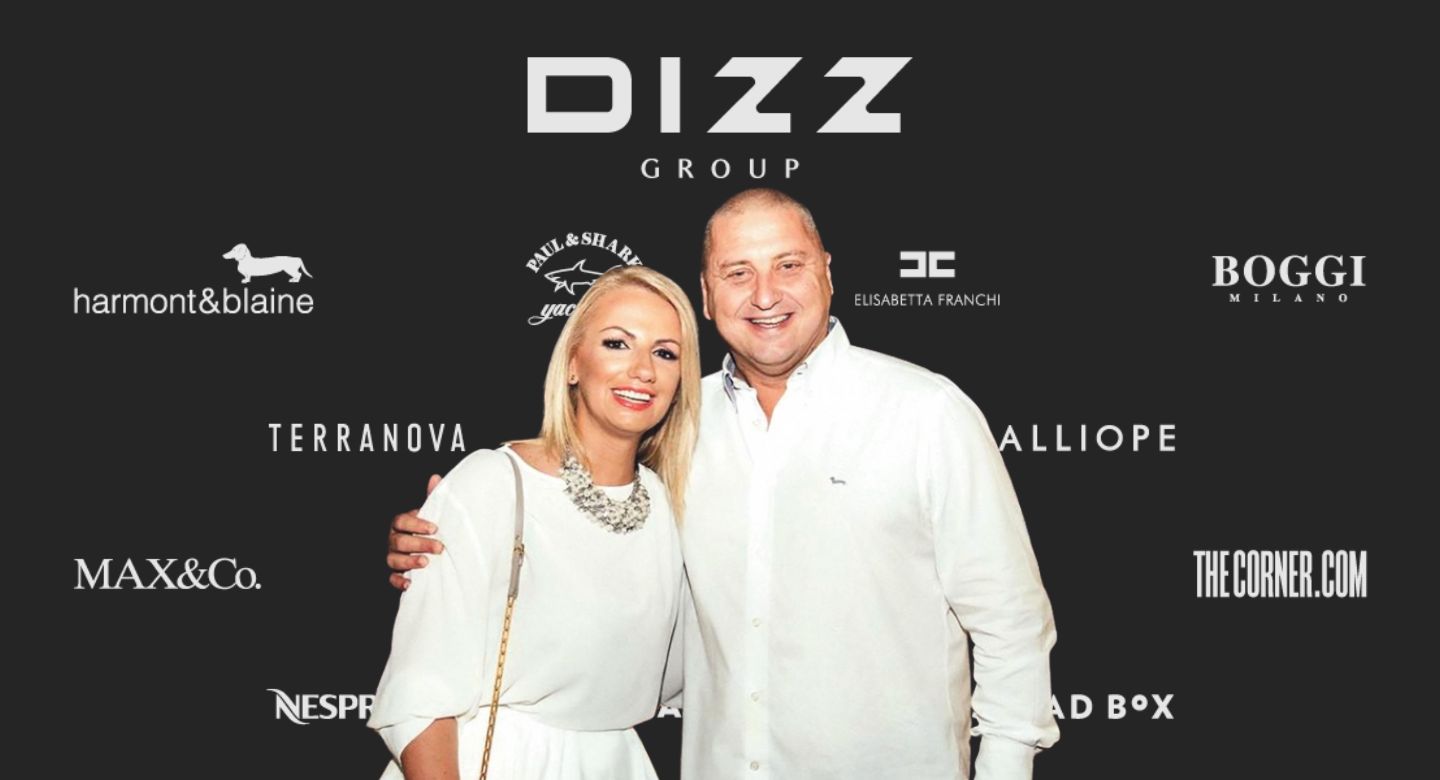
Dizz repays €8 million bond after completing Tigne shopping mall company sale

PN loses more experience as Alex Borg sacks his spokesman
Tags
#attacks
#critics
#Daphne Caruana Galizia
#dehumisation
#Democracy
#dissidents
#elections
#freedom of speech
#Hate Speech
#Labour Party
#Opposition
#press freedom
#propaganda
#Robert aquilina
#spin
#targeting
Other News
Caruana again dodges questions over KM Malta’s finances as airline in dire straits
Another chairmanship for the Mizzis as Byron Camilleri appoints Antonio
Dizz repays €8 million bond after completing Tigne shopping mall company sale
PN loses more experience as Alex Borg sacks his spokesman

Abela gets another drubbing by PL delegates
Galdes ‘parked’ at National Skills Council

Our students can’t read – Labour is delighted


MTA in financial meltdown

International press freedom groups urge Abela to open media bill to scrutiny
Buttigieg stops short of direct action against Carlo Stivala’s new illegal structure
Revealed – Minister awards €53,300 property lease direct order to his own agency chair
NEVER TRUST ROBERT ABELA.
And if Borg & Co think they can remain positive and retain support of 137000 who believed in them in this scenario, they are grossly mistaken.PN MPs are all expected to fight for democracy irrespective if they are labelled negative.
Yes Caroline. Labour’s biggest regret is probably that Malta is not located about 200 miles further south so it could deal with dissidents the way Libya dealt with Al-Sadek Hamed Al-Shuwehdy.
i concur that the party in opposition should not remain silent in criticising the party in power and leave it to the free press and N gO’s.
G Micallef
I have always believed that if the party i had voted for is elected then no one should be more critical of that government than ME. This is the duty of those who voted for the government because they are voted in on the pledges and manifesto they submitted to the public and its that same public which should then hold the government accountable for the pledges they made.