

Energy Minister Miriam Dalli has declined to clarify whether Malta will be paying more for its liquefied natural gas (LNG) supplies under a newly announced agreement with BP, while questions are also being raised about the short duration of the contract.
Earlier this week, Enemalta announced that it had concluded a new LNG supply agreement with BP following a competitive process involving seven international suppliers.
The state energy company, which has not published its accounts since 2022, said the agreement will secure LNG supplies until the end of May 2027 and that pricing will be linked to the Title Transfer Facility (TTF), Europe’s benchmark natural gas index.
However, neither Enemalta nor the Energy Ministry disclosed the expected cost of LNG under the new arrangement or whether the contract will result in higher procurement costs than Malta’s current supply structure.
Sources at Enemalta told The Shift that the absence of any pricing information is raising concerns within the sector, particularly given the long-running controversy surrounding the ElectroGas project and LNG supply arrangements involving SOCAR.

Reports published in recent years, including findings by the National Audit Office, indicated that the pricing formula under the ElectroGas agreement was linked to approximately 14% of the Brent crude oil price.
Industry sources familiar with Enemalta’s fuel procurement operations told The Shift that, despite the lack of transparency surrounding the ElectroGas deal, the contract’s fixed-price structure proved advantageous during the energy crisis that followed Russia’s invasion of Ukraine.
According to these sources, the pricing mechanism insulated Malta from the extreme volatility experienced on European gas markets when spot prices reached record highs, estimating that the arrangement generated savings worth tens of millions of euros when compared with the costs Malta would have incurred had it relied solely on market-priced LNG purchases during that period.
The same sources questioned why no comparative figures have been published for the new BP agreement and whether the new procurement model will deliver similar benefits.
The duration of the contract has also attracted attention.
While government statements have repeatedly referred to long-term energy security and strategic planning, the BP agreement runs only until the end of May next year.
In its announcement, Enemalta acknowledged that it is already working on arrangements to secure LNG supplies beyond the expiry of the BP contract.
That admission has prompted questions within the energy sector as to whether the agreement represents a long-term procurement strategy or an interim arrangement pending further decisions on Malta’s future energy supply framework.
Industry experts who spoke to The Shift noted that long-term LNG supply agreements are typically concluded over several years, particularly when governments seek price stability and security of supply.
The relatively short duration of the BP contract has raised questions about what arrangements are being considered beyond May 2027 and whether further changes to Malta’s LNG procurement model are already being planned.
The Shift asked the Energy Ministry whether the BP agreement will result in higher LNG procurement costs than the current ElectroGas-linked arrangements and why the contract was limited to less than one year. No reply had been received.
In a statement, the Opposition PN called for full transperancy on the deal and for Miriam Dalli to come clean on how much the public is expected to pay for the delayed contract.
Sign up to our newsletter Stay in the know
"*" indicates required fields
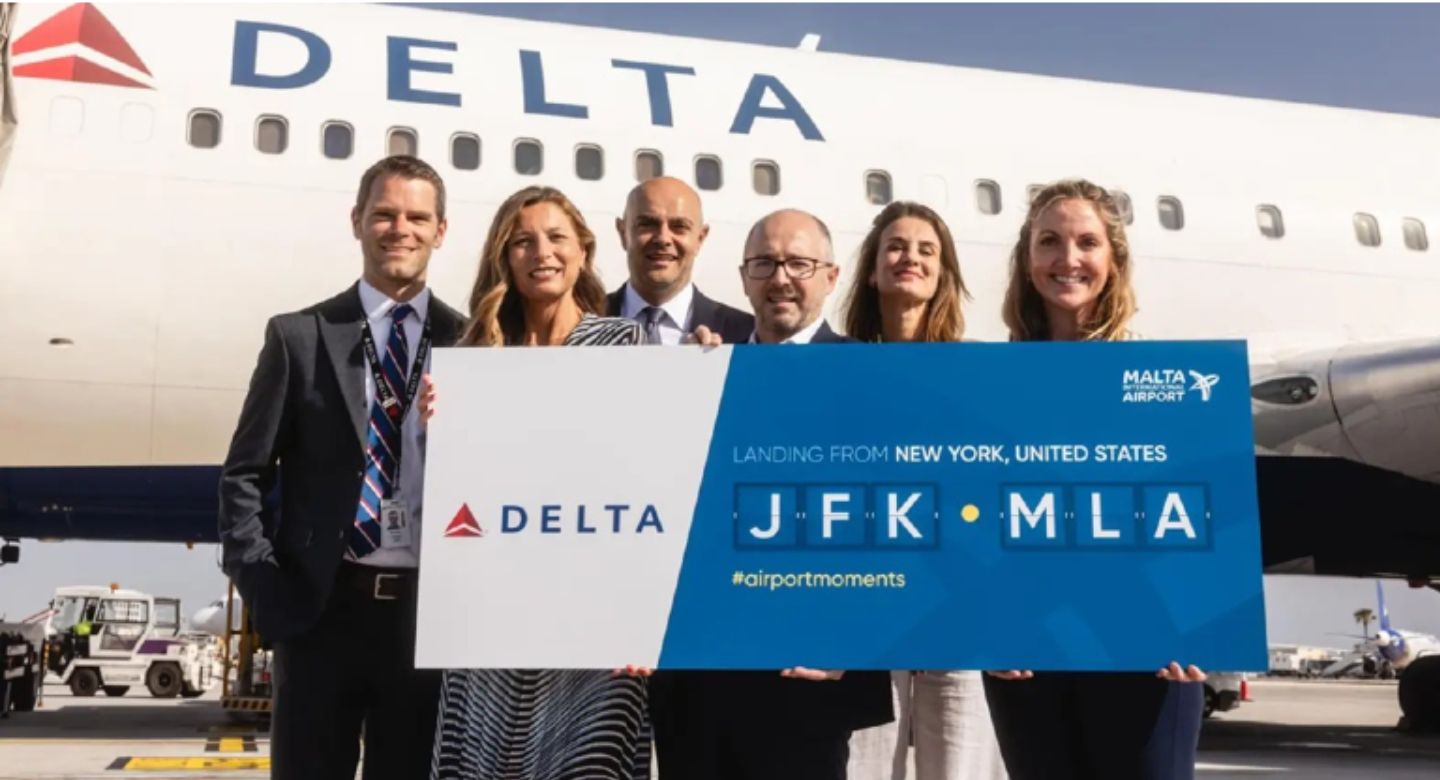
Delta seeks financial assistance to keep Malta flights in 2027

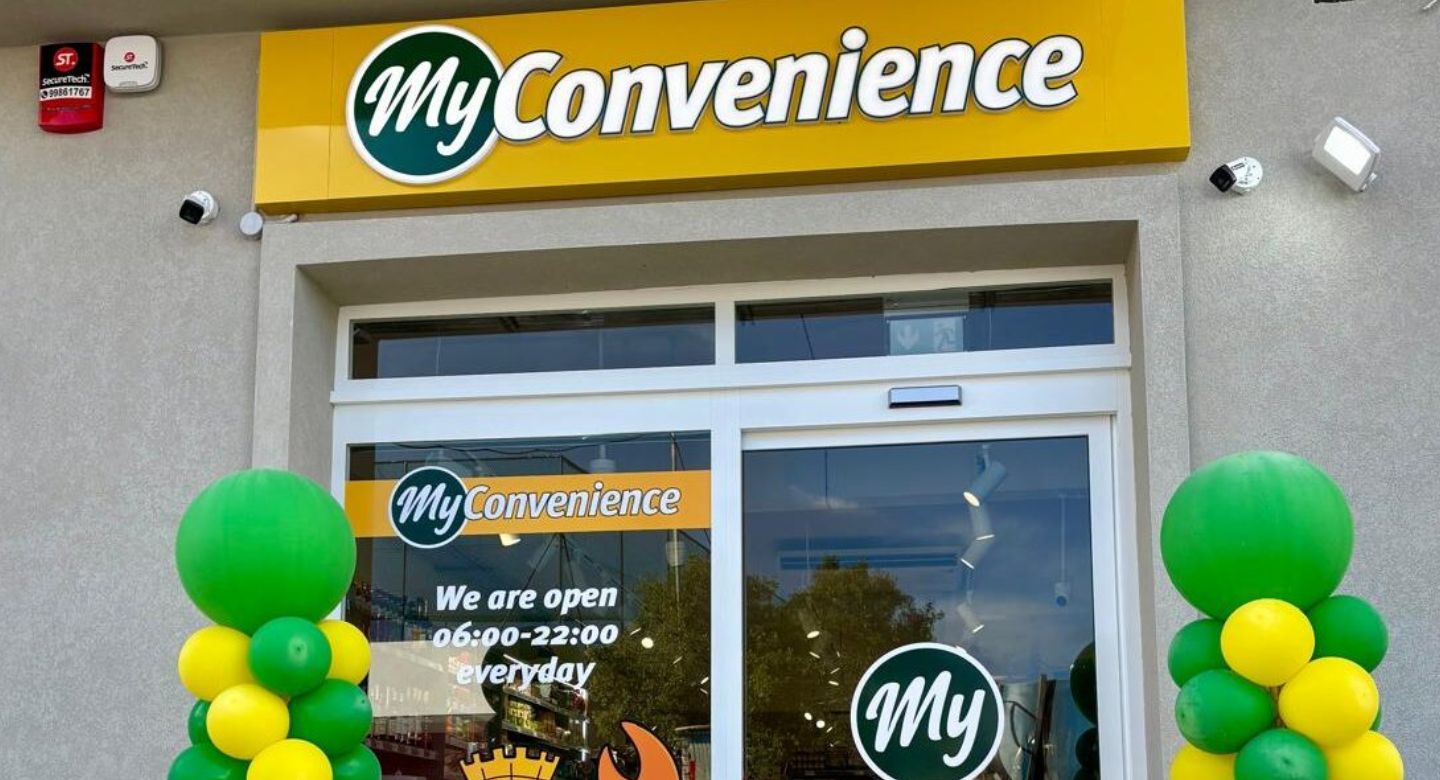
Major food distributor in multimillion-euro talks over Convenience Shop stake
Portelli clan rupture deepens

MMH repays €15 million bond in full amid investor rescue deal
Tags
#electricity
#Electrogas
#Enemalta
#lng
#power stations
#spot
Other News
Delta seeks financial assistance to keep Malta flights in 2027
Major food distributor in multimillion-euro talks over Convenience Shop stake
Portelli clan rupture deepens
MMH repays €15 million bond in full amid investor rescue deal
Energy crisis generator costs under NAO scrutiny

€61 an hour ‘thank you’ consultancy for Zammit Lewis
Public paid €6,000 for Kurt Farrugia interview and publicity

Heritage Malta directors’ remuneration more than doubles to €103,000 as deficit hits €4.2m

Malta’s tourism intensity outstrips Amsterdam and Barcelona

Carlo Stivala in bigger trouble as all Centric Hotel might be illegal

Joseph Muscat losing his cool as corruption proceedings against him continue
Ma nafx x’mhemmx car! Jekk bhalissa l-LNG qieghed bi prezz ghola mis-snin ta’ qabel minhabba l-kunflitt fl-Iran, tahseb li jghamle sens li tidhol f’kuntratt fit-tul illum? Mhux ovvja li le.
Hekk malli jintlahaq ftehim bejn l-Amerikanai u Iran, u Hormuz jinfetah, il-fuel ser jkompli jerga jorhos inkluz l-LNG.
Kuntratt fit-tul taghmlu meta l-prezzijiet ikunu irhas u tinsiex li f’kuntratt fit-tul, il-pajjiz jispicca jhallas aktar milli kieku jixtri mis-suq bi prezz orhos, IZDA b’dik in-naqra prezz ghola, l-pajjiz ikun hedged u jkollu security of supply ahjar.