

Thirteen years after the so-called oil procurement scandal dominated Malta’s political discourse, the acquittal of the five Farrugia brothers is more than the conclusion of a long criminal case. It is a reminder of how allegations can transform a country’s politics long before they are tested in a court of law.
The Criminal Court has now ruled that there was no evidence to sustain the charges against the five brothers. Earlier proceedings had already resulted in acquittals for public officials whom businessman George Farrugia had implicated after receiving a presidential pardon.
In the end, one of the most politically explosive scandals in recent Maltese history has failed to produce the corruption convictions that many people assumed were inevitable.
That outcome deserves reflection, not only from prosecutors and politicians, but also from the media organisations that amplified the allegations.
The story was released by MaltaToday. And the Labour media rode on it – as they do when they want a scandal to be reported by the so-called independent media, when they actually fed it, and drove it.
Equally worthy of scrutiny is the evolution of the relationship between MaltaToday’s owner, Saviour Balzan, and the Labour administration since 2013.
Evidence from Freedom of Information requests has shown that Balzan’s editorial stance became noticeably more accommodating towards the government once Labour assumed office – and he has been paid handsomely for it through a multitude of contracts with ministers.
Balzan was earning money from these contracts while presenting public interviews with ministers and government agencies that had him on their payroll.
When MaltaToday first published its revelations in January 2013, the timing could scarcely have been more politically significant. Malta was only weeks away from general elections.
The allegations immediately became a central theme of the Labour Party’s campaign against the Nationalist administration, reinforcing its narrative that corruption had become institutionalised under its predecessors. The issue dominated headlines and public discussion throughout the campaign.
Oil procurement allegations landed with maximum political force. They appeared to reinforce Labour’s central campaign message that corruption had become embedded within the structures of the State.
The allegations dominated headlines, television debates and political meetings during the final weeks before polling day. For many voters, they became symbolic of everything that Labour argued had gone wrong under the outgoing administration.
The allegations helped shape one of the most consequential elections in Malta’s modern history. Labour won a landslide victory in March 2013, ending nearly a quarter-century of Nationalist government and beginning an administration that would itself later become engulfed in far more serious corruption scandals, including those exposed through the Panama Papers, the Electrogas affair, the Vitals hospitals concession and the events that culminated in the assassination of Daphne Caruana Galizia.
Ironically, a government elected on promises of cleaner governance would later preside over controversies that attracted unprecedented international criticism and led to a public inquiry concluding that the State had created a climate of impunity.
Looking back with the benefit of 13 years of legal proceedings, the contrast between the oil scandal’s political impact and its judicial outcome is striking.
Elections cannot be replayed. Governments that fall due to public perception cannot be reinstated when later evidence proves insufficient.
Once public opinion crystallises around allegations of corruption, the political consequences are often irreversible regardless of what eventually happens in court.
Political campaigns operate over weeks. Court cases often last years. By the time judges assess evidence, elections have long been decided, governments formed, and public reputations permanently altered.
This is why journalists carry such a heavy burden. Their work can influence democratic outcomes before any independent judicial assessment has taken place.
The courts have spoken after 13 years. The political consequences, however, were decided within weeks in 2013. And there were those who pushed this who continue to benefit to this day.
Sign up to our newsletter Stay in the know
"*" indicates required fields

Portelli exits illegal concrete batching plant as Ta’ Dirjanu takes control


Curia deficit deepens to €3.44 million as property spending questions persist


Malta’s new EU judge handpicked without fresh call for applications

Fierce battle over WasteServ’s €125 million workforce contract
Tags
#elections 2013
#Farrugia brothers
#Labour Party
#MaltaToday
#oil scandal
#Saviour Balzan
Other News
Portelli exits illegal concrete batching plant as Ta’ Dirjanu takes control
Curia deficit deepens to €3.44 million as property spending questions persist
Malta’s new EU judge handpicked without fresh call for applications
Fierce battle over WasteServ’s €125 million workforce contract
UPDATED – PL Deputy Leader questioned in EPPO-led probe into EU funds procurement

Police station to poolside guesthouse? FAA objects to Birkirkara plan
Senior TM officer and minister’s canvasser suspended
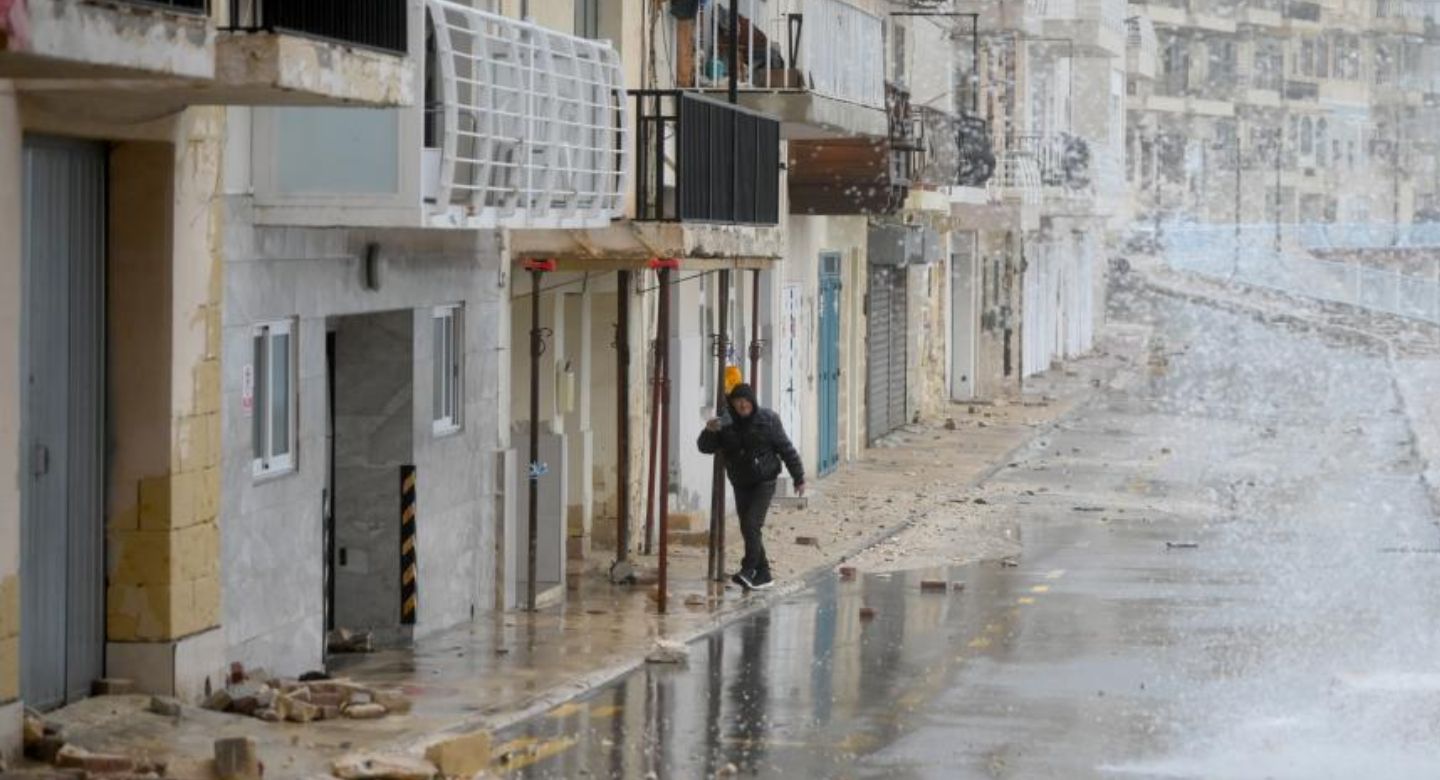
EU allocates Malta €4 million for Storm Harry
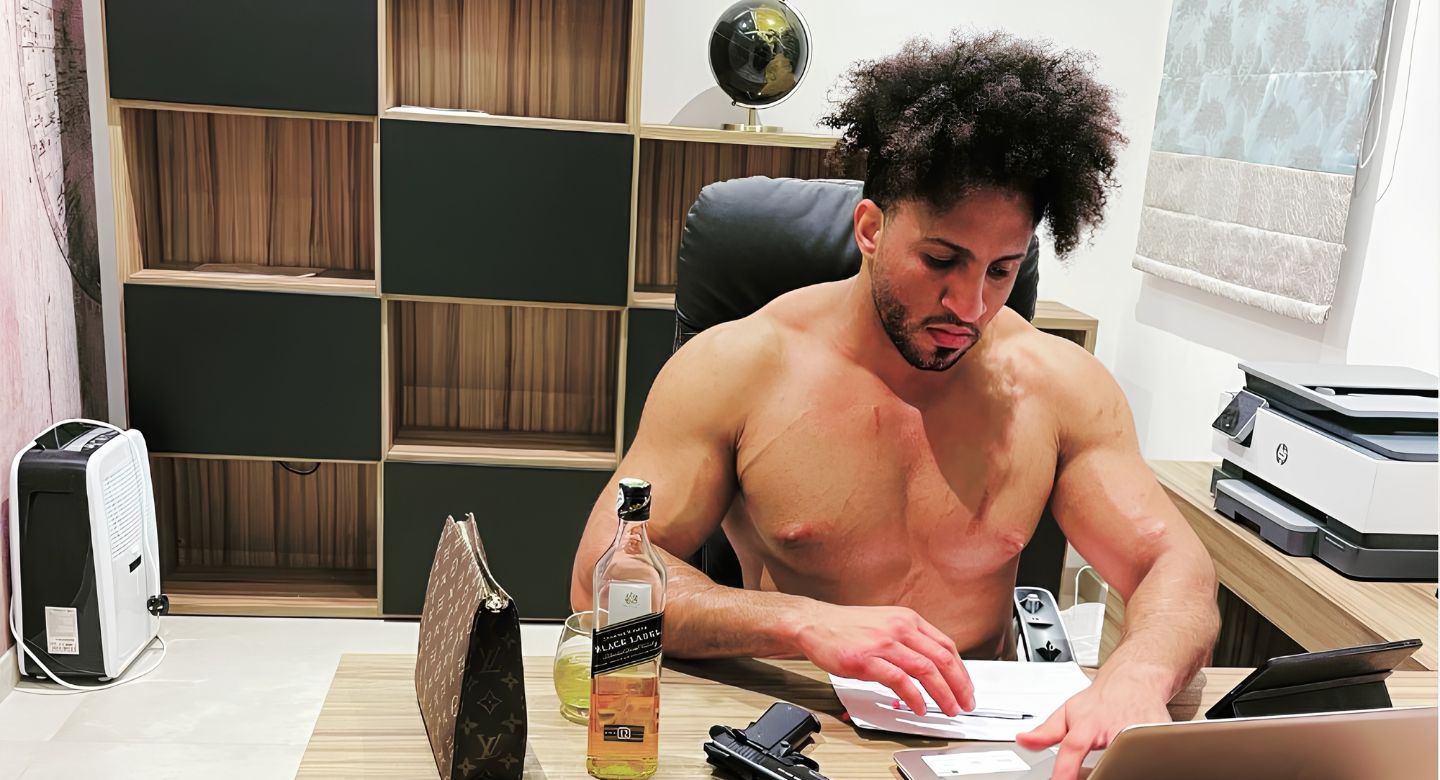
Lilu is no longer ‘king’
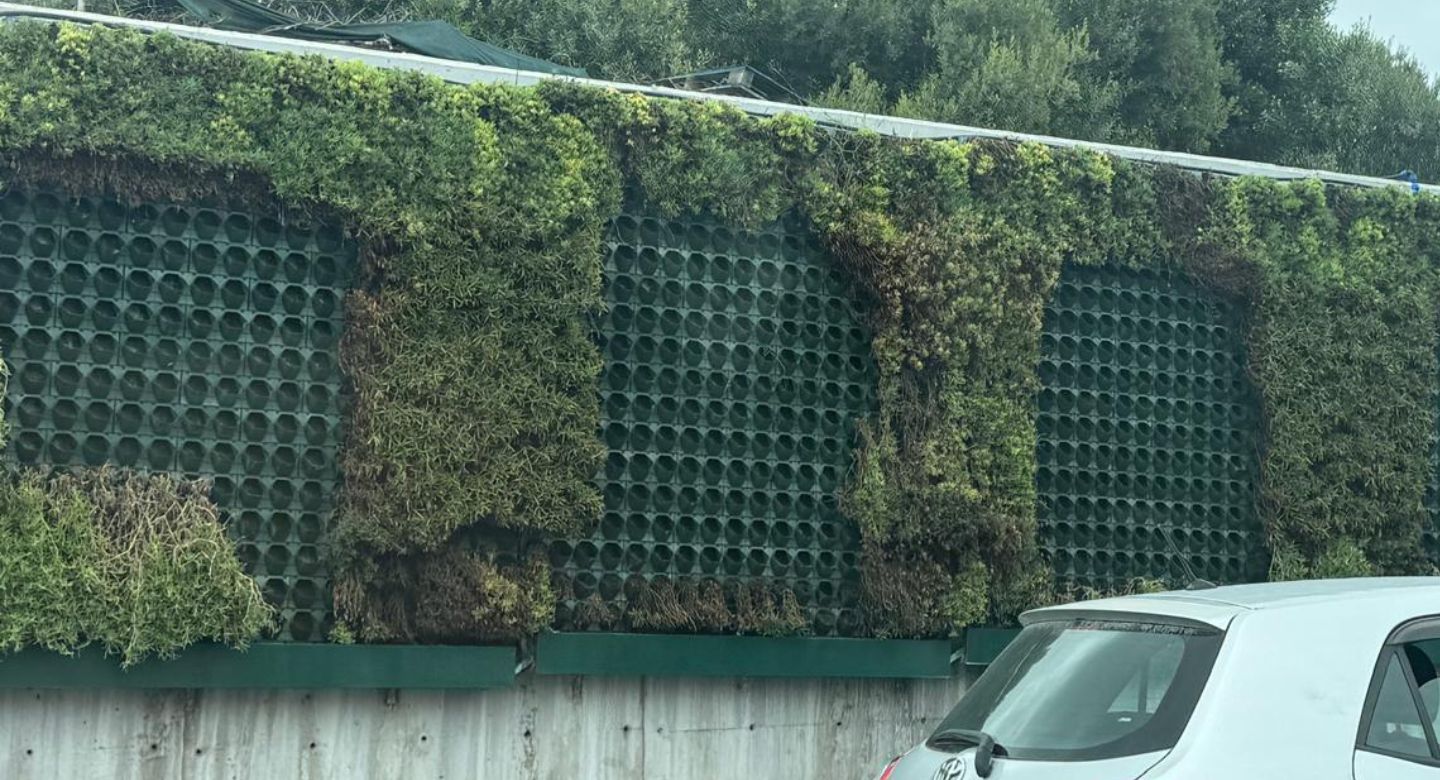
Green wall stripped of dead plants a day after The Shift report

Bonnici gets new €3 million direct order at Ħal Far while drag strip remains incomplete
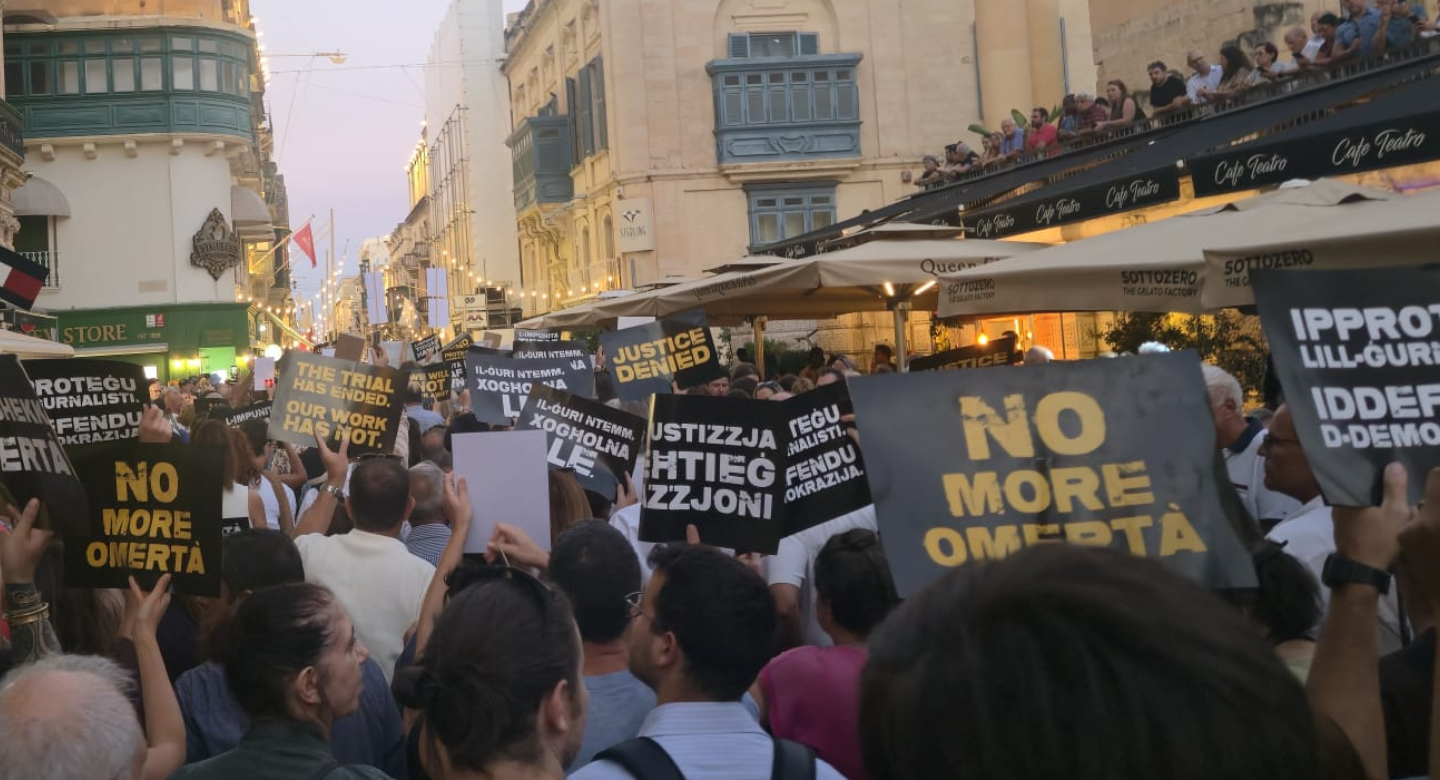
Malta is in a mess. This case cost Us millions from our pockets. No one takes RESPONSIBILITY for this.
Were is Malta today now!!!
The Nationalist Government did not fall because of this scandal. What an incredibly myopic analysis.
People had had enough of the arrogance and rampant nepotism and unfair decisions taken on the daily during the last years of the party’s “reign”. And rightly so, because that is what it was.
That we ended up out of the frying pan into the fire is, of course, another matter. But you could replay the election all you want, and the Nationalist Party would still deservedly lose.
Saqsu lil JOHNNY CASH ghalinqas dak zmien metakien jissponserah.
Halef li min kollox ried jeqred lil PARTIT nazzjonalista