

Malta’s current electoral moment is once again testing the country’s tolerance for blurred boundaries between public authority and partisan advantage.
At the centre of this concern is Tony Sultana, Principal Permanent Secretary and Head of the Public Service within the Office of the Prime Minister. He is also Executive Chairman of the Malta Information Technology Agency (MITA), an institution deeply embedded in the State’s digital and data infrastructure.
And his son, Glen Sultana, is actively promoting political surveys and data analytics aligned with the governing Labour Party in the heat of the electoral campaign.
MITA is not a peripheral entity; it operates at the core of government systems, overseeing the architecture, management, and security of large-scale public data.
Against this backdrop, Glen Sultana’s firm, 110 Analytics, positions itself as a provider of high-level political and strategic insight. The company claims to bring together unnamed professionals “who’ve operated at senior levels across public and private sectors.”
While it is unclear how the group of young people appearing in the company’s marketing could have such experience in senior level positions in the public sector, Tony Sultana, one of the most powerful administrative figures in government, fits the bill.
In a social media post, Glen Sultana referred to his father as “the man that (sic) started it all,” an acknowledgement that, while perhaps personal, underscores the closeness of the relationship.

The overlap between Tony Sultana’s roles and a close relative engaged in political data analytics creates a structural vulnerability. Political campaigns today depend heavily on data interpretation, voter segmentation, and behavioural modelling. These are not abstract capabilities; they are grounded in technical expertise and institutional familiarity.
Is it Tony Sultana or his young, inexperienced son pushing the statistics forward? And does this present an unfair advantage when the Head of the Public Service and controller of the government’s data stands without question in an electoral campaign?
Could informal knowledge of government systems, digital trends, or administrative practices indirectly shape campaign strategy?
Could professional networks overlap in ways that benefit one political actor over others?
Malta’s scale intensifies the problem. In larger jurisdictions, institutional buffers and anonymity can dilute such concerns. In Malta, where professional circles are tight and intersections frequent, the burden on public officials to avoid even perceived conflicts must be higher.
This is the Head of the Public Service. He should not even be occupying the role at MITA, let alone a company involved in polling in his son’s name.
The standard cannot simply be ‘no rules were broken’. It must be ‘no reasonable doubt exists’. It adds to concerns on the abuse and misuse of statistics.
Many advanced democracies recognise that influence does not stop at the office door. Spouses, children, and close associates can all become vectors through which advantage flows.
Malta cannot afford ambiguity in matters of public trust. And, being pounded by surveys week after week, the public should be aware of who is behind them.
Situations like this, left insufficiently addressed, do not merely raise questions about individuals but cast doubt on the fairness of the democratic system itself.
Sign up to our newsletter Stay in the know
"*" indicates required fields

Malta increases its dependency on imported electricity as population surges


Turkish bank fails to lift €25 million security tied to Shoreline’s dispute

Controversial crematorium is in John Dalli’s ‘back garden’ – ERA missing in action


Doctors demand halt to health centre testing before further talks
Tags
#110 Analytics
#data
#Glen Sultana
#polling
#Principal Permanent Secretary Tony Sultana
#surveys
Other News
Malta increases its dependency on imported electricity as population surges
Turkish bank fails to lift €25 million security tied to Shoreline’s dispute
Controversial crematorium is in John Dalli’s ‘back garden’ – ERA missing in action
Doctors demand halt to health centre testing before further talks

Malta last in EU Parliament attendance rankings
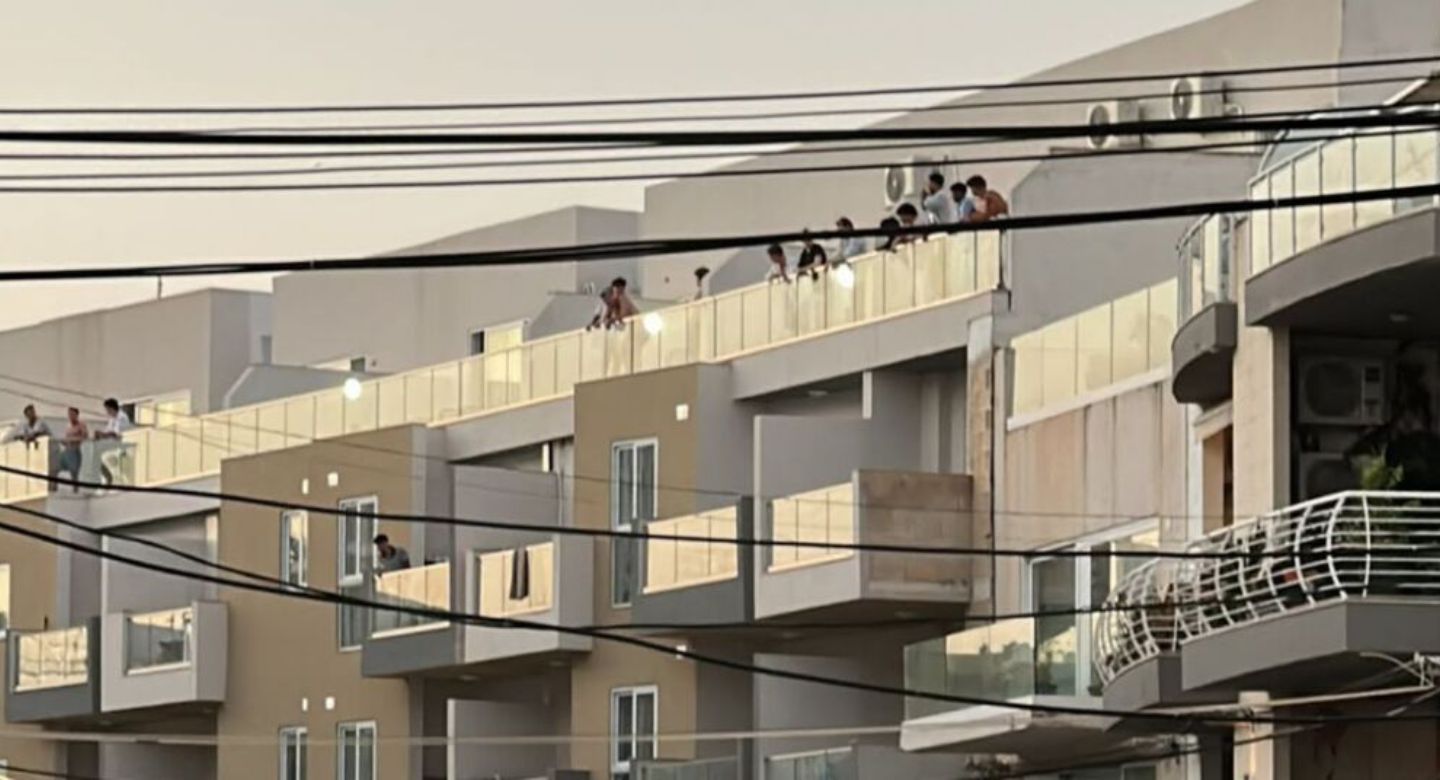
One in four licensed short lets concentrated in St Paul’s Bay and Sliema

Bonnici hails progress at housing project caught in crisis that sank Galdes

Employers slam Clyde Caruana’s cheap talk

PA’s handling of rival crematorium applications raises a stink
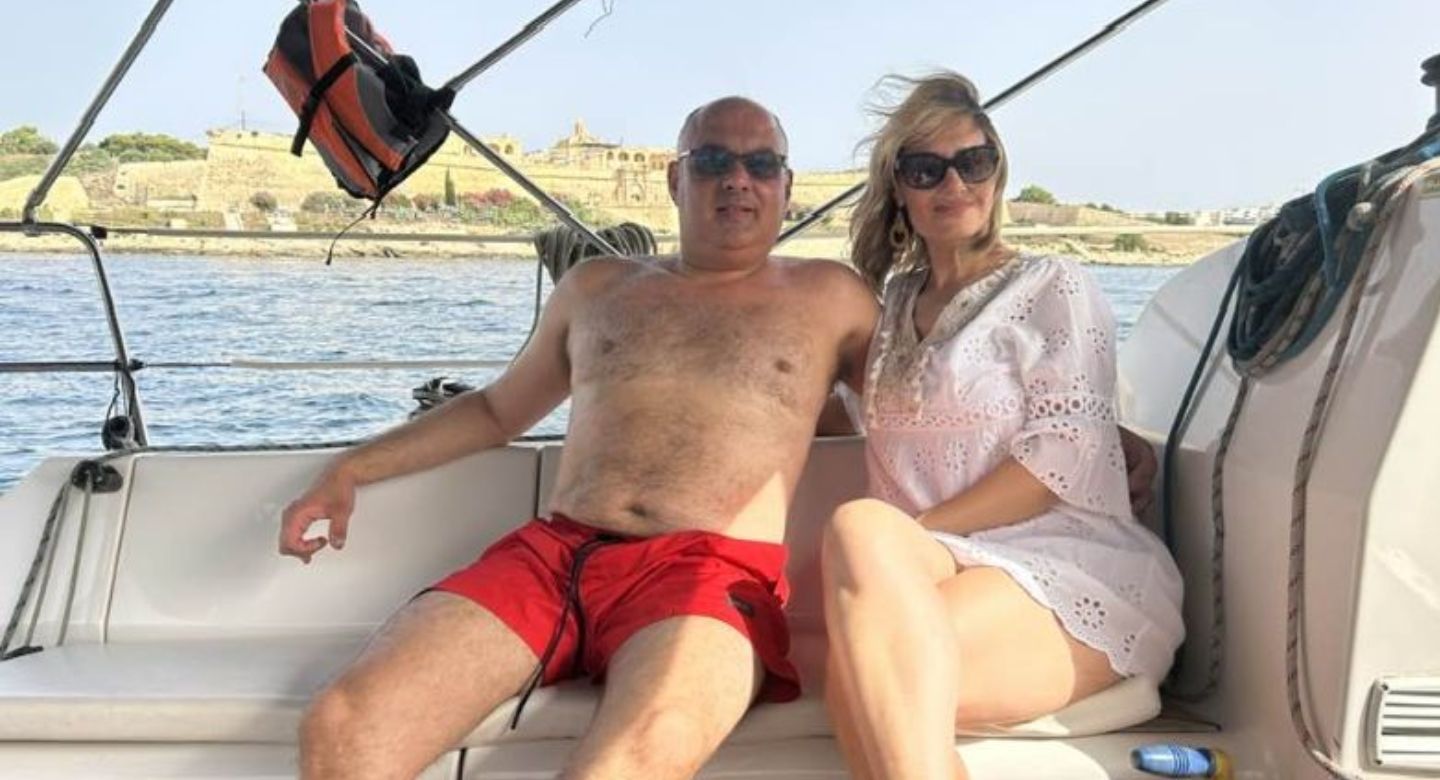
Super CEO’s wife seconded to Mater Dei top job

Caruana again dodges questions over KM Malta’s finances as airline in dire straits

Kollox jinhadem bizzila f dan il pajjiz.jaq u jaq.