
On 1 May, Malta marks one of the most consequential milestones in its modern political history: its accession to the European Union in 2004. More than two decades on, the anniversary is not merely commemorative—it is reflective, political, and forward-looking.
Malta’s EU membership followed years of intense national debate and a defining referendum that reshaped the country’s geopolitical orientation.
The anniversary has therefore become a moment to assess both the tangible gains, such as economic integration, freedom of movement, structural funding, and the more intangible shift in identity, from a small island state on Europe’s periphery to an active participant at its core.
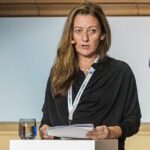
At the centre of this year’s reflections is Roberta Metsola, whose personal and political trajectory mirrors Malta’s European journey.
Having campaigned for EU membership in her youth and later risen to become President of the European Parliament, Metsola embodies the generational arc of Malta within the Union.
In her anniversary message shared across social media, Metsola framed Malta’s accession as part of a broader European story. She described it as a “visionary idea” realised after “years of political debate,” underscoring both the difficulty and historic weight of the decision.
Her tone was not nostalgic but assertive: EU membership, in her framing, is not a closed chapter but an ongoing project requiring renewal and engagement.
Her wider public messaging in recent months reinforces this perspective. Metsola has consistently argued for a European Union that is more responsive and less bureaucratic: “A Europe that makes it easier for us all,” as she put it, linking institutional reform to citizens’ everyday realities such as jobs, housing, and economic opportunity.
This emphasis is echoed in her social posts, where she highlights Europe not just as a political construct but as a network of shared values, solidarity, and opportunity, particularly in the Mediterranean context.
The anniversary commentary emerging from her office also reflects a generational framing: Malta’s EU story is no longer about accession but about stewardship. Metsola has stressed intergenerational responsibility, ensuring that younger Europeans inherit a Union that is competitive, fair, and capable of addressing global challenges.
Critically, this year’s anniversary arrives at a time when the European project itself faces pressure from geopolitical instability to internal political fragmentation.
In that sense, Malta’s accession anniversary serves as both a reminder and a test case. It illustrates how small states can leverage EU membership for influence and stability, while also highlighting the need for continuous adaptation within the Union.
In public discourse across Malta, the tone is similarly dual: pride in what has been achieved, coupled with scrutiny of what remains unresolved. Issues such as economic competitiveness, governance standards, and the social impact of EU-driven growth continue to shape debate.
By anchoring her commentary in both historical reflection and future-oriented reform, she positions Malta’s EU membership not as a settled success, but as an evolving responsibility.
The implication is clear: the significance of 1 May lies not only in what Malta joined in 2004, but in what it continues to help shape today.
Sign up to our newsletter Stay in the know
"*" indicates required fields

Caruana again dodges questions over KM Malta’s finances as airline in dire straits


Another chairmanship for the Mizzis as Byron Camilleri appoints Antonio
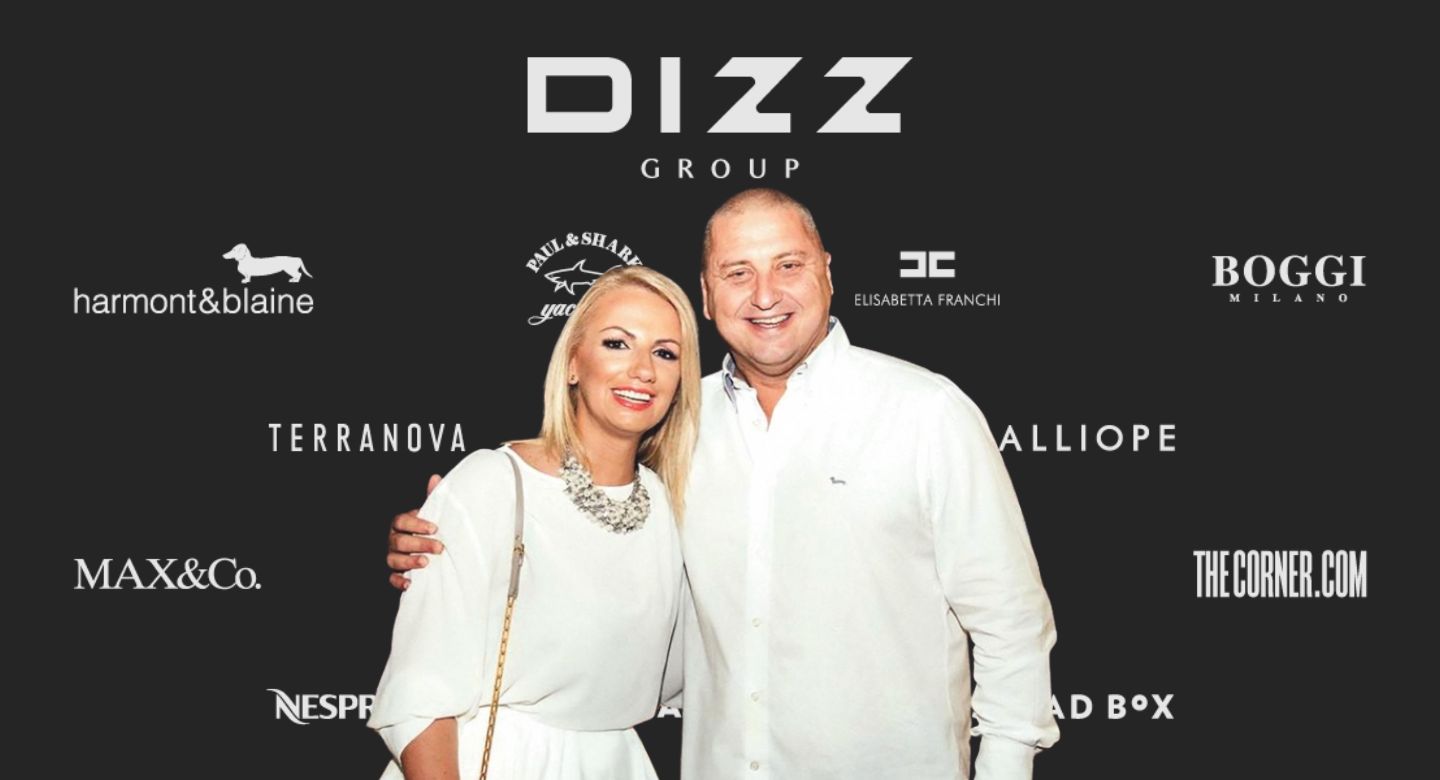
Dizz repays €8 million bond after completing Tigne shopping mall company sale
PN loses more experience as Alex Borg sacks his spokesman
Other News
Caruana again dodges questions over KM Malta’s finances as airline in dire straits
Another chairmanship for the Mizzis as Byron Camilleri appoints Antonio
Dizz repays €8 million bond after completing Tigne shopping mall company sale
PN loses more experience as Alex Borg sacks his spokesman

Abela gets another drubbing by PL delegates
Galdes ‘parked’ at National Skills Council

MTA in financial meltdown

International press freedom groups urge Abela to open media bill to scrutiny
Buttigieg stops short of direct action against Carlo Stivala’s new illegal structure
Revealed – Minister awards €53,300 property lease direct order to his own agency chair
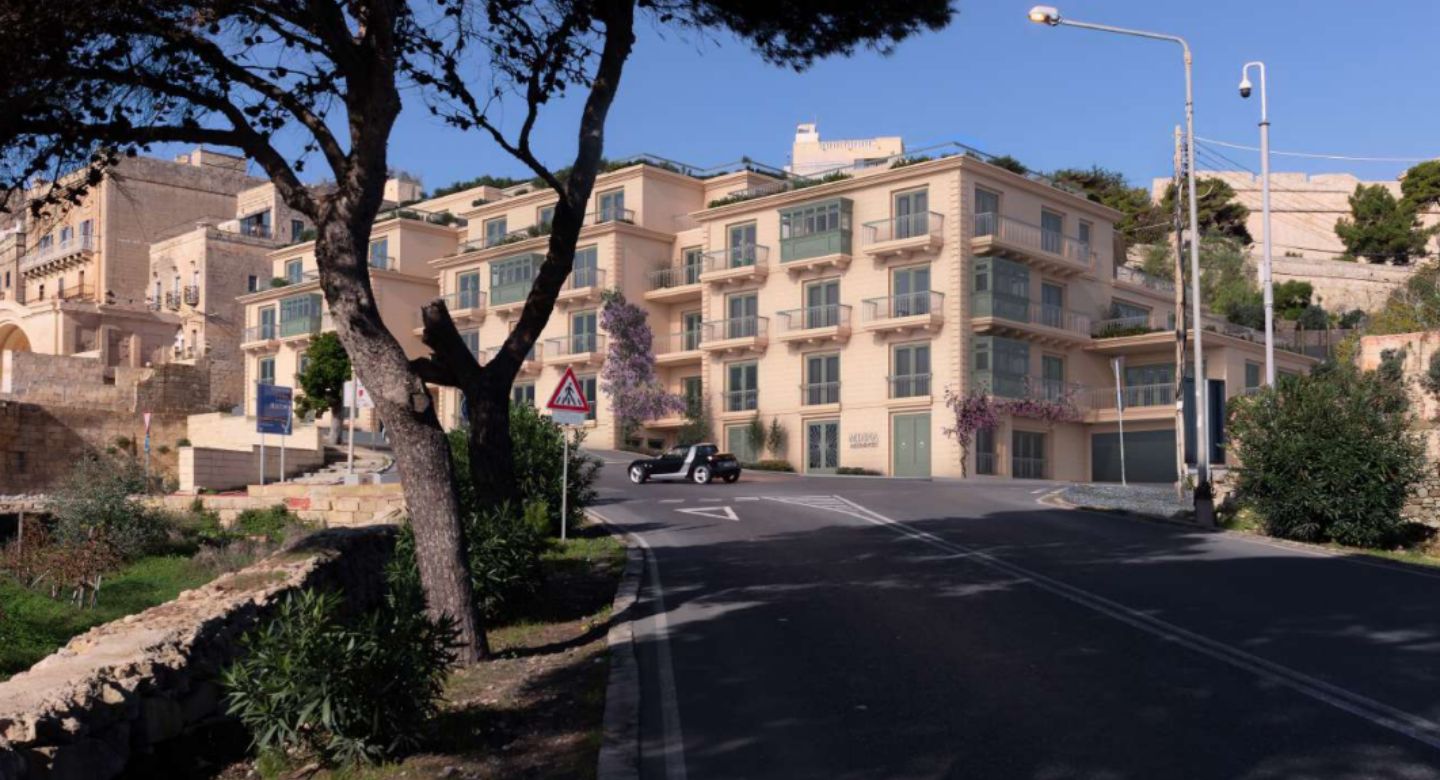
PA postpones Saqqajja flats decision amid ground stability concerns
I have heard both leaders promising heaven and earth. But no one has really hit what I want to hear. Which leader is going to promise that as soon as his team is elected, each of the deputies elected, will declare his assets and liabilities in a month’s time. This goes for both parties. And fir wives and husbands. Furthermore each declaration to be made every year.
Maybe, maybe, finally we, maltese citizens, will be finally convinced that all work by the elected government will be corruption free.
I read that Dr Alex Borg has pledged that if the PN is elected the declarations of assets (including spouses’) will be reinstated.
Ahjar metsola giet tiehu hsieb il partit u mhux hasbet ghal rasa biss ghax gejja tkaxkira ohra u addio partit nazzjonalista.