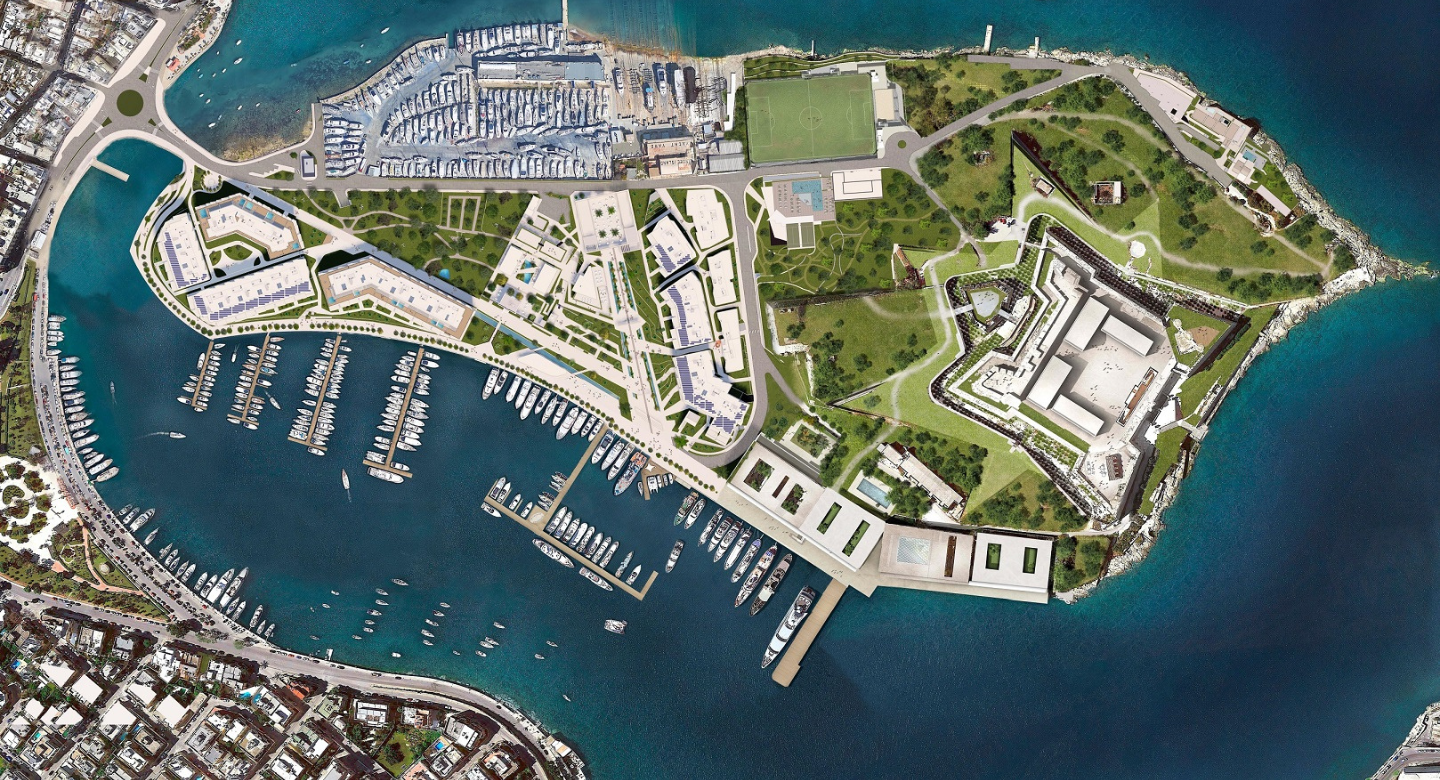

Parliament’s National Audit Office Accounts Committee has unanimously approved a government resolution paving the way for a €42.3 million payout to MIDI plc, with the Opposition PN joining Labour in backing what financial analysts describe as a taxpayer-funded “bailout” of a private developer.
The vote followed a brief debate on a resolution tabled by Lands Minister Owen Bonnici, effectively sealing an agreement negotiated by Prime Minister Robert Abela ‘to return Manoel Island to the public’.
Under the deal, MIDI, which the government itself had argued was in breach of its 99-year concession for failing to deliver the project, will hand back the site in exchange for tens of millions of euro from public coffers.
While the government has framed the agreement as a necessary step to reclaim Manoel Island, the financial details revealed by The Shift show that taxpayers will be covering far more than restoration costs, as originally promised by Prime Minister Abela.
Figures presented in Parliament show that of the roughly €42.5 million package, only around €11 to 12 million is directly linked to restoration works on the heritage site.

The remaining amount, now approved by the PL and PN, includes a wide range of expenses accumulated by MIDI over the past 25 years, such as €15.2 million in premium and ground rent, €8 million in design and Planning Authority fees, €2.6 million in salaries, €1.5 million in professional fees, over €1 million in security services, and additional costs related to Fort Tigné, branding, and administration.
During the committee discussion, Opposition MPs limited their intervention to technical questions on how these costs were verified, without challenging the inclusion of such expenses. This effectively cleared the way for a unanimous approval.
Minister Bonnici insisted the government had ensured that MIDI would not be compensated for lost future profits from the concession. However, Lands Authority CEO Robert Vella, who addressed the committee, confirmed that the agreement still includes reimbursement for numerous operational and administrative costs unrelated to physical restoration.
Neither Bonnici nor Vella explained why the government departed from Abela’s earlier public commitment that only restoration expenses would be covered.
The agreement is raising concerns among financial observers, particularly given MIDI’s financial position. The company has a €50 million bond held by around 3,000 shareholders, and the payout is widely seen as enabling MIDI to meet these obligations.
Critics argue that instead of bearing the risks of a failed project, the developer is now being cushioned by public funds.
The deal also marks a sharp political U-turn for Abela, who had previously defended the concession before reversing course amid mounting public pressure to turn Manoel Island into a national park.
MIDI forwarded the following as comment following the article’s publication:
“The article is based on the premise that MIDI was, or is, in default of its obligations under the Emphyteutical Concession entered in 2000. MIDI has denied this categorically and repeatedly. The fact that government asserts that there was a breach does not make it so.
MIDI was entitled to automatic extensions of the completion date under the express terms of the Deed. Once that is accepted, as it must be, on any proper reading of the Deed and the documented history of the project, everything else follows. The company has the right to continue developing Manoel Island. It has agreed to a framework which, once executed, will result in the surrender of that right – a right it held legitimately and which it exercised in good faith throughout the duration of the project.
The amount offered as reimbursement falls significantly short of the investment actually carried out on Manoel Island. That investment was made with the legitimate expectation – grounded in the terms of the deed itself – that the company would develop Manoel Island as a high-end mixed-use development. That expectation was reasonable, and it was frustrated not by any failure on MIDI’s part but by circumstances entirely outside its control.
MIDI’s acceptance of the proposed reimbursement was a pragmatic decision made in the interests of its shareholders and bondholders, the full reasoning for which will be set out in a circular to shareholders to be published shortly. It does not represent, in any sense, an admission of default or breach.
Government’s own independently appointed auditors verified the company’s expenditure at €66.4 million. The amount offered falls approximately €23 million short of that verified figure. That is clearly not a concession by government, and not a bailout. Government was far from generous.”
Sign up to our newsletter Stay in the know
"*" indicates required fields

Kurt Farrugia ‘forgot’ to publish direct orders


Malta increases its dependency on imported electricity as population surges

Turkish bank fails to lift €25 million security tied to Shoreline’s dispute
Controversial crematorium is in John Dalli’s ‘back garden’ – ERA missing in action
Tags
#Midi
Other News
Kurt Farrugia ‘forgot’ to publish direct orders
Malta increases its dependency on imported electricity as population surges
Turkish bank fails to lift €25 million security tied to Shoreline’s dispute
Controversial crematorium is in John Dalli’s ‘back garden’ – ERA missing in action

Doctors demand halt to health centre testing before further talks

Malta last in EU Parliament attendance rankings

One in four licensed short lets concentrated in St Paul’s Bay and Sliema

Bonnici hails progress at housing project caught in crisis that sank Galdes

Employers slam Clyde Caruana’s cheap talk
PA’s handling of rival crematorium applications raises a stink

Super CEO’s wife seconded to Mater Dei top job

if MIDI failed to comply with the contract, why should the govrnment (read taxpayer) pay to get it back?