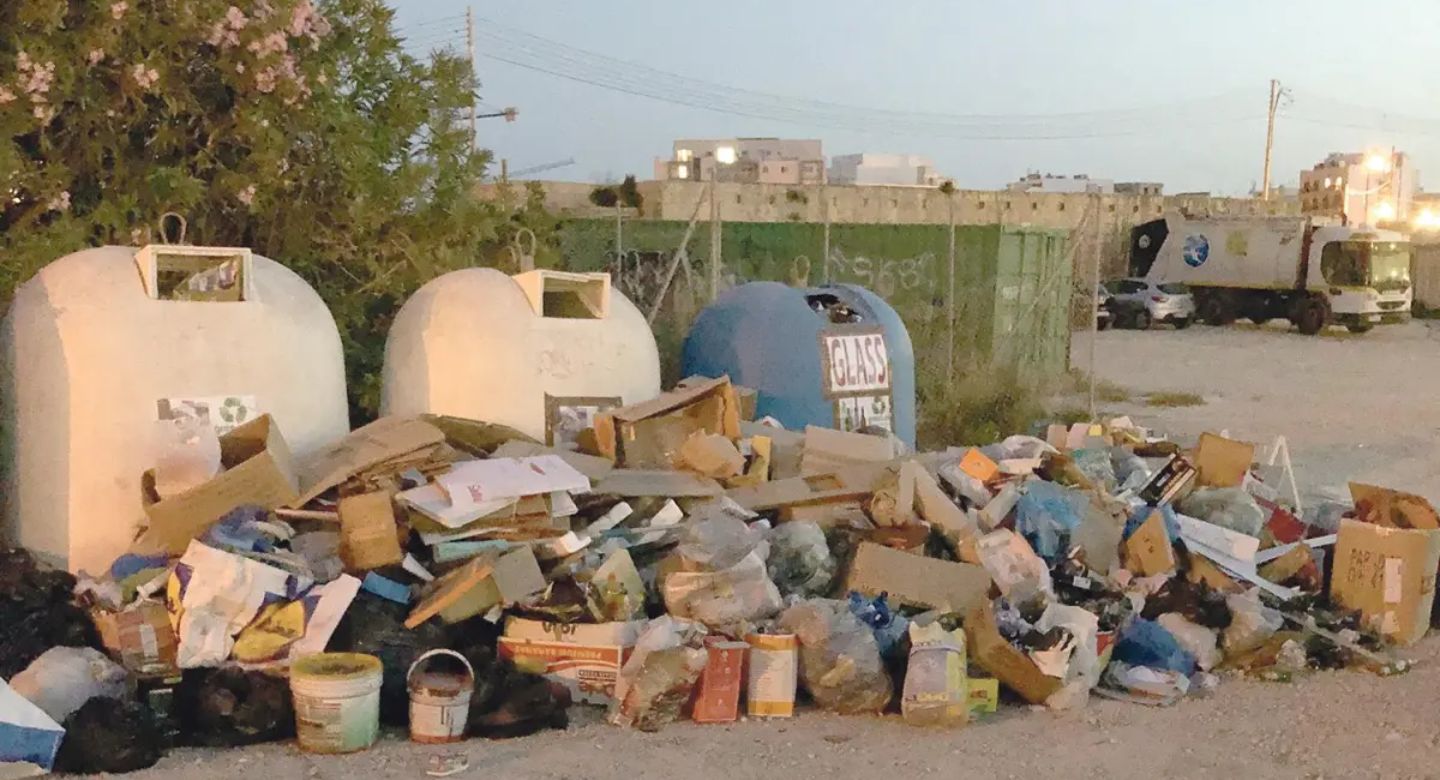

The business lobby, better known as the Malta Chamber, is suggesting the introduction of a phased charging system for rubbish disposal, opening the prospect of households paying according to the waste they discard, according to its latest pre-budget document.
The lobby called on the government to introduce “a phased pay-as-you-throw system to incentivise waste prevention, recycling and better source separation across the board”.
The recommendation forms part of reforms proposed for implementation over this legislature.
Household door-to-door garbage collection in Malta is currently free – although paid from taxes – at the point of use, while separate fees apply to commercial waste.
Regional councils organise residential collections, with rubbish delivered to WasteServ facilities for processing. Households separate organic waste, mixed recyclables, glass and residual rubbish for scheduled collection, rather than receiving bills linked to each bag’s weight or volume.
In its document, the Chamber argues that economic expansion, dense urbanisation and population growth have increased waste generation and pressure on infrastructure. It identifies inefficient collection, inadequate separation and limited recovery of reusable materials as obstacles to better waste management.
According to the Chamber, charging would introduce a financial incentive to produce less rubbish and separate more material for recycling. However, the draft proposal does not explain how that principle would translate into household bills.
It specifies neither rates nor whether charges would be calculated by bag, weight, bin size or collection frequency. There are no stated allowances for larger families, medical waste or shared bins, and no clear definition of who would pay.
Comparable systems already operate in mainland Europe, although arrangements differ between countries and municipalities.
In Belgium, pay-as-you-throw collection fees are already in place in Flanders and Wallonia. Similar schemes exist in Germany, Austria, Slovenia, the Netherlands and Luxembourg.
Typically, users pay according to waste quantities, with lower charges or no charge for separately collected recyclables. Some schemes combine variable charges with a fixed fee.
In its document, the Chamber also proposes reforming collection practices and exploring greater private-sector involvement in operating Ecohive and the Material Recovery Facility.
Sign up to our newsletter Stay in the know
"*" indicates required fields

MMH repays €15 million bond in full amid investor rescue deal
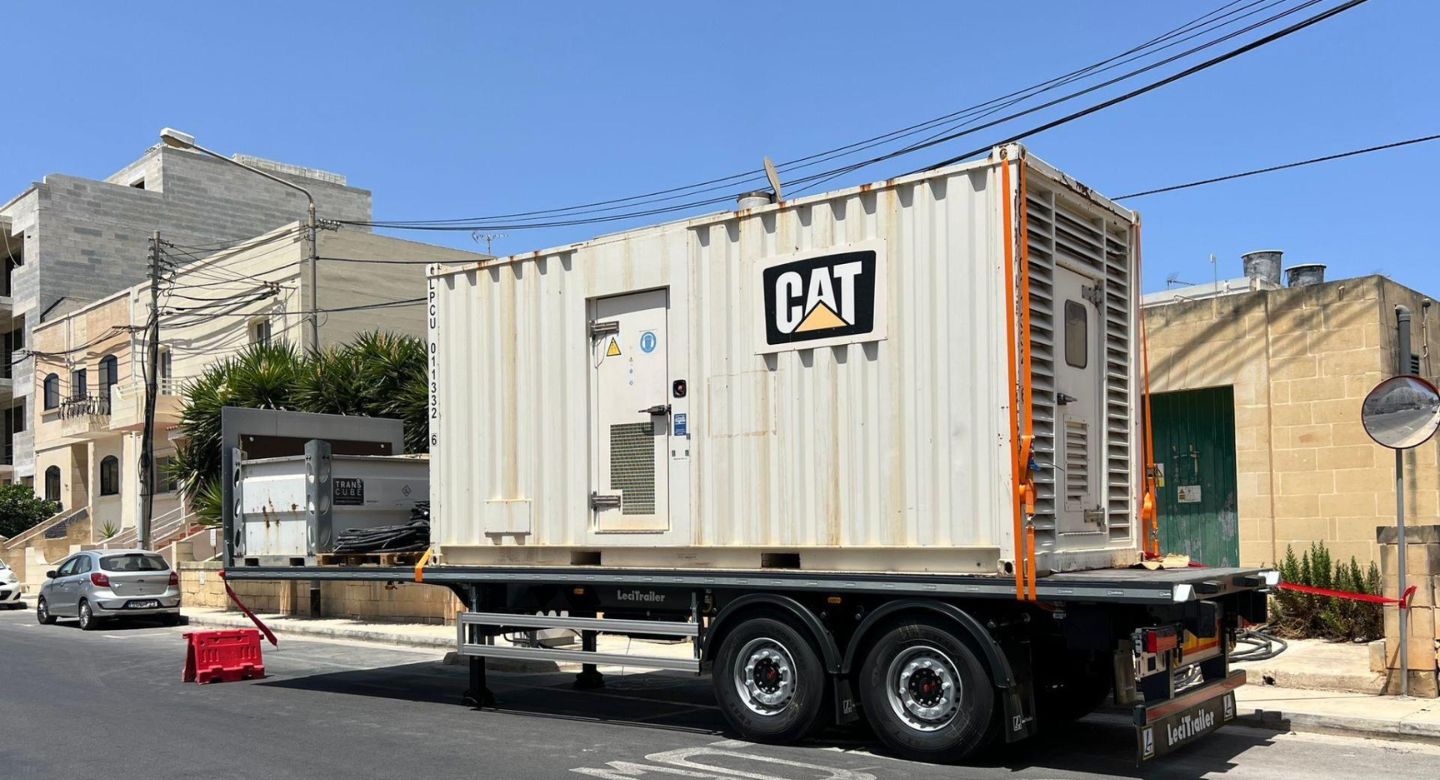
Energy crisis generator costs under NAO scrutiny


€61 an hour ‘thank you’ consultancy for Zammit Lewis

Public paid €6,000 for Kurt Farrugia interview and publicity
Tags
#garbage
#Malta Chamber
#proposal
#recycables
#waste
Other News
MMH repays €15 million bond in full amid investor rescue deal
Energy crisis generator costs under NAO scrutiny
€61 an hour ‘thank you’ consultancy for Zammit Lewis
Public paid €6,000 for Kurt Farrugia interview and publicity

Heritage Malta directors’ remuneration more than doubles to €103,000 as deficit hits €4.2m

Malta’s tourism intensity outstrips Amsterdam and Barcelona

Carlo Stivala in bigger trouble as all Centric Hotel might be illegal

Joseph Muscat losing his cool as corruption proceedings against him continue
‘Rogue’ development application threatens Cittadella’s status – Architect is former PA board member

Two managers for every three administrative staff at the BCA

Labour president handed embryo regulator’s top job amid conflict-of-interest concerns
Next: gradually lowering electricity subsidies?
Malta is doing real well. Right?
Waste collection is free at the moment and people still drive in the country side and dump domestic waste there. Can anybody imagine what is going to happen if households are charged for waste collection? If a charge is put in place the best way to collect it would be via the W&E bill.