
If transparency is the antidote to corruption, then the way the Nationalist Party’s leadership contenders respond to questions of campaign financing offers a crucial measure of whether the PN can credibly fight corruption in government – or risk being seen as beholden to the same vested interests it has long criticised.
That was the premise behind The Shift’s decision to put transparency at the centre of its questions to Adrian Delia and Alex Borg, the two candidates vying to lead the Opposition into a general election expected next spring.
Both candidates have pledged to strengthen accountability if elected leader, yet their responses to detailed questions on campaign financing reveal a contrast in approach and substance.
Delia presented figures, commitments and a clear framework for reform, while Borg offered broad assurances but little in the way of concrete detail.
Delia: Numbers and Commitments
Delia’s replies were the most specific. He disclosed that his campaign has so far cost €15,400, with total spending unlikely to exceed €30,000. He said donations came exclusively from private individuals, collected at campaign events, and that subsidised catering and venues would be assigned a notional value in his final accounts.
He also pledged to legislate for caps on private donations and on campaign spending, combined with the publication of audited accounts. Delia argued he is the only politician openly advocating public financing of political parties, insisting this is the only way to curb undue influence from big business.
Alex Borg: Poor on Detail
Borg, by contrast, insisted his campaign was driven by volunteers, describing it as a “grassroots movement” rather than a money-fuelled operation. He said he “was not for sale”, but failed to address questions on whether developers were funding or supporting his campaign.
When pressed for specifics, Borg declined to provide totals. He said digital marketing was his campaign’s largest cost, but said figures would only be made public after the leadership contest concluded. His campaign later resubmitted answers that rearranged earlier replies under different headings but still omitted precise financial data.
A Defining Contrast
The differing approaches reflect broader themes of the campaign. Delia projects substance, citing figures and reform proposals. Borg relies on broad statements about integrity and accessibility, but avoids detail on the most sensitive issue of who funds his bid for power.
For a party attempting to rebuild credibility after years of electoral defeat, the implications are significant. If the PN’s new leader cannot demonstrate openness in an internal campaign, it will be difficult to convince voters the party is serious about fighting corruption in government.
Media Access Restrictions
The episode also underscored the PN’s strained relationship with independent media. Party rules for the leadership race barred candidates from answering questions unless approved by the party’s electoral commission. The Shift refused to accept this condition, insisting it is in the public interest to scrutinise those who may soon lead the Opposition into a general election.
In choosing transparency as the lens through which to evaluate the contenders, The Shift highlighted what may prove to be the defining question of the PN’s leadership race: whether the party is ready to hold others to account – or whether it risks falling into the same patterns of opacity it condemns.
The questions and answers are being reproduced in full below:
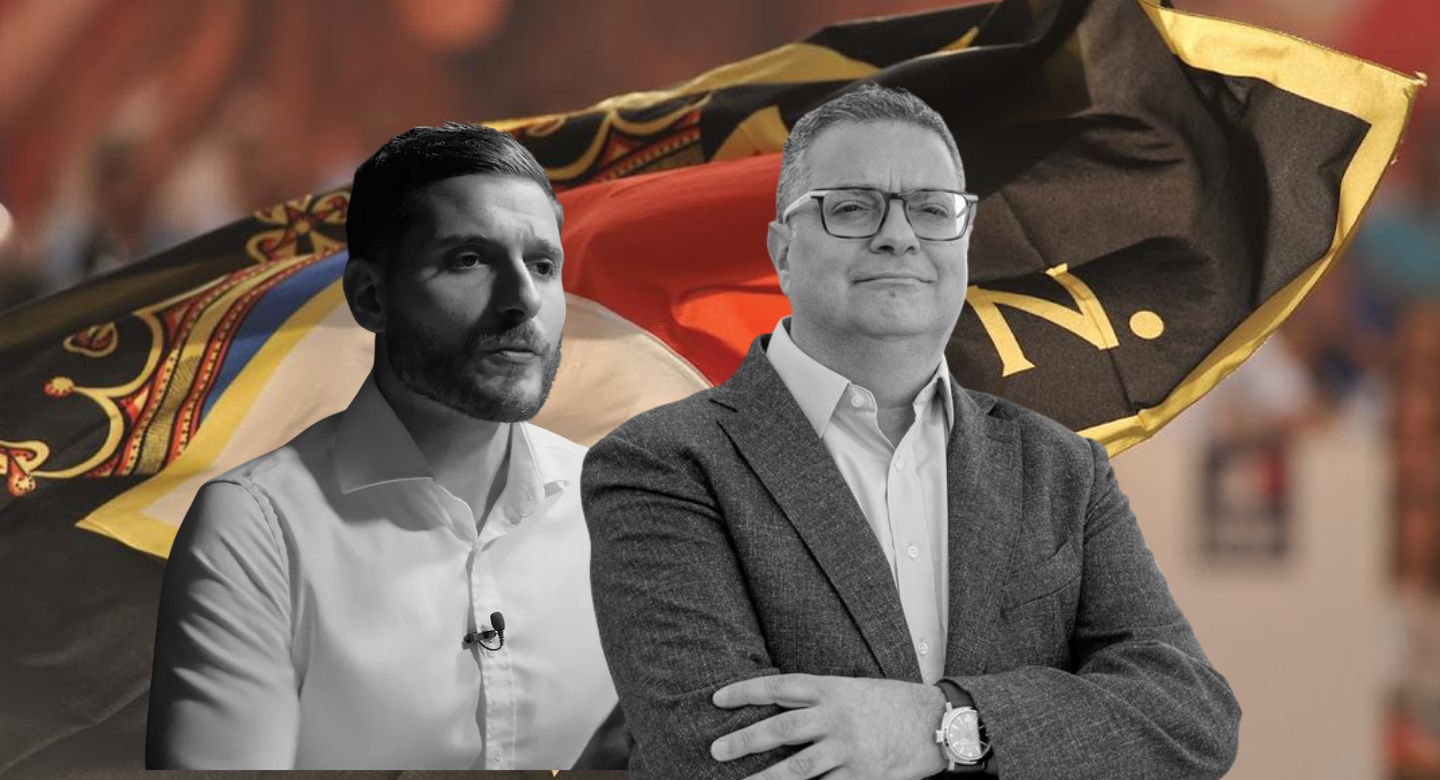
Adrian Delia
What is the main source of your campaign financing?
Private individuals participating in our request for donations were the sole source of financial assistance in this campaign. During our public events throughout the campaign a donation box was passed around. Every little helps.
Is your campaign financed by individuals in ‘big business’? Here, we are referring to developers, contractors, financial institutions, or other major influencers in their sector. If so, by whom and how much?
None of our campaign financing came from corporations but the catering and venues we used were either free or subsidised. We will put in a notional value for that catering cost when we submit our final campaign accounts. We issue receipts for every monetary donation received.
Are you concerned, as the possible future Opposition Leader, about close ties to big business interests? Do you feel this may compromise your position if elected?
I am the only politician advocating public financing for political parties with a low cap on private, individual donations. We will also legislate caps on private donations and on the financing of private campaigns that echo that of any party. The PN, if I am elected, will ensure transparency through the publishing of audited accounts. I am proud to say that in my previous experience as a leader, these were always presented and published on time.
What is the total cost of your campaign so far? And what is the estimated total cost at the end of the campaign?
So far we have spent EUR 15,400 and the total projected spend should not exceed EUR 30,000. I believe that excessive spending would be an insult to our supporters in view of the financial situation of the party itself.
Alex Borg
What is the main source of your campaign financing?
The main source of this campaign is the commitment and hard work of an amazing group of volunteers who are giving their time, energy, and resources. Their participation underscores that this is a grassroots movement, not one fuelled by money. This effectively covers a large part of what would otherwise be a cost.
Is your campaign financed by individuals in ‘big business’? Here, we are referring to developers, contractors, financial institutions, or other major influencers in their sector. If so, by whom and how much?
No. Neither I nor my campaign is financed by or subject to the direction of any so-called “big business” or any influential individual or group. I welcome small contributions from like-minded people, but these are minimal when compared to the time and effort of our volunteers. I am not now, and will never be, for sale under any circumstances.
Are you concerned, as the possible future Opposition Leader, about close ties to big business interests? Do you feel this may compromise your position if elected?
I believe transparency and accountability must remain at the core of political leadership. My only influence and driving force is the mission of making the Nationalist Party reach out again to those voters who have, for many reasons, stopped listening. I am not concerned about compromise because I have no ties that bind me to any interests except that of the Maltese and Gozitan population. My sole priority is to offer Malta a clear change in direction for the good of present and future generations.
What is the total cost of your campaign so far? And what is the estimated total cost at the end of the campaign?
The campaign’s largest cost is digital marketing, which is necessary to connect with our tesserati and supporters. The figures are being worked out by the people in charge, and I have no problem with these being made public after the whole process of finalised once we have our totals after the campaign.
Sign up to our newsletter Stay in the know
"*" indicates required fields

Fierce battle over WasteServ’s €125 million workforce contract

UPDATED – PL Deputy Leader questioned in EPPO-led probe into EU funds procurement

Police station to poolside guesthouse? FAA objects to Birkirkara plan
Senior TM officer and minister’s canvasser suspended
Tags
#Adrian Delia
#Alex Borg
#PN Leadership race
#transparency
Other News
Fierce battle over WasteServ’s €125 million workforce contract
UPDATED – PL Deputy Leader questioned in EPPO-led probe into EU funds procurement
Police station to poolside guesthouse? FAA objects to Birkirkara plan
Senior TM officer and minister’s canvasser suspended
EU allocates Malta €4 million for Storm Harry
Lilu is no longer ‘king’
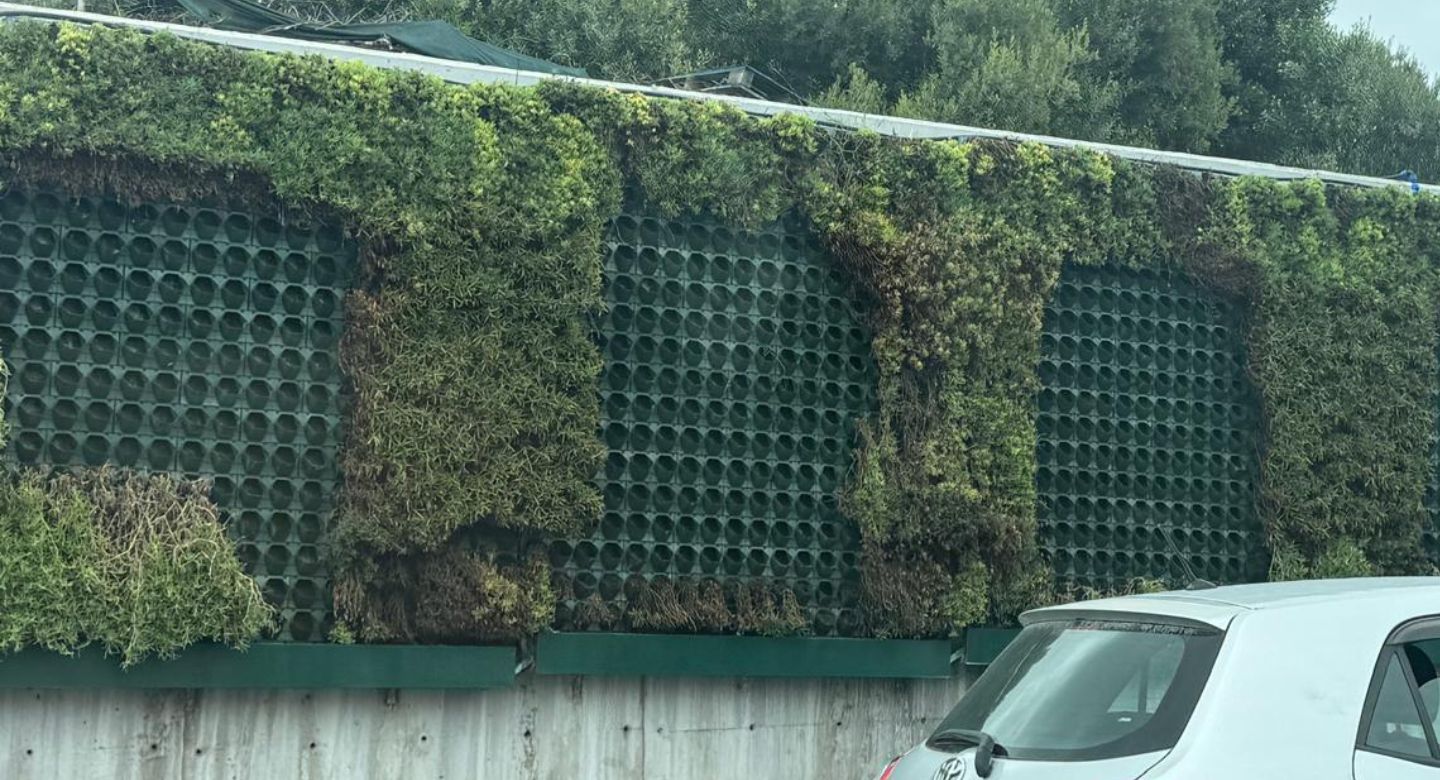
Green wall stripped of dead plants a day after The Shift report

Bonnici gets new €3 million direct order at Ħal Far while drag strip remains incomplete
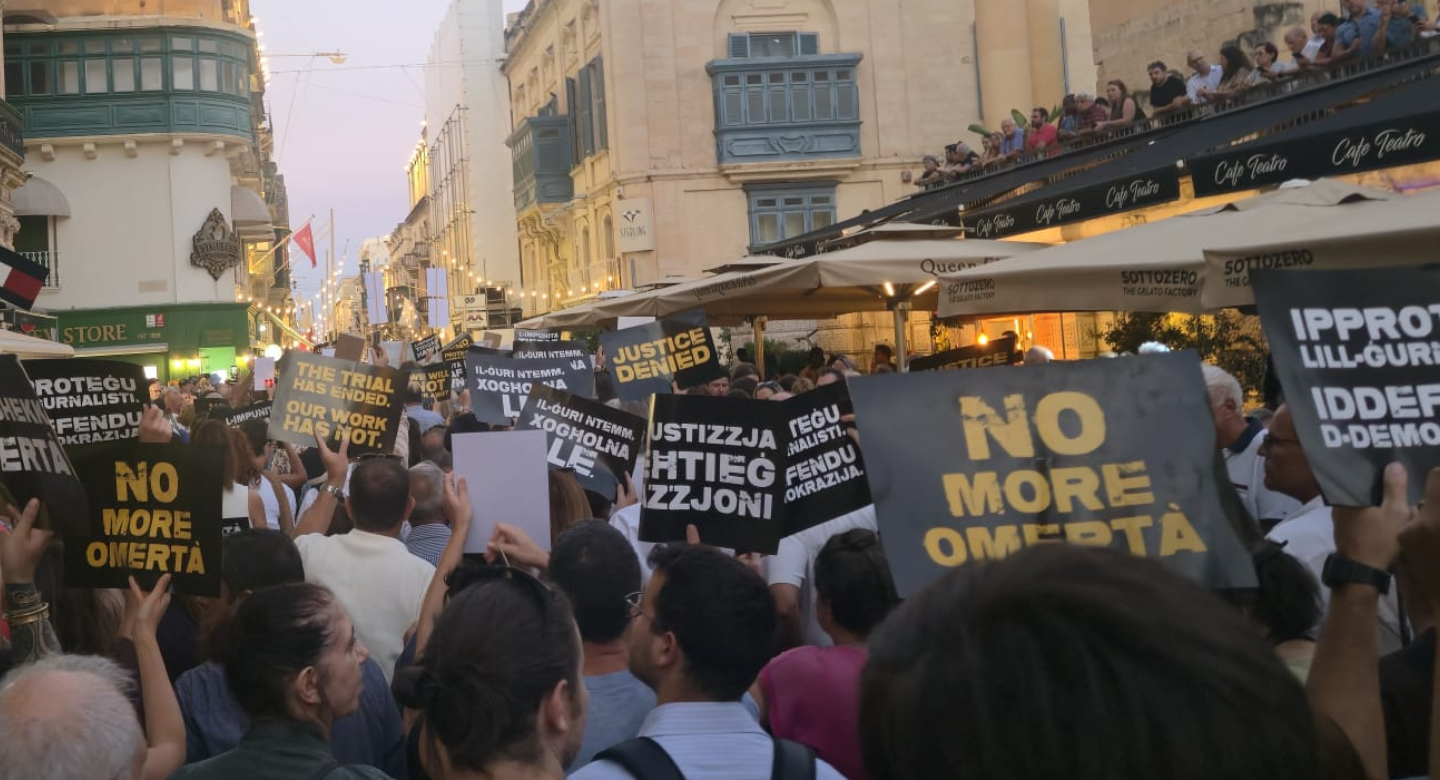
Thousands of people call for justice for Daphne
Tourism minister called to wake up – ‘Enough is Enough’, residents insist

Melita – Epic deal could leave Malta with just two mobile networks, reducing competition

Jidher li ergajna koppi b dawn it tnejn.
It seems that both of them are trying to get elected by looking to the tesserati. I consider this as a closed shop. I keep in mind that these are just a small percentage of the voters in an election. What the tesserati think could not really reflect the thousands who vote in an election. Let’s say that x could be great as a party leader but a flop as leader of the opposition. Up to now no one demonstrated that they are leader of the opposition material.