
The European Media Freedom Act (EMFA), hailed as a landmark milestone in protecting press freedom, media independence, and pluralism across the European Union, entered into force this week, but significant concerns persist over the slow pace of national implementation, with strong warning signs from member states, including Malta.
Reporters Without Borders (RSF) has lamented that many member states have yet to make the necessary legislative adjustments needed to give effect to EMFA’s core protections—such as shielding journalistic sources and ensuring editorial independence in public service media.
Despite being directly applicable, EMFA’s enforcement depends on member states’ willingness to update national laws robustly.
Malta has emerged as a particularly stark case. A 2025 report by the Civil Liberties Union for Europe criticises the country’s anti-SLAPP (Strategic Lawsuits Against Public Participation) legislation, adopted to comply with EU standards, for falling well short of best practice.
The EMFA will also come down hard on PBS. It states that all heads and board members of public broadcasters must be appointed through a transparent and non-discriminatory process.
This will immediately cause issues for Malta as PBS refused to make public the names of those on the editorial board and contracts related to senior staff’s employment. It is also packed full of political appointees and considered “state-controlled media”, lacking independence.
PBS is also non-transparent about how senior staff are appointed, and questions on departures and political influence in this process also remain.
The agreed text also states that all public media funding procedures must be transparent, objective, sustainable and predictable to safeguard independence. In addition, there will be independent monitoring of the media’s independence with the reports made available to the public.
Currently, PBS refuses to give information on how it is funded, how much it pays staff, and how public money is spent on programming and online publishing. It has also consistently failed to publish reports on spending, independence, and how taxpayers’ funds are allocated.
And the government will have to disclose its funding of independent media. The EMFA states funding to media will be allocated openly through a non-discriminatory procedure based on public criteria. The government will also have to publish information each year on how much they spend on media advertising, who it was paid to, and how much was spent per media service provider.
This will be another hard pill to swallow for the Maltese government, which remains tight-lipped about how much it dishes out to various media companies.
The government has vigorously resisted Freedom of Information requests into its media spending, prompting protracted legal battles that have been denounced by RSF and others as attempts to obstruct public scrutiny.
The Maltese government was sharply rebuked for advocating a loophole in the EMFA permitting state surveillance of journalists under the guise of national security—a stance widely condemned by media freedom organisations and MEPs. Although subsequent negotiations ultimately removed the explicit national-security carve-out, the incident underscores Malta’s unsettling track record on media safeguards.
Against this backdrop, Reporters Without Borders Director General Thibaut Bruttin’s call for decisive action from Brussels gains urgency: “The European Commission must hold national authorities to account—and, if necessary, initiate proceedings against the most recalcitrant governments.”
The Commission could proceed under Article 258 of the Treaty on the Functioning of the EU for persistent non-compliance.
As the EMFA seeks to underpin a refreshed “democratic shield,” its full and faithful implementation—especially in fragile media environments like Malta’s—will define its meaning and legacy. The stakes are clear: without enforcement, Europe’s bold statutory protections risk being undermined at the national level.
Sign up to our newsletter Stay in the know
"*" indicates required fields

Where are the Moroccans? Outside Glenn’s job description

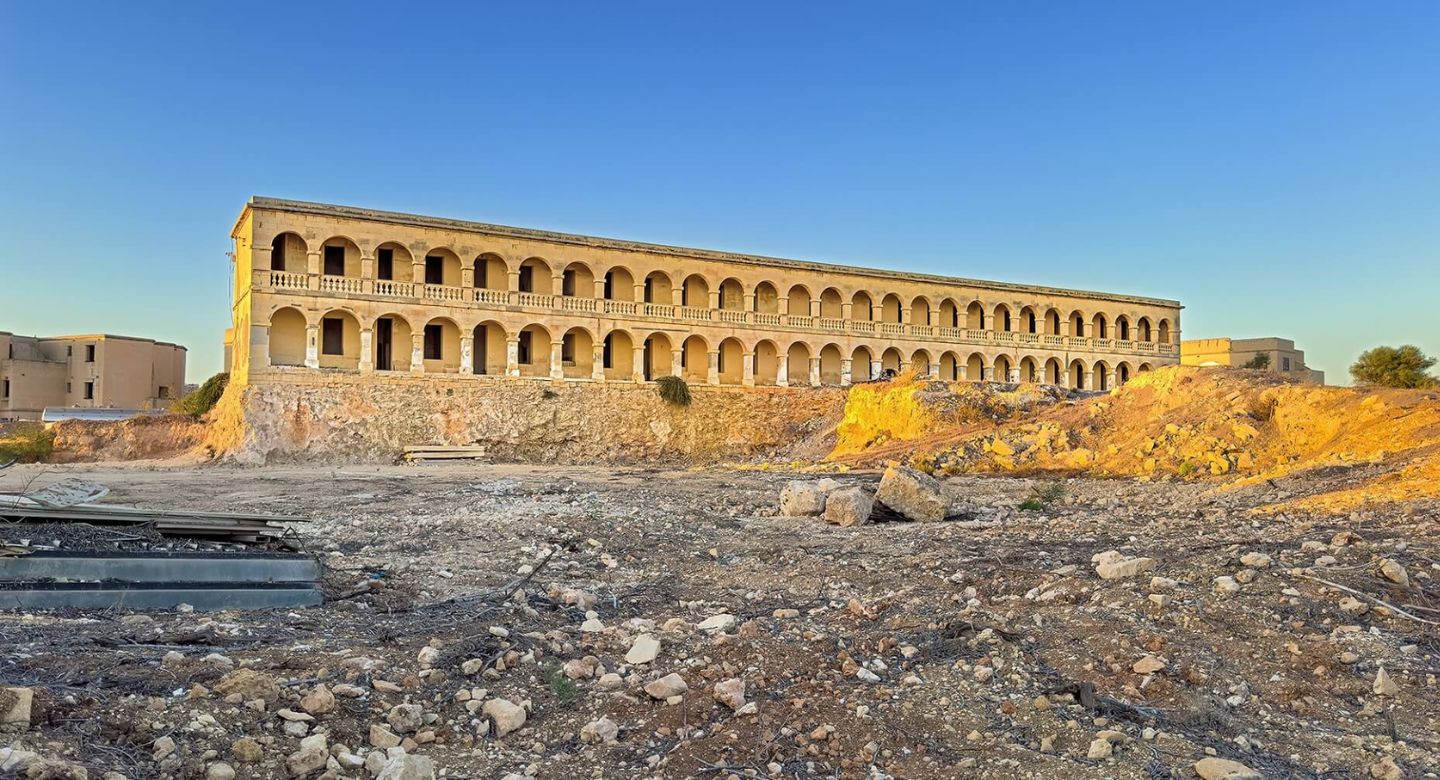
Fort Chambray decision is not enough – NGOs


Regulator rejects BOV’s nomination for top risk post
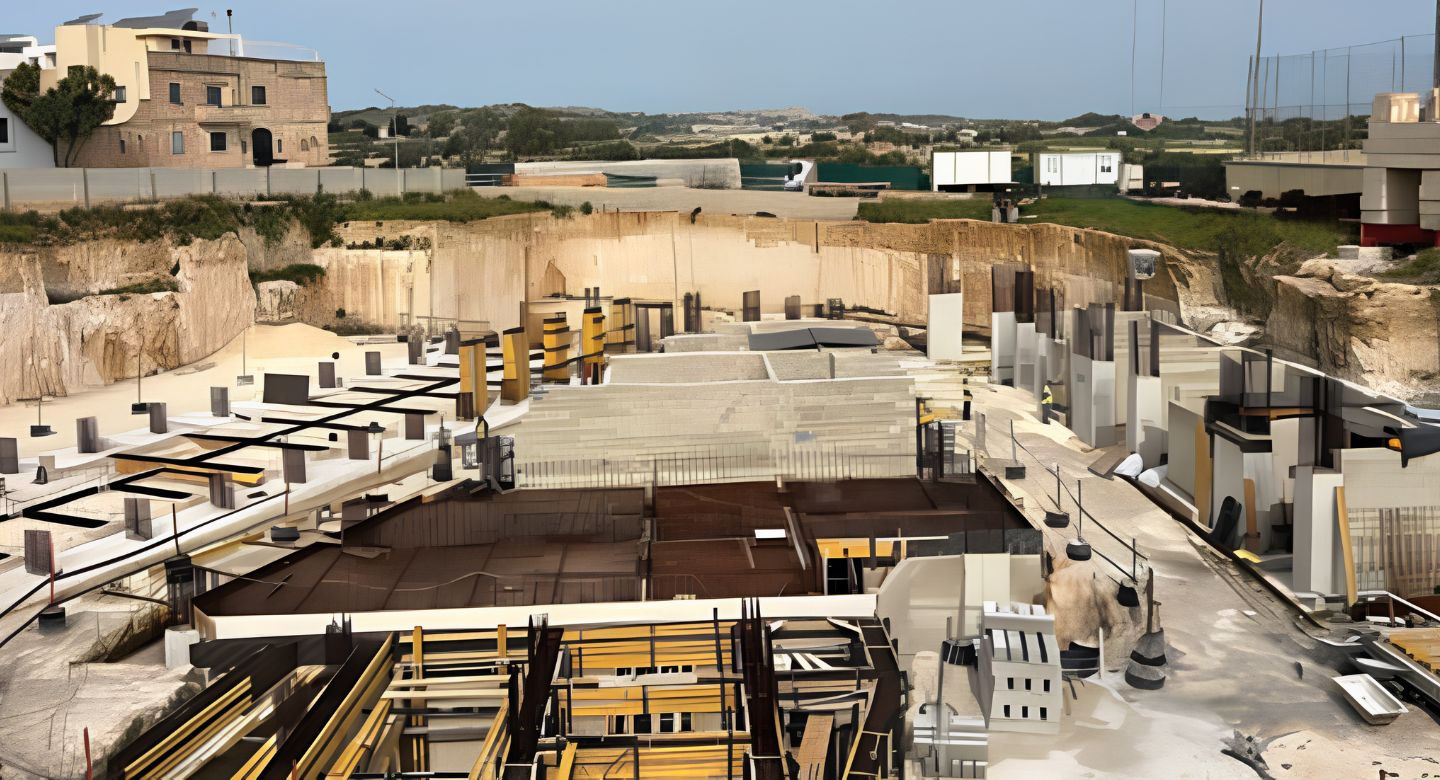
Terminated Housing Authority contractor formed company months before €6.5m Siġġiewi contract
Tags
#European Media Freedom Act
#Malta
#PBS
#press freedom
#public broadcaster
#State advertising
Other News
Where are the Moroccans? Outside Glenn’s job description
Fort Chambray decision is not enough – NGOs
Regulator rejects BOV’s nomination for top risk post
Terminated Housing Authority contractor formed company months before €6.5m Siġġiewi contract
Government makes U-turn on Chambray, leaves protection and public access unclear

Dalli’s trusted aide leaves regulator after clash over interference

Dripping poison


Rare PL-PN unity as Siġġiewi vows to stop crematorium

MeDirect rejects bond disclosure allegations, warns Vaswani of damages claim
Dalli finds the culprit of Wied Speranza: water in a valley

Pama directors’ bonuses rise 21% as operating profit falls