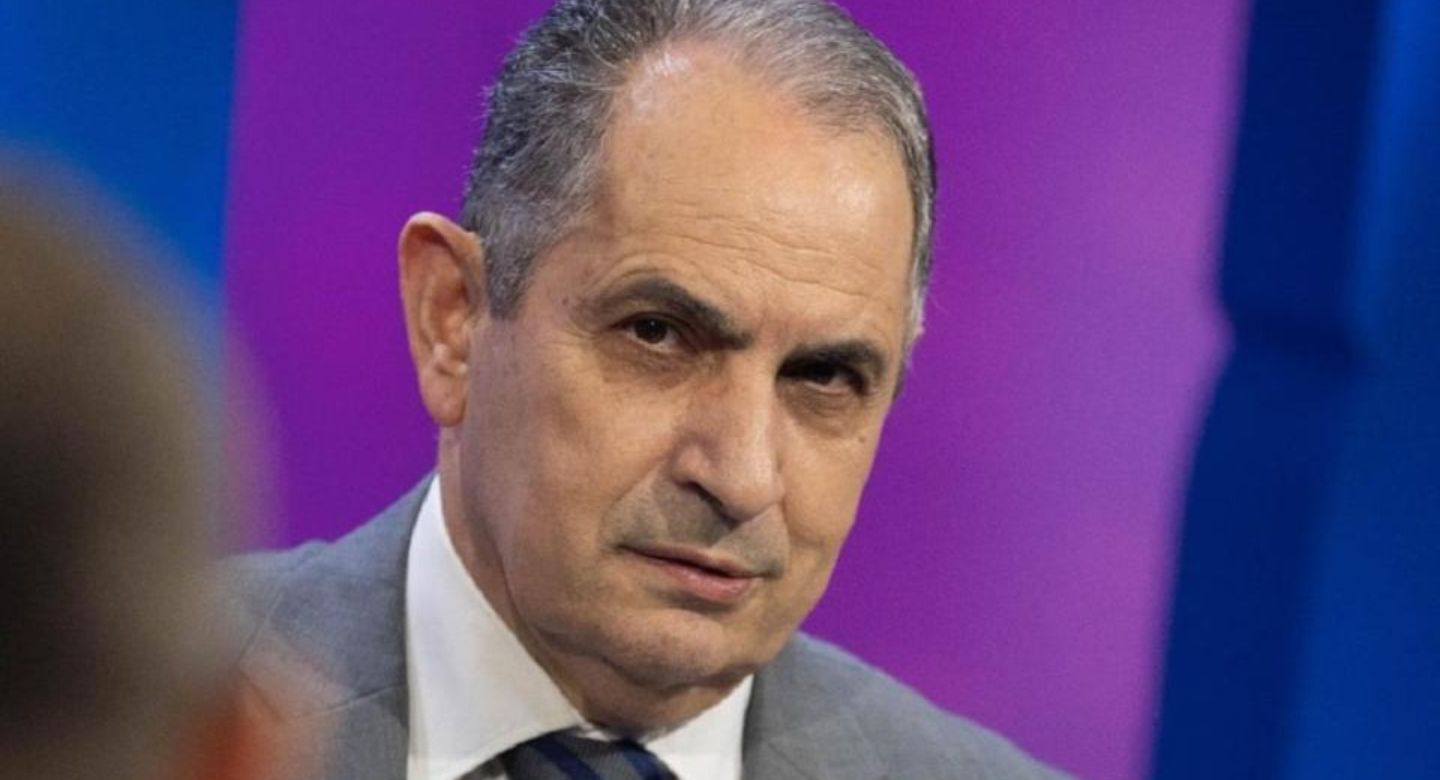
PN shadow minister Joe Giglio has refused to apologise after Standards Commissioner Joseph Azzopardi found he breached parliamentary ethics by failing to declare an interest in legislation that benefited his legal clients.
The finding follows a complaint by Matthew Caruana Galizia over Giglio’s representation of Nigel and Mikaela Scerri, whose criminal proceedings ended following a tax settlement made possible by the legislation.
In his report, Azzopardi concluded that Giglio should have declared his professional interest before Parliament voted on Bill 142. Giglio’s refusal to accept an apology as a remedy means the report is being submitted to Parliament’s Standards Committee.
The bill passed its second reading, committee stage and third reading in a single sitting on 4 August 2025, becoming law a week later.
It allowed people facing criminal proceedings over tax evasion and related offences to settle with the tax authorities, subject to conditions, and have proceedings brought to an end.
Giglio represented the Scerri couple before the legislation was debated and when their case subsequently ended.
He argued that the disclosure requirement could not extend to legislation applying generally to people who happened to be clients of MPs practising a profession.
Azzopardi rejected that argument.
The legislation applied to a limited category of people and offered a substantial benefit by allowing them to avoid criminal proceedings potentially leading to imprisonment.
The commissioner also dismissed any suggestion that disclosure would compromise client confidentiality.
Giglio could have declared an interest without identifying his clients or explaining their circumstances.
Giglio voted against the bill alongside other opposition MPs. Azzopardi said that did not remove the obligation to declare his interest, but considered the vote a mitigating factor.
The commissioner judged the breach was not grave and offered to close the case if Giglio apologised in writing and undertook to observe the rule in future.
Giglio declined.
In his response, he disputed the commissioner’s interpretation, argued it could hamper MPs across different professions and called for clearer guidance.
The report also exposes weaknesses in Parliament’s disclosure rules.
Azzopardi noted that the relevant provision does not cover an MP’s own interests or those of relatives and other close people, and applies only to bills rather than other parliamentary work.
He warned that a proposed replacement code largely reproduced those weaknesses, despite extending disclosure to other parliamentary business.
Azzopardi recommended that the code be clarified and strengthened before being brought back to Parliament for consideration.
Sign up to our newsletter Stay in the know
"*" indicates required fields

Tigerman to have more of his illegal zoo regularised by PA


Socialist militant slams Labour’s economic model

AG’s office blunders again: Error caps Scicluna’s possible sentence

Bonnici consortium drops cardiac lab appeal after securing €120 million Mater Dei direct order
Tags
#ethics
#Joe Giglio
#laws
#Matthew Caruana Galizia
#Rule of Law
Other News
Tigerman to have more of his illegal zoo regularised by PA
Socialist militant slams Labour’s economic model
AG’s office blunders again: Error caps Scicluna’s possible sentence
Bonnici consortium drops cardiac lab appeal after securing €120 million Mater Dei direct order

Jerma or Magħtab? Residents question reference in hotel redevelopment study

‘Madness’ continues as MTA approves 30 new hotel projects

PBS director Jeremy Camilleri faces Delia defamation suit over TV remarks

€1 million needed to fix new surface at incomplete Ħal Far track

Government ignores warning Malta cannot sustain two crematoria – John Dalli is right

Bonett launches survey to understand traffic
Alex Borg agreed to government appointment of retired judge to monitor government advertising