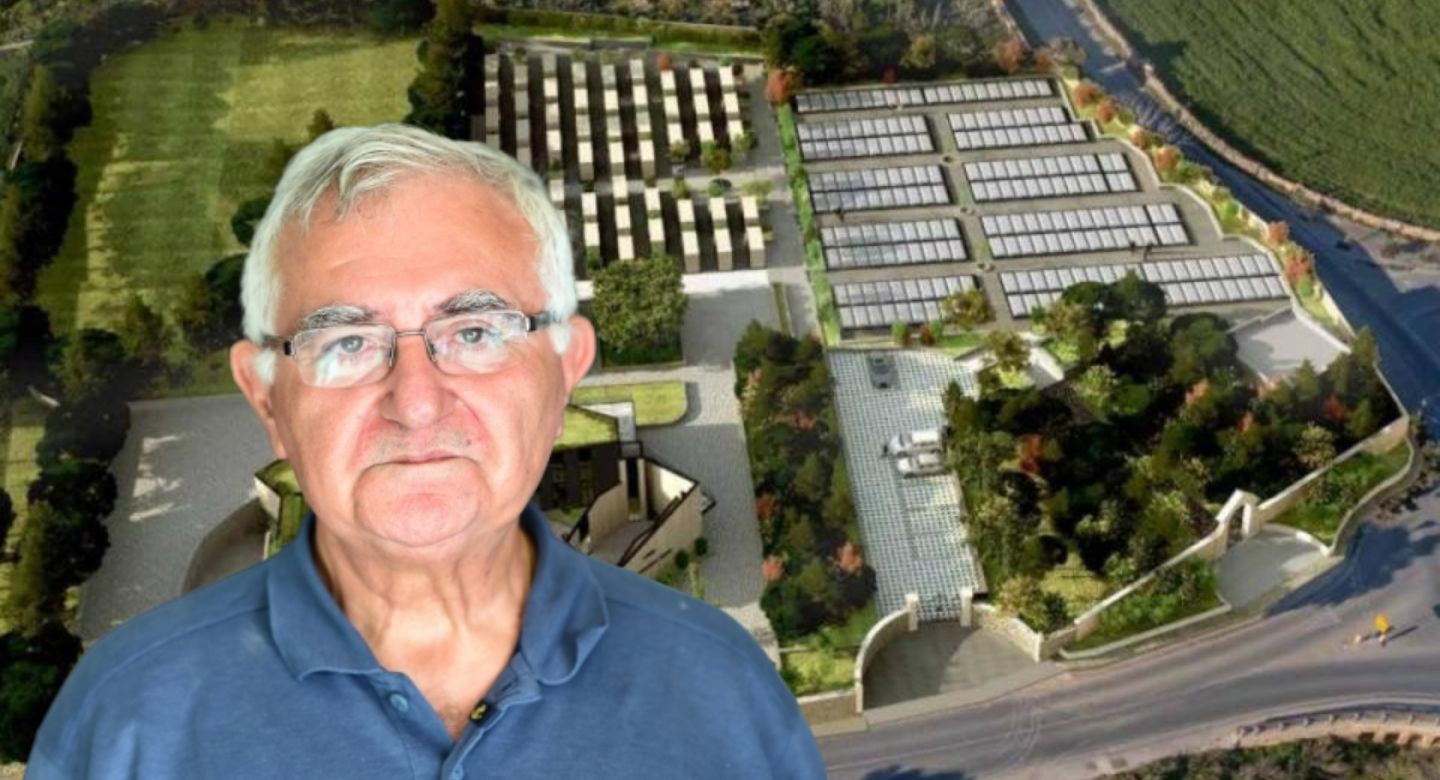

Studies presented to the government and the Planning Authority warned that Malta cannot sustain two commercially viable crematoria. Yet planning approvals have advanced competing projects, raising questions about what demand assessment justifies both and exposing a lack of planning and direction by the authorities.
The research, seen by The Shift, forecasts 440 cremations nationally in 2028, rising to 700 in 2032 and 1,000 in 2038. Each facility, it estimates, would need around 700 cremations annually merely to break even.
Two operators earning a fair return would require approximately 1,800 cremations a year – substantially above projected demand even in 2038.
Former finance minister and European Commissioner for Health John Dalli had already challenged the economics during the Siġġiewi planning hearing, asking whether Malta would have to import corpses to sustain the project.
As The Shift reported, Dalli, whose family home stands beside one of the proposed developments, questioned the application’s speed and demanded assurances about residents’ health.
The board approved it anyway.
Active Group’s Paola proposal, submitted in 2021, received outline approval on 24 September. The Shift had reported outstanding environmental studies and objections before that decision. A full application and further technical assessment remain necessary.
Mario Tonna’s Siġġiewi application, submitted in 2025, secured full planning approval on 8 October.
The different treatment of the rival applications allowed the newer proposal to overtake its older competitor. The PA assessed Siġġiewi as a cemetery extension rather than a standalone crematorium.
ERA’s failure to respond to a consultation was treated as no objection.
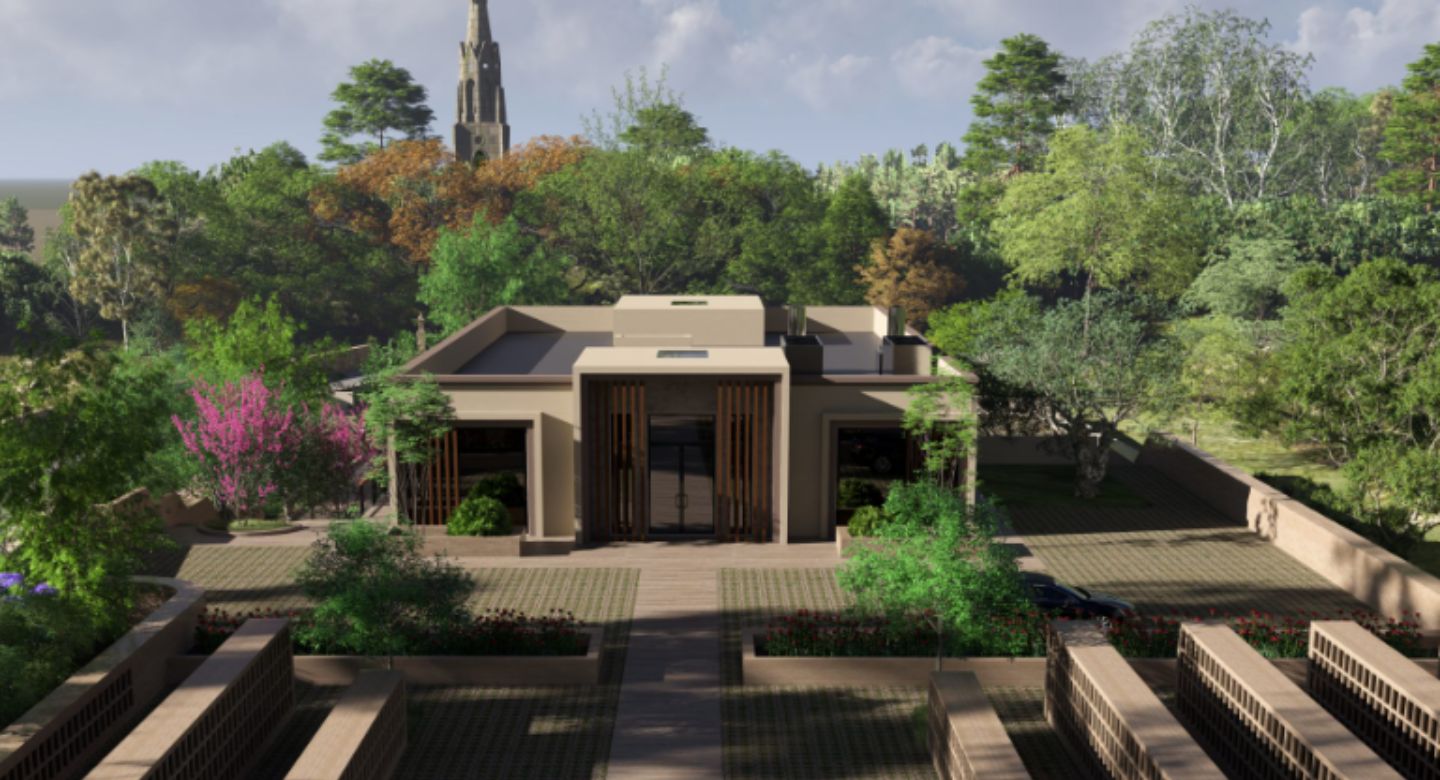
Five times the demand
The studies estimates that one facility with two furnaces could perform approximately 5,000 cremations annually – five times forecast demand for 2038.
A sophisticated crematorium would cost €4 million to €4.5 million. Its calculations assume a net cremation charge of €650 – €700, with at least 800 cremations annually needed for a reasonable return.
The studies recommend one operating licence initially, awarded through a tender or public-private partnership, with a second considered only after annual cremations exceed 2,000. The approvals have nevertheless advanced both projects, leaving that recommendation unaddressed.
The warning extends beyond operators’ profits.
Separate facilities would each consume fuel heating furnaces while dividing the same caseload, the studies argue. It also warns of duplicated development outside development zones and failed businesses leaving abandoned buildings.
Those environmental warnings add to the questions facing the government over its approach.
Meanwhile, Labour and Nationalist councillors in Siġġiewi have united against the approval, pledging an appeal, a suspension request and further court action if necessary.
Sign up to our newsletter Stay in the know
"*" indicates required fields

Bonett launches survey to understand traffic
Alex Borg agreed to government appointment of retired judge to monitor government advertising


PBS ethics watchdog Reno Bugeja takes the screen on Labour’s TV

No compensation for family of former parliamentary secretary who died on operating table
Tags
#crematoria
#John Dalli
#not feasible
#studies
Other News
Bonett launches survey to understand traffic
Alex Borg agreed to government appointment of retired judge to monitor government advertising
PBS ethics watchdog Reno Bugeja takes the screen on Labour’s TV
No compensation for family of former parliamentary secretary who died on operating table

Calypso Hotel shareholder is also acting as valuer of €22.7 million property

Bonnici Brothers given €1.2 million tender to transport blackout generators

Attorney General must answer after Cisse murder acquittal – Momentum

Watch: Żejtun council in turmoil as Labour councillors turn on each other

Jury clears former soldier in Lassana Cisse killing

Corinthia to repay millions with more borrowing

TM ‘hid’ €104,000 in consultancy contracts issued by Kurt Farrugia to Keith Fenech
