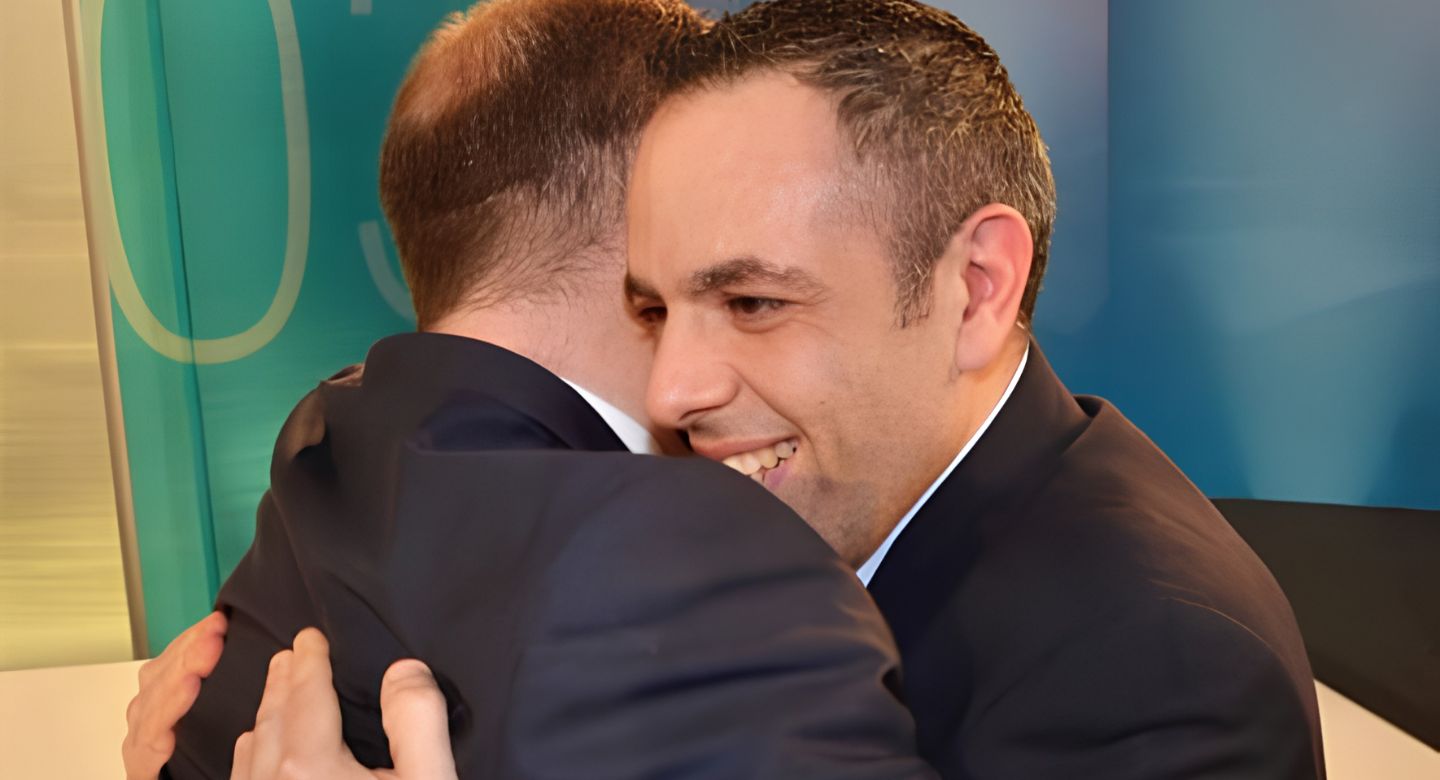

Prime Minister Robert Abela has shifted responsibility onto his predecessor Joseph Muscat over renewed criticism of the public inquiry into the assassination of journalist Daphne Caruana Galizia.
Speaking on Thursday, Abela dismissed a question about disgraced former prime minister Muscat’s claim that the inquiry should have taken place only after the conclusion of the criminal proceedings against businessman Yorgen Fenech.
“The public inquiry took place after a decision taken by the administration of that time,” Abela said. “Whoever made that comment has to explain it because it was carried out by the administration he led,” he said in a clear snub at Muscat.
Abela’s comments came after Muscat sought to use Fenech’s acquittal to cast doubt on parts of the inquiry’s conclusions.
A jury on Wednesday found Fenech not guilty of complicity in Caruana Galizia’s murder and of criminal association by eight votes to one. Prosecutors had accused him of commissioning and financing the October 2017 car-bomb assassination.
The disgraced former Prime Minister said the verdict strengthened his long-held view that the public inquiry he had agreed to should have waited until after the trial, allowing its board to consider all the evidence presented in court.
He claimed some of the inquiry’s “assumptions” could now be interpreted as conflicting with the jury’s verdict. Muscat also insisted that nobody had been protected from justice under his administration and said investigators had received all the resources they requested.
The disgraced former prime minister acknowledged that he had agreed to hold the inquiry immediately after being persuaded that postponing it could create the impression that the government intended to prevent it altogether.
Muscat’s administration formally established the inquiry in September 2019, almost two years after the assassination and days before the expiry of a deadline imposed by the Parliamentary Assembly of the Council of Europe.
The inquiry’s final report, published in July 2021, found that the Maltese state bore responsibility for creating a culture of impunity that facilitated Caruana Galizia’s assassination and for failing to protect her.
It assigned collective responsibility to Muscat’s administration while placing greater responsibility on the disgraced former Prime Minister himself as head of government.
The inquiry did not find that Muscat, his government or the state had participated directly in the assassination. Its mandate concerned the state’s institutional failures and the environment surrounding the murder, rather than determining Fenech’s criminal guilt.
Abela did not directly defend those conclusions or address Muscat’s suggestion that they had been weakened by Wednesday’s verdict. Instead, he placed the burden on Muscat to reconcile his criticism with his own government’s decision to commission the inquiry.
Sign up to our newsletter Stay in the know
"*" indicates required fields
Portelli clan rupture deepens


MMH repays €15 million bond in full amid investor rescue deal
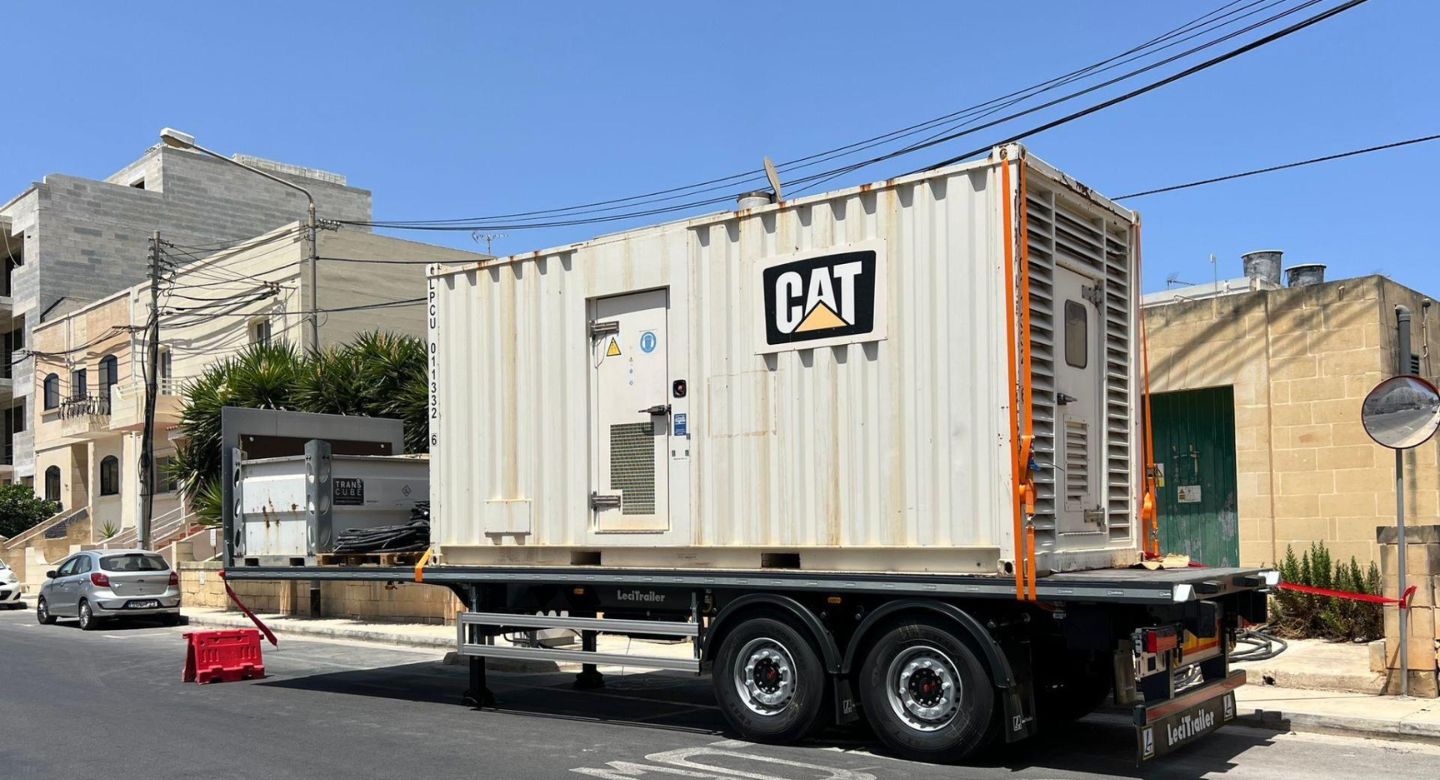
Energy crisis generator costs under NAO scrutiny

€61 an hour ‘thank you’ consultancy for Zammit Lewis
Other News
Portelli clan rupture deepens
MMH repays €15 million bond in full amid investor rescue deal
Energy crisis generator costs under NAO scrutiny
€61 an hour ‘thank you’ consultancy for Zammit Lewis
Public paid €6,000 for Kurt Farrugia interview and publicity

Heritage Malta directors’ remuneration more than doubles to €103,000 as deficit hits €4.2m

Malta’s tourism intensity outstrips Amsterdam and Barcelona

Carlo Stivala in bigger trouble as all Centric Hotel might be illegal

Joseph Muscat losing his cool as corruption proceedings against him continue
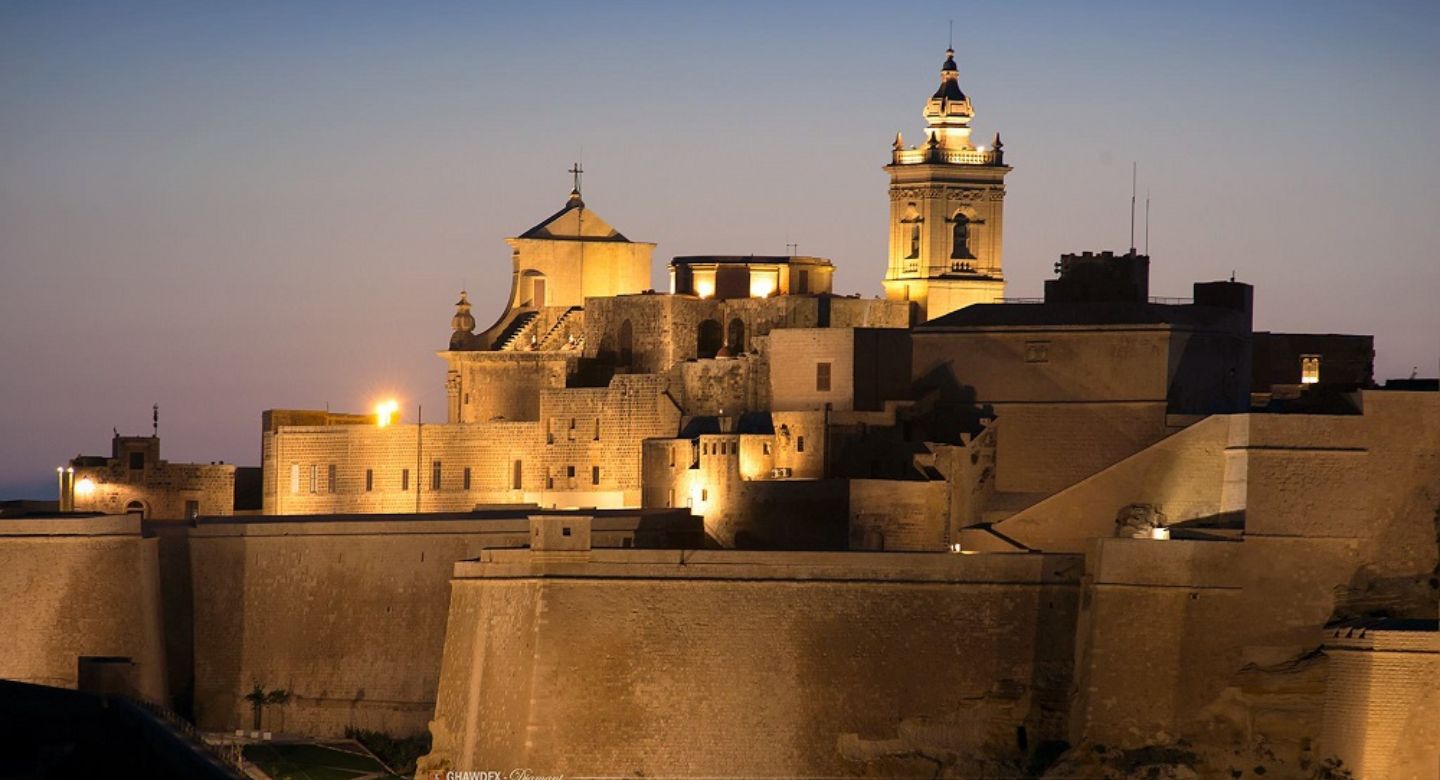
‘Rogue’ development application threatens Cittadella’s status – Architect is former PA board member

Two managers for every three administrative staff at the BCA

Nobody, not even Joseph Muscat is in a position to ever know how the jury reasoned to reach their verdict in the murder trial. The aquital does not mean that a culture of impunity did not exist when Daphne was murdered. What we know for sure is that following the panama papers scandal, Joseph Muscat defended Keith Schembri and Konrad Mizzi to the hilt and allowed the labour propaganda machine to attack Daphne relentlessly. Facts speak louder than Facebook posts..