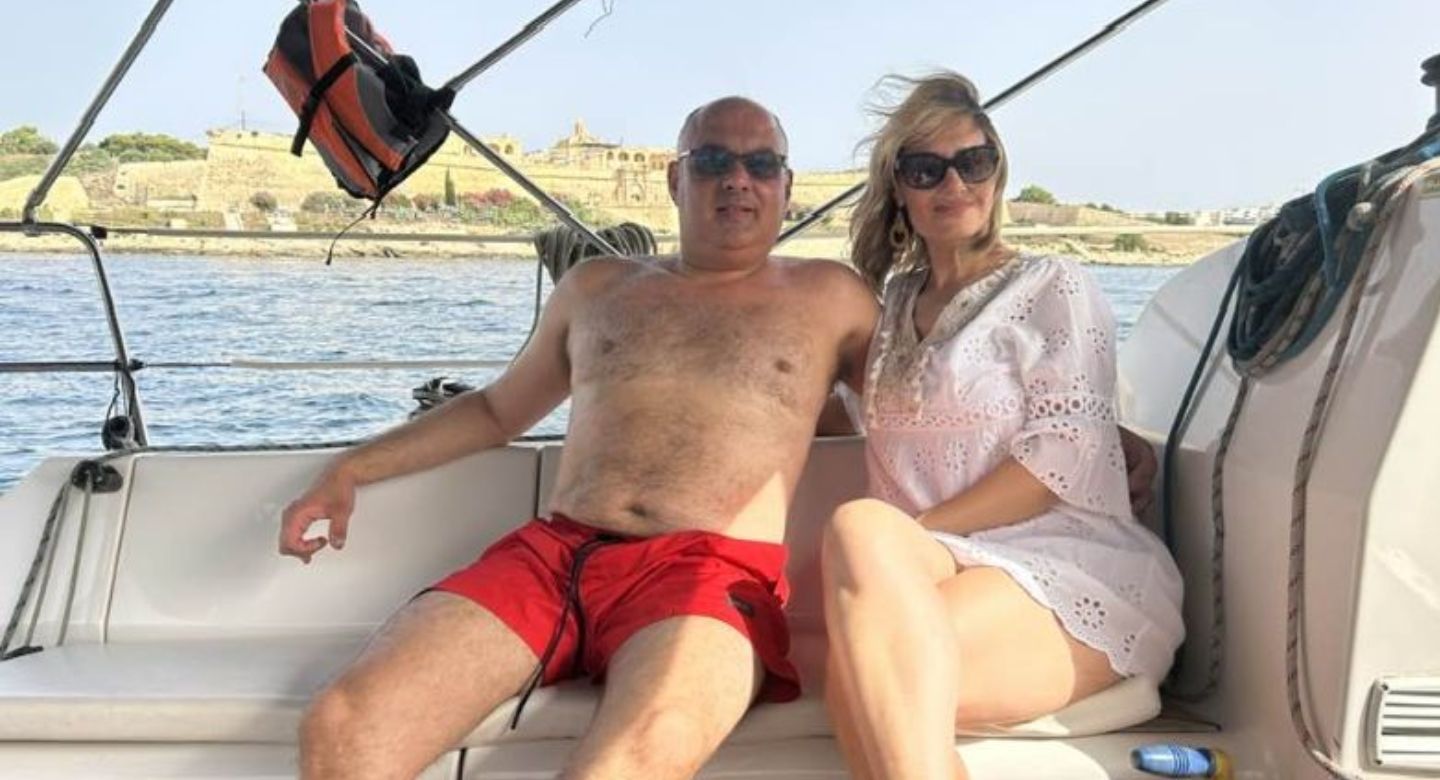
Yorgen Fenech’s fate is expected to pass into the hands of nine jurors this week as his trial over complicity in the assassination of journalist Daphne Caruana Galizia reaches its final stage.
After 52 days of testimony, cross-examinations and submissions, Madam Justice Edwina Grima has begun summing up the case today. Once the judge completes her address, the jury will retire to deliberate and decide whether the prosecution proved its case beyond reasonable doubt.
Fenech has pleaded not guilty to complicity in the October 2017 car-bomb murder and participation in a criminal association. The prosecution maintains that he commissioned the assassination and gave confessed middleman Melvin Theuma €150,000 to engage the killers.
Fenech denied ordering the murder. He told the jury that disgraced former prime minister Joseph Muscat’s chief of staff, Keith Schembri, was behind the plot and that he acted only as an intermediary between Schembri and Theuma.
Before the jurors retire, Judge Grima is delivering a detailed explanation of the law and summarise the evidence presented by both sides. She will remind them that Fenech is presumed innocent and can only be convicted if they are satisfied that the charges have been proved beyond reasonable doubt.
While the judge determines questions of law, it is the jury that decides the facts, assesses the credibility of witnesses and ultimately decides whether Fenech is guilty.
According to the criminal code, once the judge concludes her address, the nine jurors may withdraw to a private room to consider their verdict. From that point, they may communicate with the court only through the court registrar.
If they require clarification on the law, the evidence or the questions they must decide, they can ask the judge for further directions. Any explanation must be given in open court in the presence of the accused and the parties.
The deliberations are confidential.
Jurors must decide the case solely on the evidence admitted during the trial and the legal directions given by the judge.
Malta does not require a unanimous verdict.
At least six of the nine jurors must agree for a valid verdict to be reached, meaning Fenech can be convicted or acquitted by votes of 9–0, 8–1, 7–2 or 6–3.
The jury foreperson – prim gurat – collects the vote of every juror, noting how each person voted before adding their own vote. Although the vote is not anonymous among the jurors, the public is only informed of the final numerical result, not the identity of those voting each way.
A separate verdict must be returned on each charge.
The jury may find Fenech guilty or not guilty of the offence as charged or, where permitted by law and supported by the evidence, guilty of a lesser or included offence.
Once the jury has reached the required majority, the court is informed and everyone is recalled to the courtroom. The foreperson then reads the verdict aloud and states the number of votes supporting it.
If Fenech is acquitted on all charges, the judge must order his release unless he is being held for some other legal reason.
If he is convicted, sentencing remains the responsibility of Judge Grima, not the jury. The prosecution, defence and injured parties may make submissions on punishment before the judge delivers the sentence allowed by law for the offences established by the verdict.
Complicity in wilful homicide carries life imprisonment. However, Article 492 of the Criminal Code gives the judge discretion when the jury’s guilty verdict on a fact carrying life imprisonment is not unanimous.
In such a case, the court may impose a fixed prison term of at least 12 years instead of life imprisonment. This reduction is not automatic: a divided verdict merely gives the judge discretion to impose a lesser punishment.
An individual juror may also recommend mercy and state the reason for doing so. The judge may consider that recommendation but is not bound by it.
The verdict will end one of the longest and most consequential criminal trials in Malta’s recent history, almost nine years after Caruana Galizia was assassinated outside her Bidnija home.
The accused can appeal the judgement.
Sign up to our newsletter Stay in the know
"*" indicates required fields

Minister ordered to appoint Luke Dalli as PBS deputy chairman

Kurt Farrugia ‘forgot’ to publish direct orders

Malta increases its dependency on imported electricity as population surges

Turkish bank fails to lift €25 million security tied to Shoreline’s dispute
Tags
#trial
#Yorgen Fenech
Other News
Minister ordered to appoint Luke Dalli as PBS deputy chairman
Kurt Farrugia ‘forgot’ to publish direct orders
Malta increases its dependency on imported electricity as population surges
Turkish bank fails to lift €25 million security tied to Shoreline’s dispute
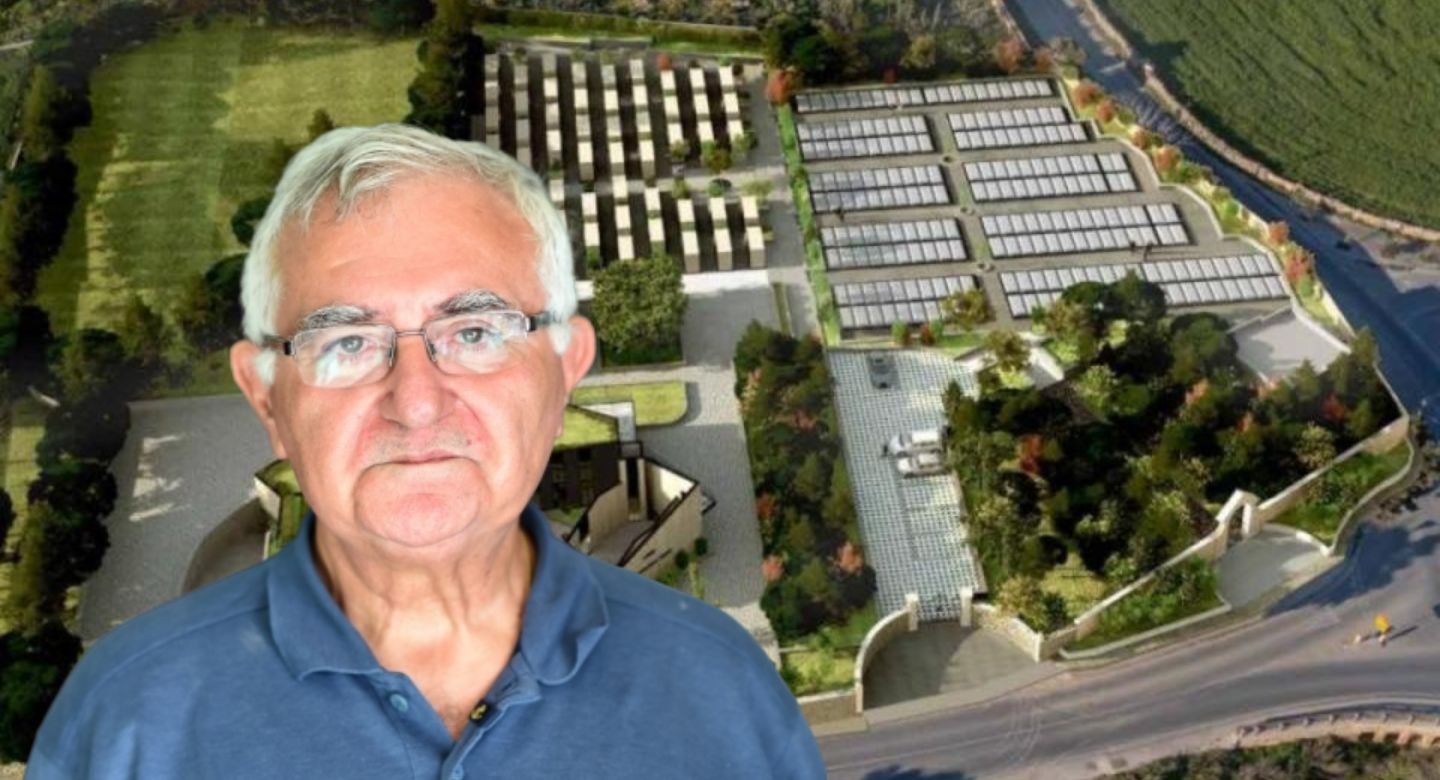
Controversial crematorium is in John Dalli’s ‘back garden’ – ERA missing in action

Doctors demand halt to health centre testing before further talks

Malta last in EU Parliament attendance rankings

One in four licensed short lets concentrated in St Paul’s Bay and Sliema

Bonnici hails progress at housing project caught in crisis that sank Galdes

Employers slam Clyde Caruana’s cheap talk

PA’s handling of rival crematorium applications raises a stink