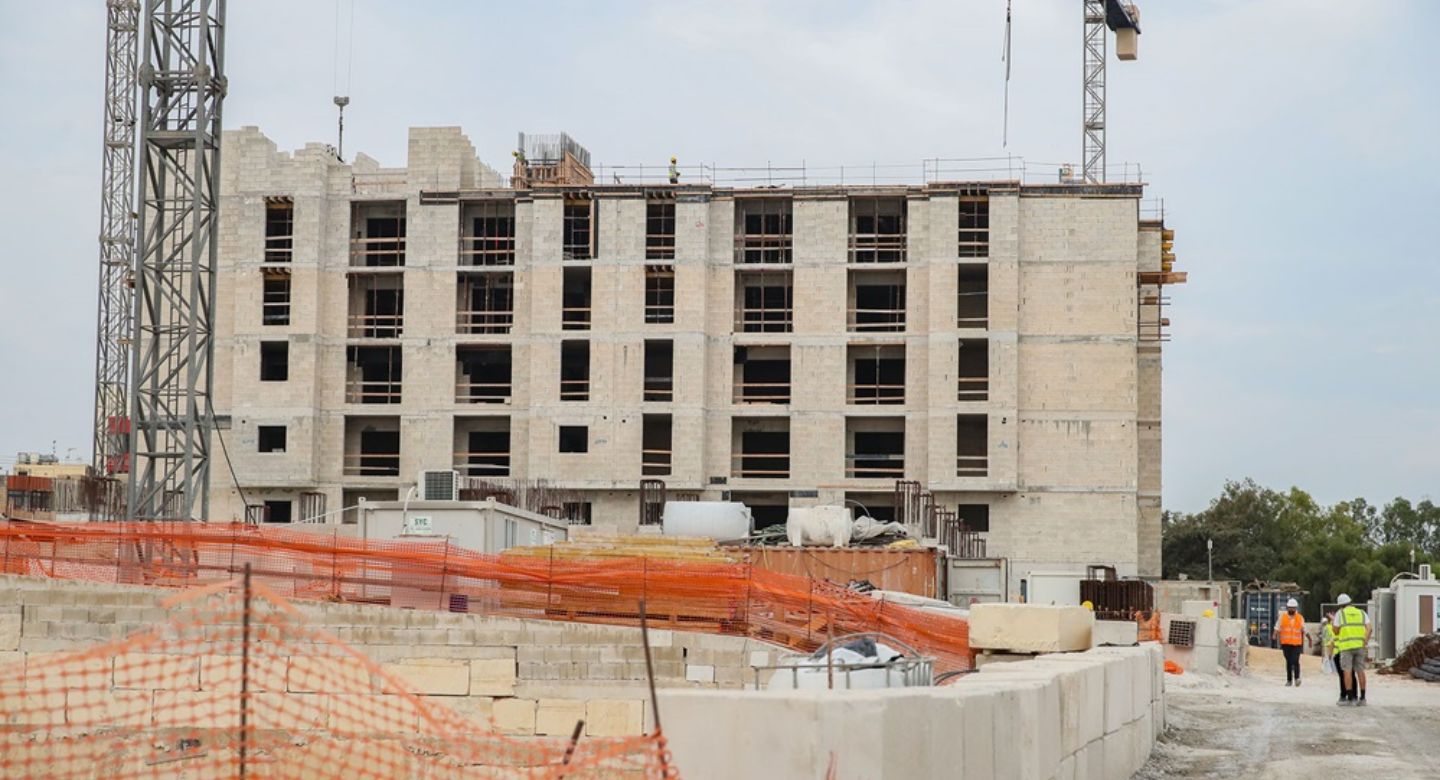

The crisis engulfing government-controlled affordable housing company Malita Investments plc deepened further after one of its remaining directors, David Mallia, tendered his resignation, adding to a year marked by boardroom turmoil, financial collapse and mounting governance concerns.
Mallia’s departure leaves even fewer directors in place following a succession of resignations and internal disputes that have plagued the company over the past year.
According to a company announcement, Mallia resigned for “personal reasons”. He represented minority shareholders rather than the government.
Meanwhile, Malita has postponed its annual general meeting (AGM) until the end of July, a move that has sparked criticism among shareholders and industry insiders, who view the decision as an attempt to minimise scrutiny of the company’s deteriorating financial position.
Traditionally, Malita has held its AGM shortly after publishing its annual financial statements. However, despite releasing its 2025 accounts at the end of April, the company has delayed the meeting by several months. Sources familiar with the situation described the postponement as a deliberate effort to discourage attendance by minority shareholders and investors by scheduling the meeting in the middle of the summer period.

The AGM is expected to be particularly contentious following another disastrous year for the company, which was once marketed as a stable investment vehicle offering consistent returns.
According to its latest financial statements, Malita recorded an operating loss of more than €2.5 million in 2025, a dramatic reversal from the profit of over €10 million reported a year earlier.
As a result, shareholders will receive no dividend for the second consecutive year.
Small investors, many of whom purchased shares on the promise of reliable annual income, have instead seen their investments undermined by what has been described as years of mismanagement, poor governance and political interference.
The financial deterioration has also exposed serious problems within the company’s flagship social housing programme.
Housing projects in Ħal Farruġ, Luqa, Kirkop and Bormla have remained stalled for months after funds ran out, despite repeated government promises that the developments would provide homes for vulnerable families.
In Bormla, prospective tenants had already been informed by former housing minister Roderick Galdes before the 2022 general elections that they would be allocated apartments. Four years later, the project remains unfinished.
Malita recently disclosed that it has obtained a sanction letter from Bank of Valletta and is close to securing a multi-million-euro loan. Sources said the financing is expected to require government guarantees, raising questions about potential state aid implications.
The company’s dependence on fresh borrowing has further highlighted the extent of its financial difficulties.
Former chairperson Marlene Mizzi publicly accused Galdes of interfering in the company’s operations and maintaining close relationships with contractors involved in the social housing projects. Despite the seriousness of those allegations, no comprehensive investigation was ever carried out.
Further controversy emerged when reports revealed that Galdes later purchased property from one of the contractors linked to the projects at below-market prices.
Sign up to our newsletter Stay in the know
"*" indicates required fields
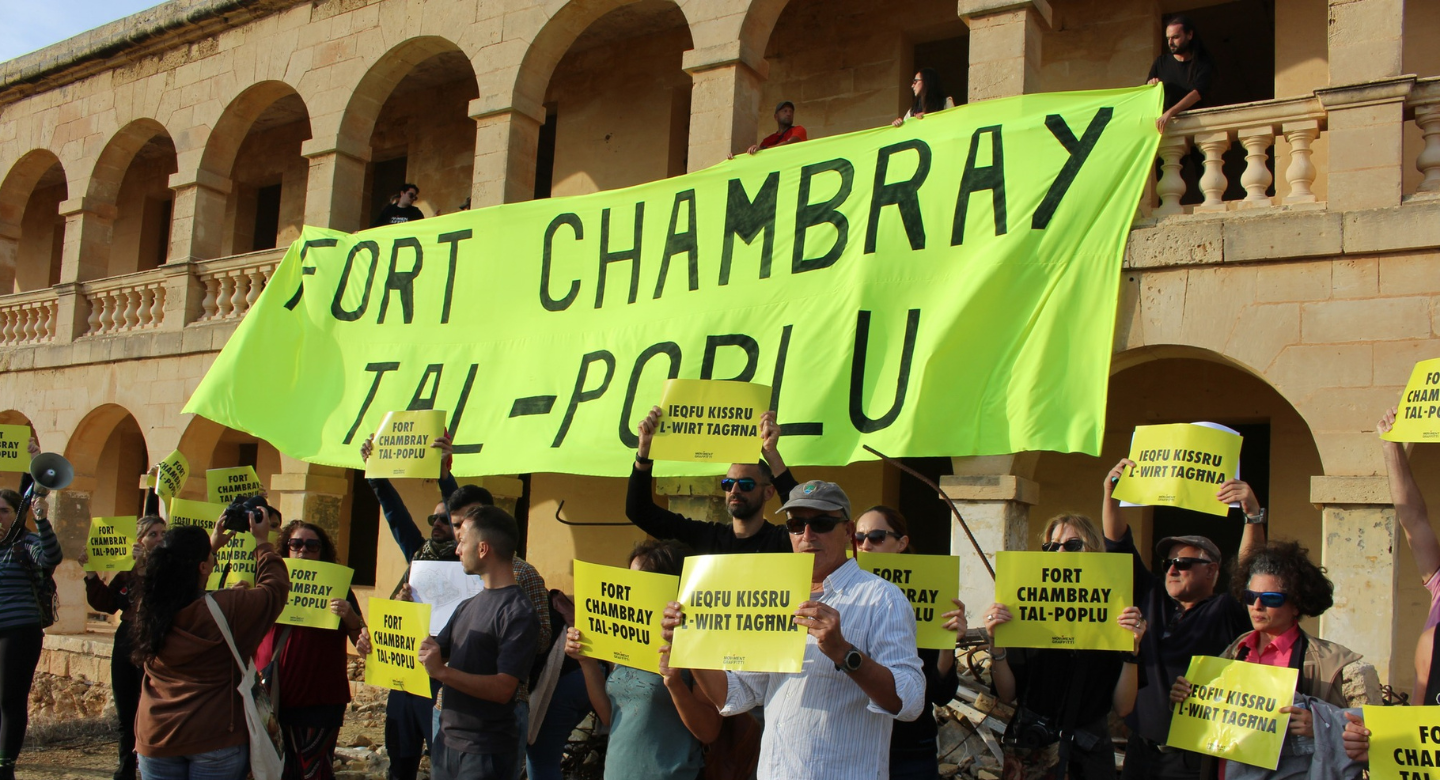
Government makes U-turn on Chambray, leaves protection and public access unclear


Dalli’s trusted aide leaves regulator after clash over interference

Dripping poison


Rare PL-PN unity as Siġġiewi vows to stop crematorium
Tags
#AGM
#Andy Ellul
#cash
#housing
#Malita
#Marlene Mizzi
Other News
Government makes U-turn on Chambray, leaves protection and public access unclear
Dalli’s trusted aide leaves regulator after clash over interference
Dripping poison
Rare PL-PN unity as Siġġiewi vows to stop crematorium

MeDirect rejects bond disclosure allegations, warns Vaswani of damages claim
Dalli finds the culprit of Wied Speranza: water in a valley
Pama directors’ bonuses rise 21% as operating profit falls

Clyde Caruana livid as Lydia crosses the line

Minister ordered to appoint Luke Dalli as PBS deputy chairman

Kurt Farrugia ‘forgot’ to publish direct orders

Malta increases its dependency on imported electricity as population surges

No company ever promises dividends. It is up to shareholders to look at the financials, and seek advice if they don’t understand, not expect the government to use taxpayer money to make up for their carelessness
When people like myself bought shares, Malita’s investment almost guaranteed a dividend as this was based on secure income coming from its portfolio. It was the misadventures of later Directors who undermined the financial stability of the company
The bank of Valletta has repeatedly functioned as the go to piggy bank to salvage and keep afloat failed government projects; but then try to obtain from it a loan to purchase for yourself a modest residence! You will be barraged with demands for all sorts of guarantees, pledges and hypothecs.